Advice Line with Jonathan Neman of Sweetgreen
Jonathan Neman joins Guy Raz on the Advice Line to help three early-stage founders navigate growth, scaling, and product decisions. First, Dini from Maryland wrestles with keeping her pies' soul intact as demand grows. Next, Matt in Massachusetts balances ambition against the risk of expanding too fast with his mushroom farm. Finally, Joey in Chicago debates whether to add menu items or stay laser-focused on wings and fries. Plus, Neman shares how Sweetgreen is automating salad assembly with its Infinite Kitchen while trying to preserve the human touch that made it a $3 billion brand.
Listen on Spotify
Episode Recap
Intro
Jonathan Neman joins Guy Raz on the Advice Line to help three early-stage founders navigate growth, scaling, and product decisions. Sweetgreen's co-founder shares lessons from building a $3 billion restaurant chain while trying to preserve the human touch, then fields questions from callers wrestling with their own expansion dilemmas.
Caller 1: Dini McCullough Amozurrutia & Dini's Divine Pies
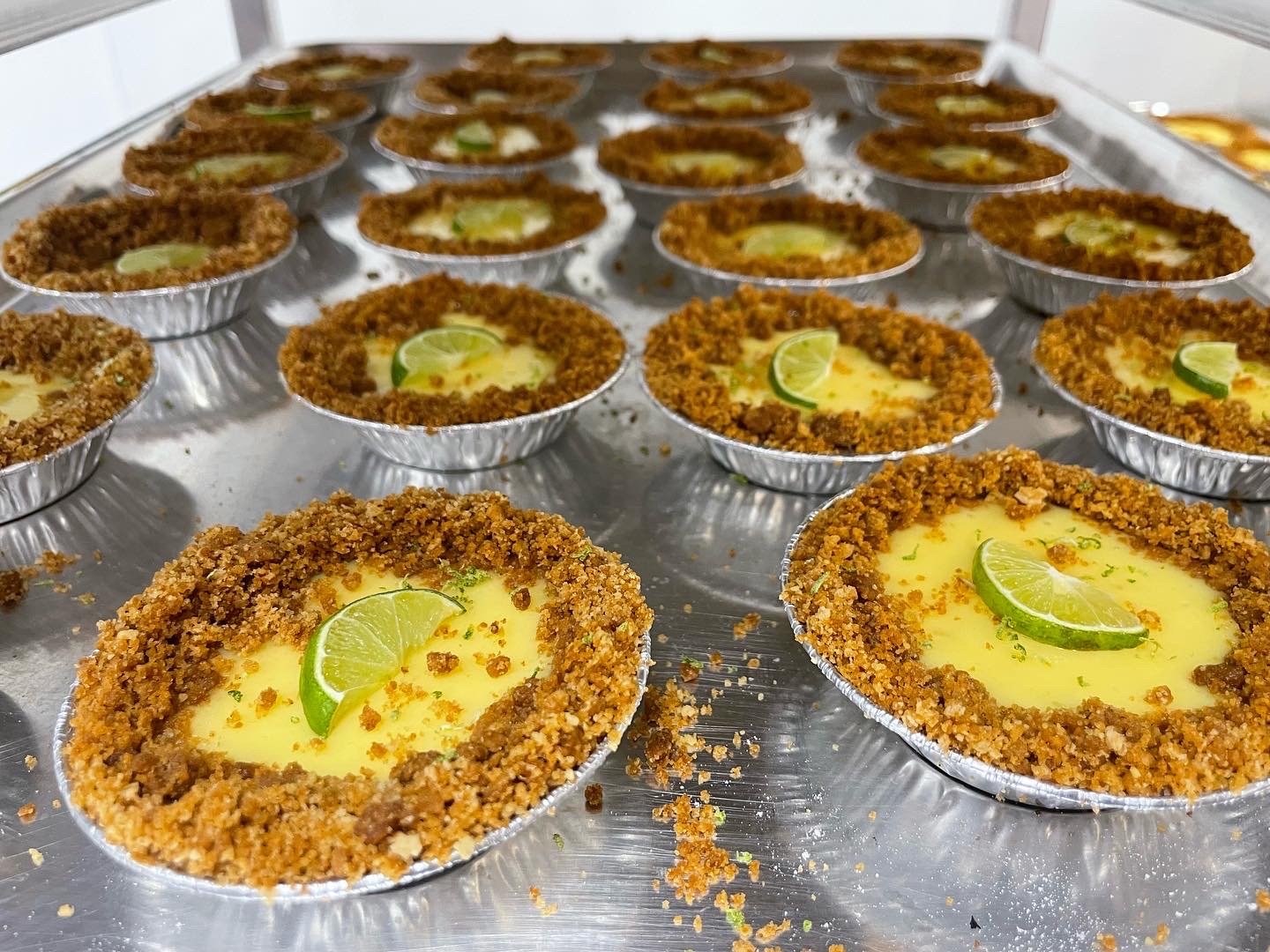
Dini McCullough Amozurrutia launched Dini's Divine Pies from her home in Maryland during the pandemic, turning a lime pie for a yoga instructor into a thriving small-batch bakery. Three years later she is fielding interest from a major national chain and wondering whether to stay small or embrace scale. Neman's advice is pointed: bigger is not always better. He reminds her that Sweetgreen could have remained a small, high-margin business owned entirely by its founders, but the founders chose to build for mass market. He challenges her to ask what will actually make her happy—whether that is a regional presence or a reputation as the best pie in the country.
Caller 2: Matt Pinstein & Underground Mushroom Co.
Matt Pinstein runs Underground Mushroom Co. out of a converted lobster-pound basement in Gloucester, selling out everything he grows. Neman praises his focus on quality and refusal to chase volume at the expense of his brand. He suggests building the farmer-as-personality story through TikTok and chef partnerships, and urges Pinstein to treat scaling as a series of deliberate choices rather than an automatic next step.
Caller 3: Joey Cornell & Dak Dak Korean Wings
Joey Cornell built Dak Dak Korean Wings on a DoorDash savings fund and a small SBA loan. He now debates whether to add menu items or stay focused on wings and fries. Neman counsels patience, pointing out that Wingstop added chicken sandwiches only after supply-chain economics made it necessary. He urges Cornell to test limited-time offerings and let direct customer conversations drive every new-item decision.
Final Thought
Neman also previews Sweetgreen's Infinite Kitchen, an automated assembly line that can build 500 bowls an hour while reducing store-level labor by 30 to 50 percent. The machine represents the tension at the heart of every growing business: using technology to improve consistency without killing the soul of the experience. By the end, the message is clear—scale changes everything, but only if you let it.
Key Takeaways
- 1Scale decisions: Choose growth paths that align with personal happiness rather than assuming bigger is always better.
- 2Automation with soul: Sweetgreen's Infinite Kitchen reduces labor by up to 50 percent while preserving human-facing hospitality roles.
- 3Core product focus: Stay famous for one thing until supply-chain or customer demand gives you a clear reason to expand.
- 4Founder as brand: Build authenticity into the story by showing the process and connecting directly with customers and chefs.
- 5Menu experiments: Test limited-time offerings and listen to guest feedback before fully integrating new menu items.
Founders Featured
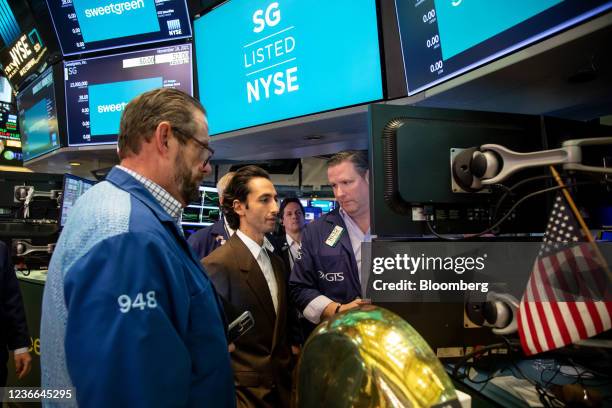
Jonathan Neman
Jonathan Neman is Co-Founder & CEO of Sweetgreen, the mission-driven healthy food brand he launched in 2007. Born in Los Angeles, he graduated from Georgetown University. He was a guest on the How I Built This podcast to share how he built the multi-billion dollar salad chain.
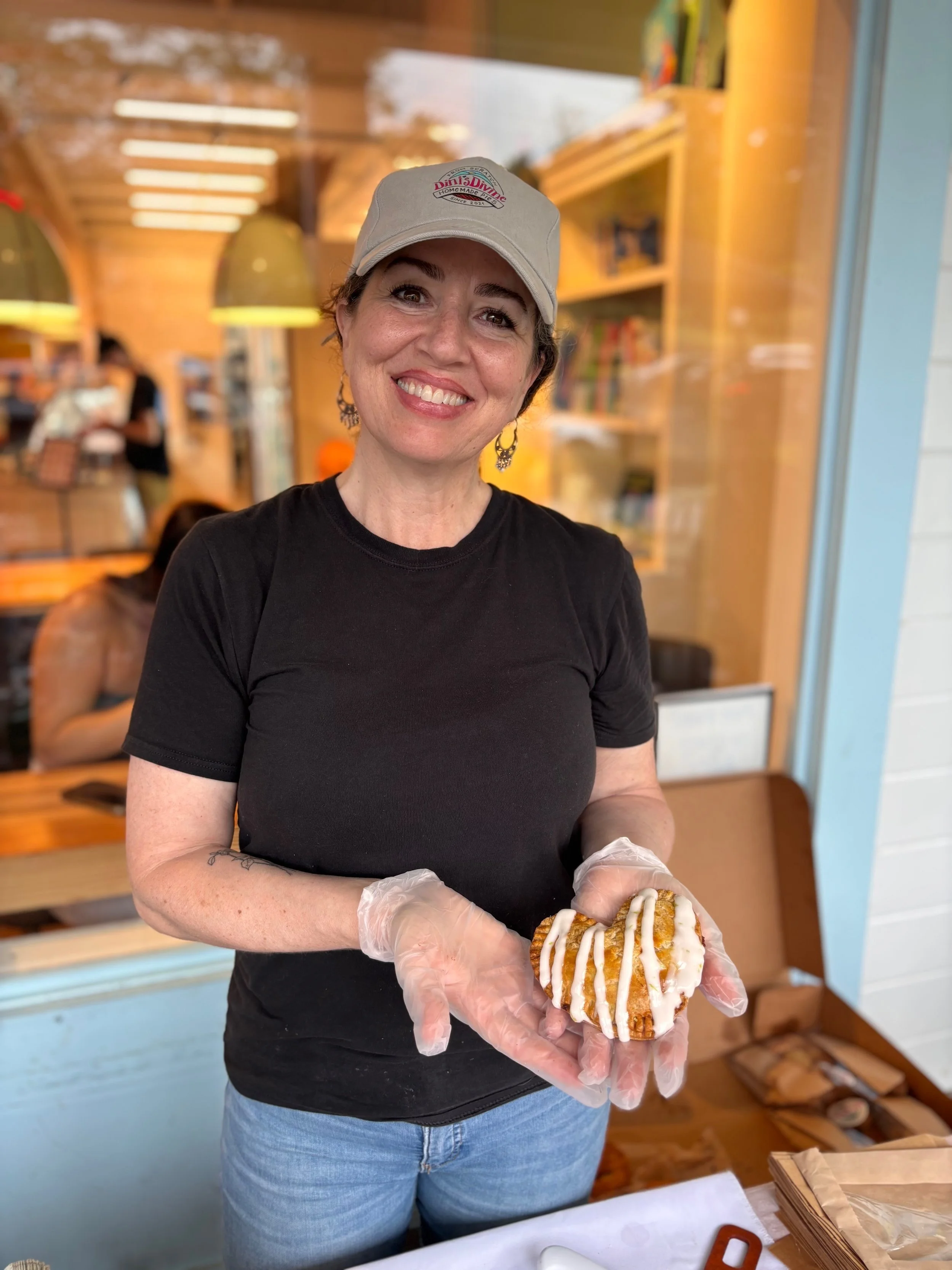
Dini McCullough Amozurrutia
Former lawyer Dini McCullough Amozurrutia founded small-batch, all-butter crust Dini's Divine Pies during the pandemic. The DC metro operation has pulled $200K in sales over two years via farmers markets, pop-ups, and wholesale. She guested on How I Built This and is fundraising for her next phase.
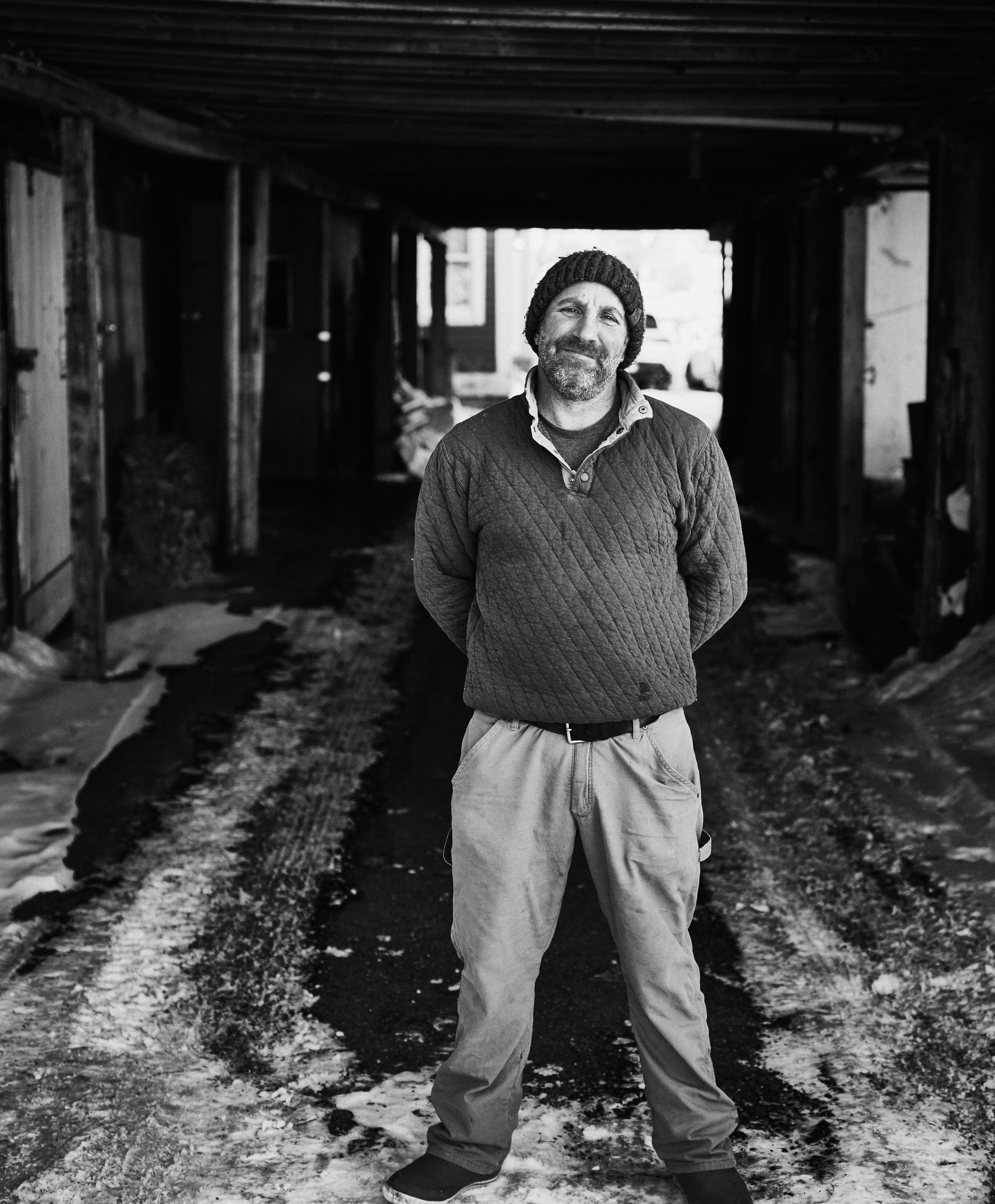
Matt Pinstein
Matt Pinstein founded Underground Mushroom Co. A pandemic passion project. He has 20 years of experience in agriculture and local food production. Pinstein is a guest on the How I Built This podcast.
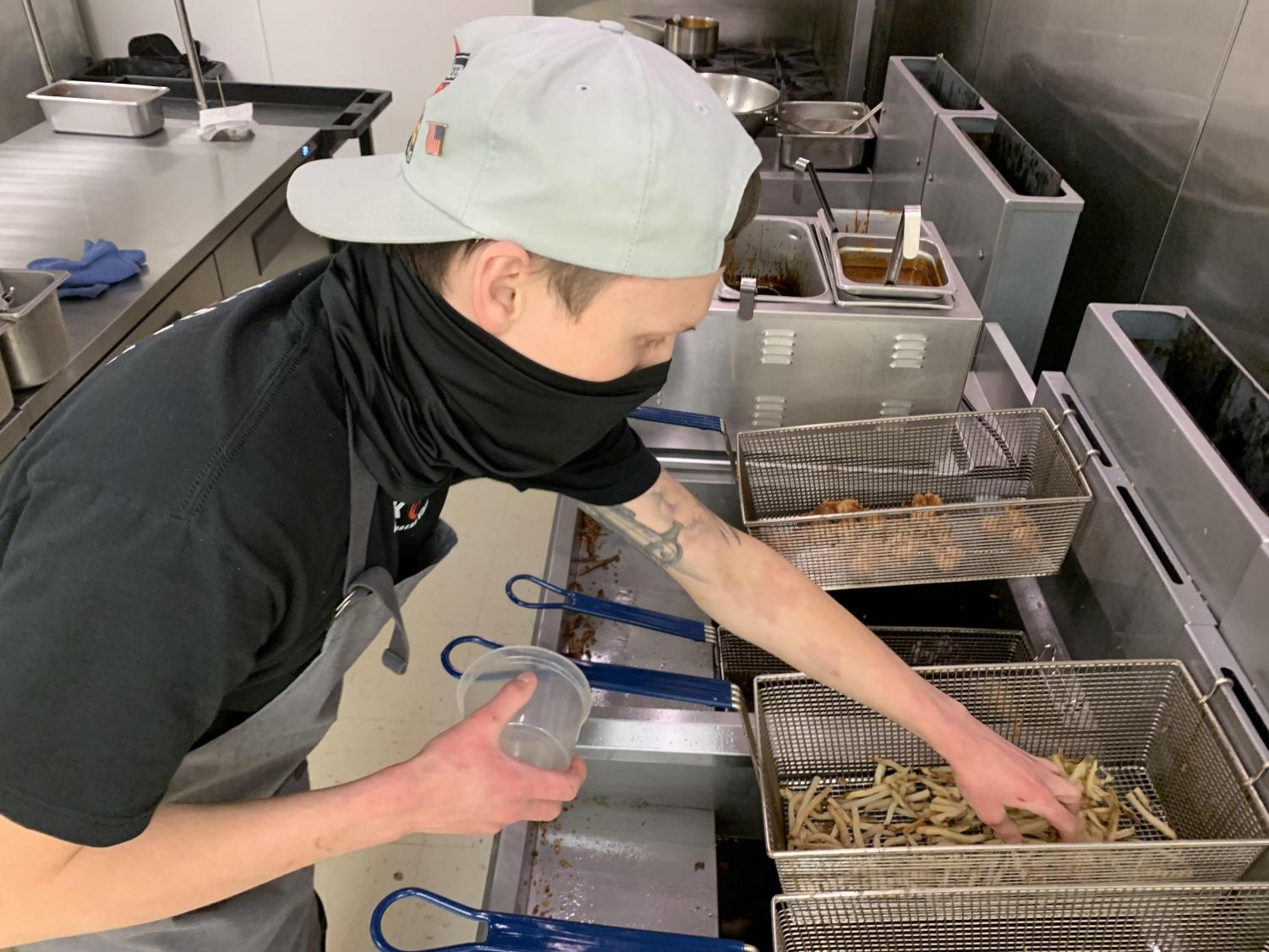
Joey Cornell
Joey Cornell founded Dak Dak Wings. The Villa Park, IL fast-casual spot, featured on the How I Built This podcast, specializes in double-fried Korean wings. An Elmhurst native, Johnson & Wales grad, and CPA, he developed the concept after his time in York’s La Brigade restaurant program.
Related Companies
Sweetgreen
Sweetgreen is an American fast-casual restaurant chain serving salads and grain bowls. Founded in 2007 by Jonathan Neman, Nathaniel Ru, and Nicolas Jammet, the brand has grown into a multi-billion dollar public company with over 140 locations across 13 states.
1 episode
Dini's Divine Pies
Dini's Divine Pies is a small-batch Maryland bakery founded by Dini McCullough Amozurrutia in March 2022. Specializing in all-butter crust pies and empanadas, the DC metro operation has generated $200K in sales over two years via farmers markets, pop-ups, and wholesale.
1 episode
Underground Mushroom Co.
Underground Mushroom Co. is a Gloucester, Massachusetts-based mushroom farm founded by Matt Pinstein during the COVID-19 pandemic. The farm specializes in premium mushrooms and offers workshops on indoor mushroom growing.
1 episode

Dak Dak Wings
Dak Dak Korean Wings is a fast-casual wing restaurant in Villa Park, Illinois, founded by Joey Cornell. The shop specializes in double-fried Korean-style chicken wings with house-made sauces.
1 episode