Advice Line with Perry Chen of Kickstarter
Guy Raz and Kickstarter co-founder Perry Chen tackle the toughest growth questions from three early-stage founders. Jesse Hodge wonders whether to sell or scale his $5 million cold plunge company. Katherine Kervis seeks a path to national grocery distribution for her hot sauce brand without sacrificing ownership. Joe Fontana maps out how to finance 75 Fry the Coop locations without diluting his equity. Perry cuts through the noise with actionable frameworks for knowing when to hold on and when to let go.
Listen on Spotify
Episode Recap
Intro
Guy Raz welcomes back Kickstarter co-founder Perry Chen for a rapid-fire Advice Line session where three founders get real talk on scaling, selling, and knowing when to pivot. Each caller brings a distinct stage dilemma: Jesse Hodge has built ModTab into a profitable $5 million cold plunge manufacturer but wonders whether to cash out or push harder. Katherine Kervis and her husband have spent nine years growing Hitch hot sauce from farmer's markets into regional chains yet feel stuck at the ceiling. Joe Fontana is already at $12.9 million in sales with Fry the Coop but faces a capital problem that no bank loan seems to solve.
Caller 1: Jesse Hodge & ModTab
Jesse Hodge bootstrapped ModTab from a garage hot tub refurbishment side gig into a Tennessee-made cold plunge operation. He turned down a credible acquisition offer last year and now feels the weight of imposter syndrome, wondering whether he's the right person to scale a health and wellness brand. Perry reframes the question away from whether Jesse is the "face" of the category and toward what Jesse actually wants. The advice lands somewhere between accepting that the itch to start something new is legitimate and exploring whether a professional CEO or partial sale could free him to build again.
Caller 2: Katherine Kervis & Hitch
Katherine Kervis and her husband have spent nearly a decade turning their Costa Rica hot sauce experiment into a $157,000 regional brand distributed across Northwest grocery chains. Their constraint is clear: they want to scale nationally and eventually sell, but they've burned out on weekend farmer's markets and lack the budget for brokerage teams and in-store demos. Perry's guidance is direct—demo the product aggressively, set a time-boxed sprint toward an acquisition target, and stop treating every dollar like it must be preserved forever.
Caller 3: Joe Fontana & Fry the Coop
Joe Fontana is already operating 10 Fry the Coop locations with $12.9 million in revenue and audacious plans for 75 stores across Chicagoland. His problem isn't demand; it's capital structure. Bank loans feel hostile, and he doesn't want to hand over control to investors who might dilute his vision. Perry walks him through five realistic paths—franchising, sale-leasebacks, minority equity with preferred returns, operational leverage, and pure patience—and argues the best choice is whichever structure Joe can actually live with day to day.
Final Thought
The through-line across all three calls is that financial engineering only works when it aligns with the founder's psychology. Perry doesn't offer a universal playbook; he offers a mirror. Each caller leaves with a clearer sense of whether their hesitation is fear masquerading as strategy or genuine signal that the next chapter requires a different structure.
Key Takeaways
- 1Align capital with your psychology: The right funding structure is the one that fits how you actually want to live, not just the highest valuation.
- 2Demo your way into scale: In crowded consumer categories, sampling is the only reliable way to break into national retail without a massive marketing budget.
- 3Set emotional exit criteria: Time-box your growth sprint so you know when to pivot from forever to enough.
- 4Imposter syndrome is data, not a verdict: Feeling like an outsider in your own category can be honest signal that you're ready for a new challenge.
- 5Professional CEOs unlock optionality: Bringing in operating talent doesn't mean losing control; it can mean buying back your time to build what's next.
Founders Featured
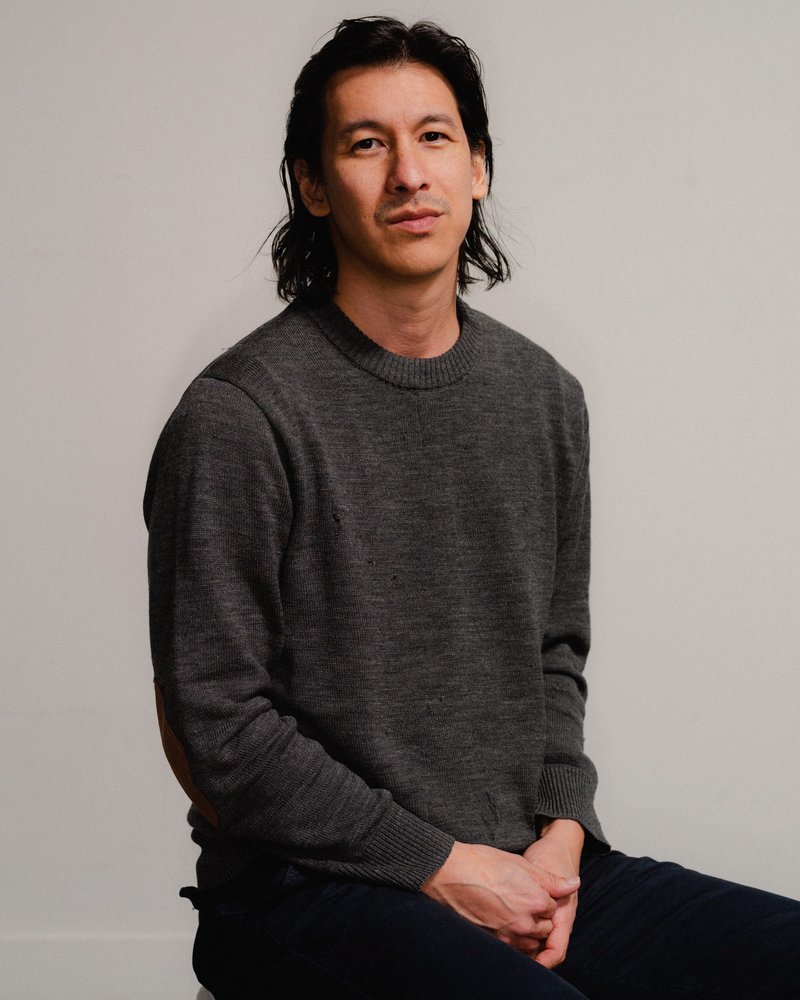
Perry Chen
Perry Chen is an artist. He is co-founder and Chairman of Kickstarter. He stepped down as CEO in October 2013. A guest on the How I Built This podcast, he uses technology to democratize creative work, and stresses community as the core of any successful Kickstarter campaign.

Jesse Hodge
Jesse Hodge is the founder of ModTab, a cold plunge and recovery brand. He appeared as a caller on the NPR How I Built This Advice Line episode seeking guidance from Perry Chen of Kickstarter on growing his business.
Katherine Kervis
Katherine Kervis is the founder of Hitch, a hot sauce brand. She appeared as a caller on the NPR How I Built This Advice Line episode to seek advice from Perry Chen of Kickstarter on building and growing her food brand.
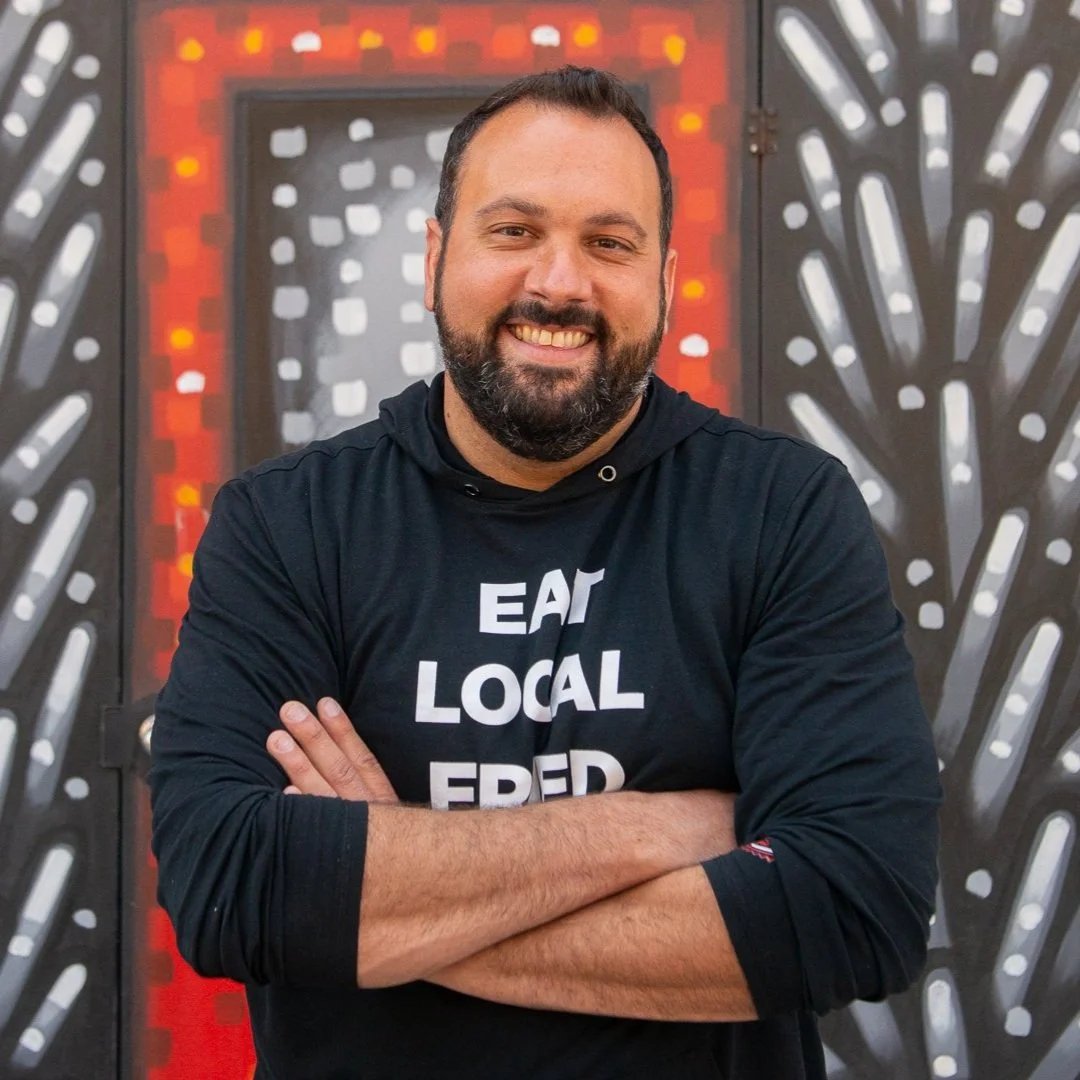
Joe Fontana
Joe Fontana is the founder and owner of Fry the Coop, a Chicago-based fast-casual restaurant chain specializing in Nashville hot chicken. He grew the concept from a single location into one of the Midwest's fastest-expanding chicken brands, known for bold flavor and strong community appeal.
Related Companies

Kickstarter
Kickstarter is a crowdfunding platform for creative projects, enabling artists, musicians, filmmakers, and inventors to raise funds directly from their communities.
1 episode
ModTab
ModTab is a cold plunge and recovery brand founded by Jesse Hodge. The company offers cold therapy products aimed at wellness enthusiasts and athletes seeking recovery and performance benefits.
1 episode
Hitch
Hot sauce brand founded by Katherine Kervis. Website unavailable.
1 episode
Fry the Coop
Fry the Coop is a Chicago-based fast-casual restaurant chain serving Nashville hot chicken. Founded by Joe Fontana, the brand is known for crispy chicken sandwiches, tenders, chicken & waffles, and bold flavor.
1 episode