Calm: Alex Tew and Michael Acton Smith
Guy Raz sits down with Calm co-founders Alex Tew and Michael Acton Smith to unpack how two British internet entrepreneurs bet on meditation when investors thought it was a terrible business idea. From the Million Dollar Homepage to Firebox and Moshi Monsters, both founders had already built viral hits before launching Calm in 2012. Despite more than 100 investor rejections, they persisted, eventually turning the app into a nearly $2 billion wellness empire with Sleep Stories and celebrity narrators.
Listen on Spotify
Episode Recap
The Calm founders share how their previous internet successes created both an advantage and a blind spot. Alex Tew had already earned a million dollars at age 21 with The Million Dollar Homepage, and Michael Acton Smith had built Firebox.com and the children's entertainment empire Moshi Monsters. That track record meant investors took meetings, but few believed meditation could ever match the returns of viral internet stunts. "People thought we were crazy," Tew says. The repeated rejections forced the pair to self-fund early development and bootstrap the business for years.
From Rejection to $2 Billion Valuation
Calm's breakthrough came not from another viral trick but from a deep, boring product decision: audio content designed specifically to help people sleep. In 2016, Tew and Acton Smith launched Sleep Stories, gentle bedtime tales read by soothing narrators. The feature solved a universal problem better than any meditation timer had before, and user growth exploded. By 2017, Calm was generating $22 million in revenue with a $75 million run rate. Apple named it App of the Year, and by 2022 the company was valued at nearly $2 billion with more than 4 million paying subscribers. The valuation did not come from changing human nature, the founders argue. It came from treating digital wellness like a consumer product, not a lifestyle side project.
Why They Stepped Down as Co-CEOs
Despite the success, Tew and Acton Smith made a surprising move in 2022: they both transitioned from co-CEOs to co-executive chairmen and brought in David Koh as CEO. The decision, they explain, was rooted in self-awareness rather than burnout. "We knew we were not the right people to run a company at scale," Acton Smith says. Their strengths lay in product vision and early culture, not in the operational complexity of a global health platform. The transition allowed them to return to the creative work they enjoyed while handing off day-to-day leadership to an experienced operator. The episode closes with both founders still heavily involved in product and brand, but no longer carrying the weight of the P&L.
Key Takeaways
- 1Founders should exit operations before they burn out: Tew and Acton Smith brought in a CEO when they recognized their strengths lay in product vision, not scale management.
- 2Product-market fit often hides inside boring problems: Sleep Stories solved sleep, not meditation, and that distinction made Calm a $2 billion company.
- 3Track record can mask real risk: Previous viral successes made investors listen, but the same founders were still dismissed when they tried to sell wellness software.
- 4Bootstrapping is a feature, not a failure mode: Calm's early self-funding forced ruthless prioritization that later investors praised.
Founders Featured

Alex Tew
British entrepreneur and co-founder and CEO of Calm. At 21, he created The Million Dollar Homepage, earning over $1 million in five months. He later co-founded Calm in 2012.
1 episode
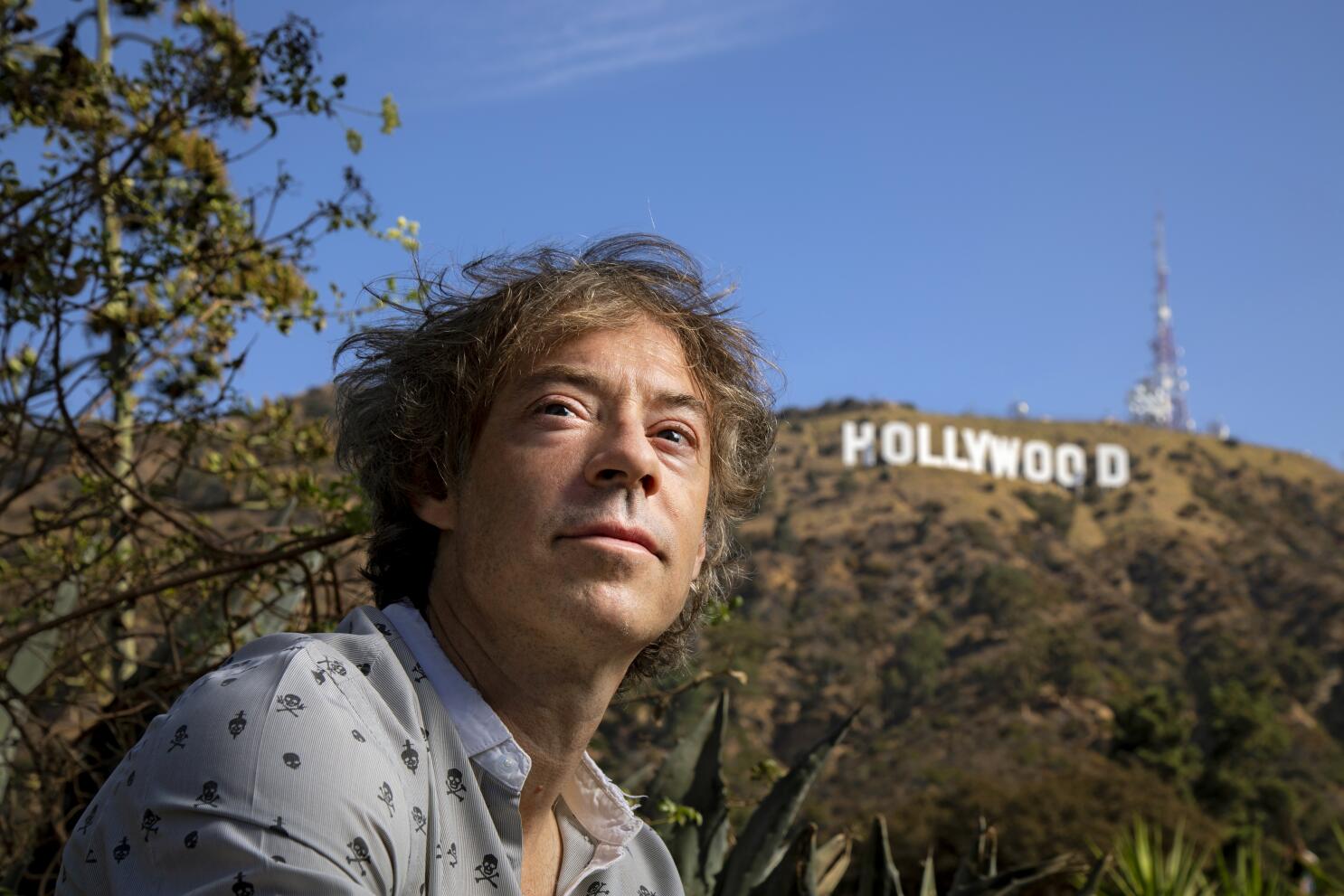
Michael Acton Smith
British entrepreneur and co-founder and co-CEO of Calm. He previously founded Firebox.com and created Mind Candy, the children's entertainment company behind Moshi Monsters.
1 episode