Crumbl: Jason McGowan
Jason McGowan and Sawyer Hemsley built Crumbl from a single Logan, Utah storefront into a 1,000-location cookie empire using A/B testing, a tech-driven delivery app, and an early bet on TikTok. The cousins share how they optimized the recipe through blind taste tests, turned pink boxes into a brand signature, and grew faster than most franchise models in history.
Listen on Spotify
Episode Recap
Jason McGowan and Sawyer Hemsley built Crumbl from a single Logan, Utah storefront into a 1,000-location cookie empire. The cousins share how they A/B tested their way to the right chocolate chip recipe, turned pink boxes into a brand signature, and grew faster than most franchise models in history.
A Tech Mindset Applied to Cookies
McGowan was working at Ancestry.com in 2017 when Hemsley, then a Utah State University student, suggested starting a cookie company. Neither had any baking experience, but McGowan saw it as a technology problem. He built a custom delivery app, managed driver routes by hand on a physical map, and tested recipes the same way he'd optimized user experiences in social apps — A/B testing everything from chocolate type to butter ratios.
They opened in a soon-to-be-demolished building in Logan for $900 a month. One flavor only: chocolate chip. When commercial ovens forced them to redevelop the recipe from scratch, they ran blind taste tests with customers and crowdsourced the answer on Twitter polls.
The Pink Box and the Weekly Flavor Drop
While McGowan engineered the back end, Hemsley made the brand decisions that would define Crumbl. The pink packaging was inspired by a family friend's 1959 Cadillac — an odd choice that set them apart. The weekly rotating menu, which drops every Sunday night, was borrowed from streetwear culture and designed to generate FOMO. Some flavors were polarizing on purpose: everything bagel cookies, cornbread cookies, blue icy raspberry. They didn't just want to sell cookies — they wanted to start conversations.
Crumbl didn't take outside capital. The franchise model, where franchisees funded their own locations, meant they didn't need it. By 2022, the company hit $1 billion in annual sales, entirely self-funded.
TikTok Before Most Food Brands Knew the Platform Existed
Crumbl went heavy on TikTok in 2018, before most food brands had a social media strategy. They championed customer review videos, reposted them in-store, and even posted their own negative reviews to prove they weren't afraid of honest feedback. The result: more TikTok followers than Starbucks, Domino's, and Taco Bell combined.
The Cookie Wars and What Comes Next
Rapid growth attracted copycats. Crumbl sued Crave Cookies and Dirty Dough over trade secret theft and brand imitation, settling with Dirty Dough and dropping the Crave case by mutual agreement.
By 2024, Crumbl had 1,071 locations and roughly $1.2 billion in annual revenue. But a 37% year-over-year sales drop led to a rebrand, a 10% corporate layoff, and the departure of the Chief Operating Officer. In early 2025, Crumbl explored a $2 billion sale before accepting a minority stake from TSG Consumer Partners and $500 million in loans from Blackstone and Golub Capital.
In May 2025, just months after this recording, McGowan and Hemsley announced they were stepping back from day-to-day operations to find a permanent CEO. The cookie company they built in a $900-a-month building now has a $2 billion valuation — and the two founders who started it with nothing but A/B testing and pink boxes are ready to hand over the keys.
Key Takeaways
- 1A/B test before you launch: Jason McGowan crowdsourced the chocolate chip recipe through public taste tests and Twitter polls before Crumbl opened. Validate the core product publicly before you commit to a full rollout.
- 2Design decisions compound: Sawyer Hemsley's pink packaging and Sunday-night flavor drops were small, specific choices that created a distinctive brand identity. Each one paid dividends across marketing, social media, and store design.
- 3Franchise capital lets you scale without dilution: Crumbl hit $1 billion in sales without outside investors because franchisees funded their own locations. Growth is faster when the people building the stores have skin in the game.
- 4Be on platforms before your category is: Crumbl invested in TikTok before most food brands knew the platform existed. First-mover advantage on emerging channels is worth more than any ad budget.
- 5Hard decisions reveal your values: Saying no to Sunday operations cost Crumbl locations — but it protected the brand's identity and the team's relationship with franchisees. Growth at any cost is rarely the right growth rate.
Founders Featured
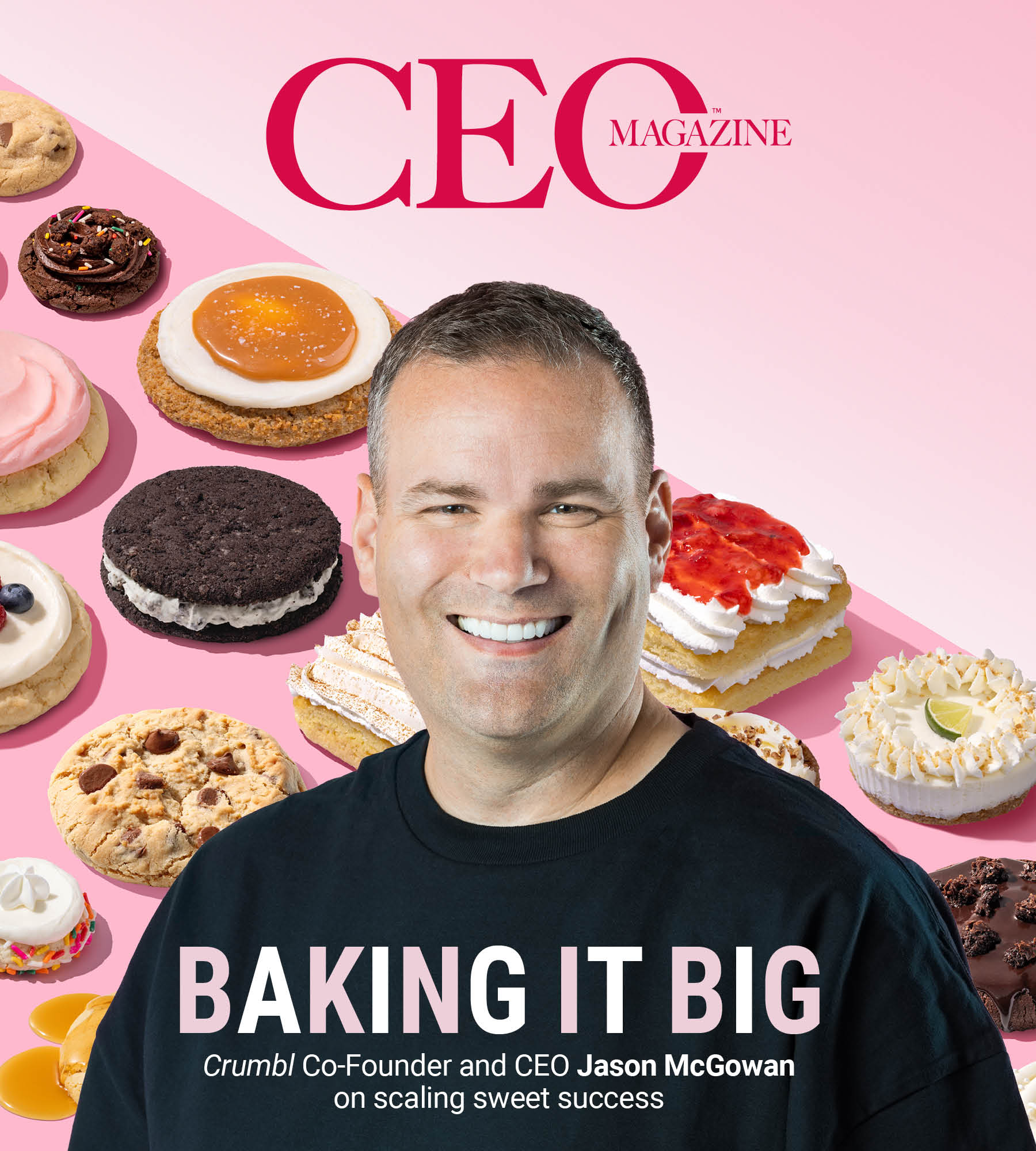
Jason McGowan
Jason McGowan is the co-founder and CEO of Crumbl, the Utah-based cookie chain that launched in Logan in 2017 and grew to over 1,000 locations in eight years. A self-taught technologist from Alberta, he worked on FamilyLink and Ancestry before applying A/B testing to the cookie recipe.
1 episode
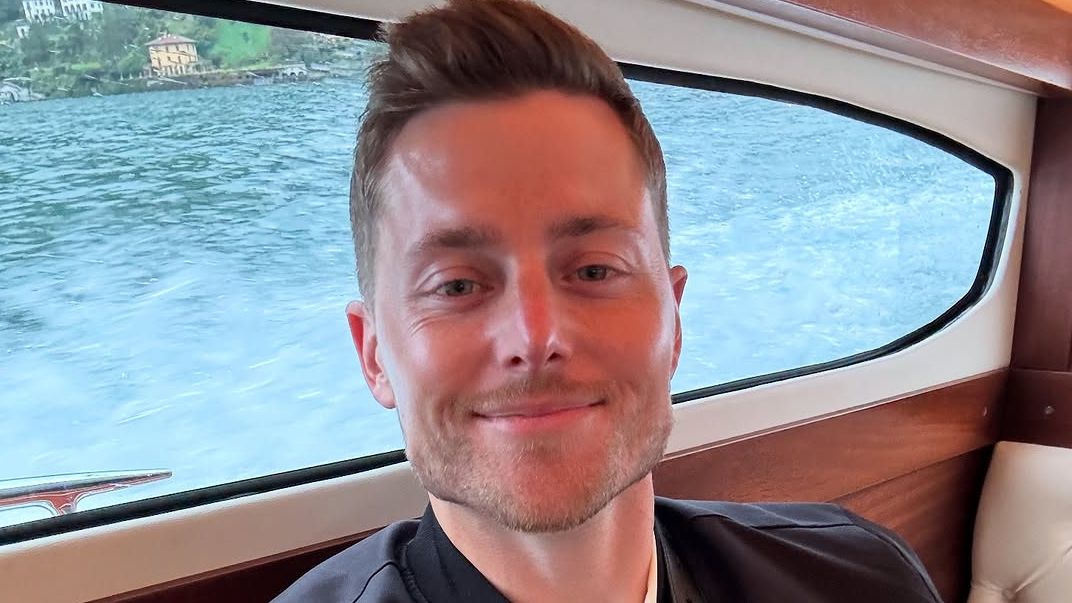
Sawyer Hemsley
Sawyer Hemsley is the co-founder and Chief Brand Officer of Crumbl, the Utah cookie chain that launched in Logan in 2017. A Communication Studies and Marketing graduate from Utah State University, he led the brand's creative vision and weekly rotating flavor program.
1 episode