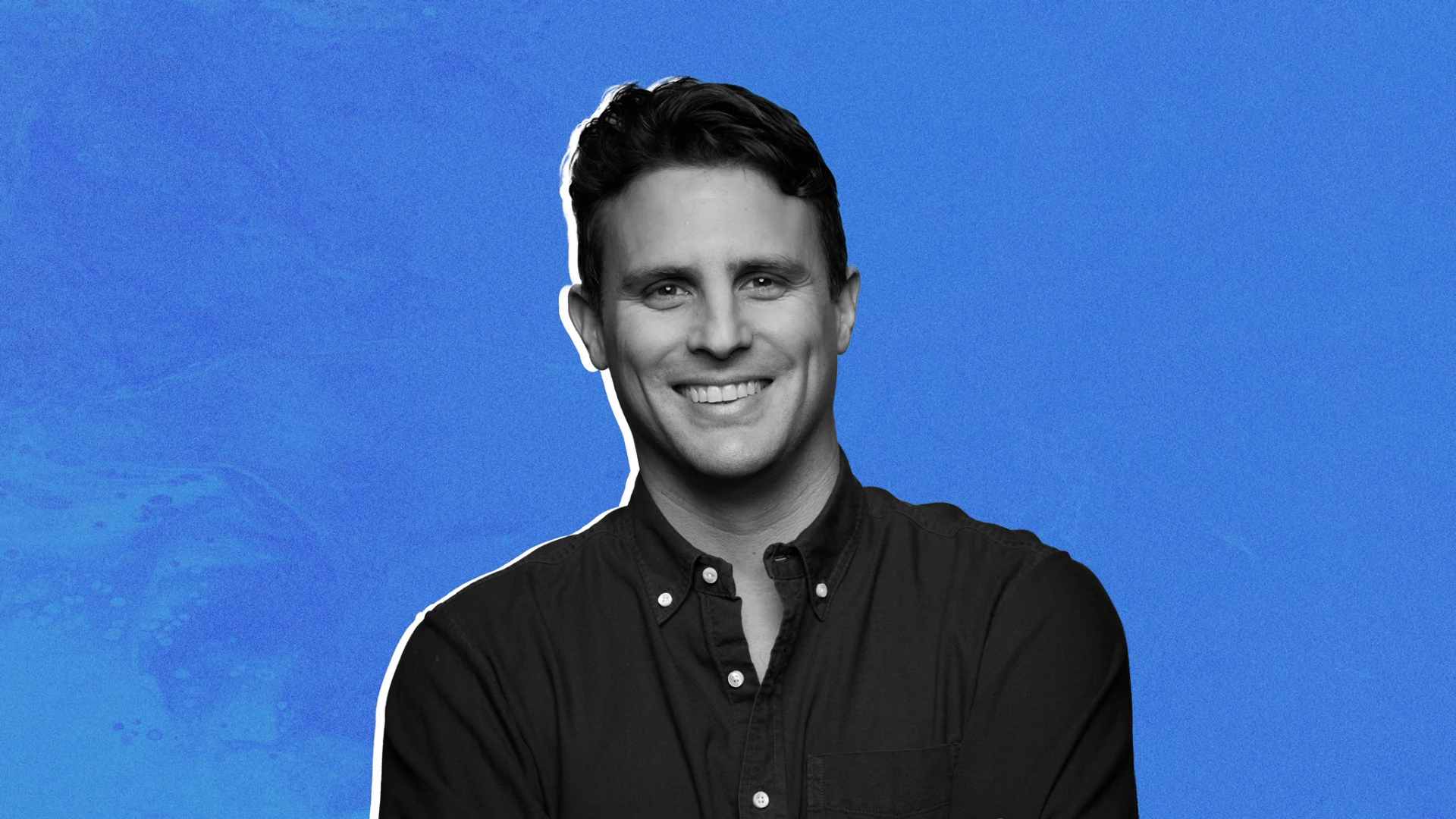
Dollar Shave Club: Michael Dubin, From Zero to a Billion Dollar Exit in Five Years (December 2018)
Michael Dubin turned a warehouse of unwanted razors into a billion-dollar brand with a single viral video. The Dollar Shave Club founder combined eight years of marketing experience with improv comedy skills to create one of the most successful guerrilla marketing campaigns in modern history. His story reveals how humor, authenticity, and relentless focus on solving a simple customer frustration can disrupt even the most entrenched markets.
Listen on Spotify
Episode Recap
Michael Dubin's journey from a warehouse in Rancho Cucamonga to a billion-dollar exit in five years reads like a masterclass in guerrilla marketing. The former improv comedian and video marketer didn't just sell razors—he sold a story that resonated with millions who were tired of overpaying for the shaving experience.
The Power of a Stupid Simple Idea
Dubin's breakthrough came at a holiday party when a family friend mentioned 250,000 razors sitting in a warehouse. He didn't see inventory—he saw validation. Years of frustration buying overpriced razors from locked glass cases had already identified the problem. The name "Dollar Shave Club" came within days, deliberately plain and functional. No clever wordplay, no aspirational branding—just a clear promise. This simplicity became their superpower, making the value proposition instantly understandable to anyone who'd ever stood in line at Duane Reade waiting for a store clerk to unlock the razor fortress.
The Viral Video That Changed Everything
The March 6th, 2012 video launch was perfectly timed for maximum media impact. Dubin chose the date deliberately—right before South by Southwest when tech reporters were hungry for a story, but the noise hadn't reached peak frenzy. The video itself was pure improv energy: Dubin walking through a warehouse, deadpanning about blades being "fucking great" while a toddler shaved a grown man's head. The $1 razor price point shocked viewers. But the real magic was the tone—self-aware, genuinely funny, and completely unlike any corporate ad people had seen. When the site crashed within hours, Dubin realized they'd tapped into something enormous.
Fulfillment Chaos and Validation Through Customer Trust
Early fulfillment was pure scrappy startup chaos. Label printers jammed, orders piled up, and a third-party warehouse that normally handled windshield washer fluid and vodka bottles became their distribution center. Dubin and his team threw bags of printed labels over the fence at night, hoping no one would steal them. Yet customers waited patiently. The transparency about delays built trust rather than eroding it. When the first real order came in from Imran Charnania in Houston—not a friend or family member—that stranger validation became the fuel to keep going. People weren't just buying razors; they were joining a movement against being ripped off.
Scaling Against the Giants
Competition arrived fast. Harry's entered the space. Gillette launched subscription services. And then came the patent infringement lawsuit—a classic big-company playbook to drain resources and scare off investors. Dubin had anticipated this. The lawsuit, while serious, became a badge of honor, proof they were winning. Raising money never got easier, even with explosive growth. Smart investors asked the right questions: How do you defend against Gillette's infinite marketing budget? Dubin's answer was brand loyalty built on authenticity, not just price. By 2015, Dollar Shave Club commanded most of the online razor subscription market. The billion-dollar Unilever acquisition in 2016 validated the model, but Dubin knew the real work was just beginning.
The episode closes with Dubin's hard-won wisdom: crisis is never as bad as you imagine, and luck favors those who put in the work to recognize it. His story proves that in business, sometimes the best strategy is to stop taking yourself so seriously and start solving problems with a smile.
Key Takeaways
- 1Solve real frustrations, not hypothetical ones: Michael Dubin built Dollar Shave Club from genuine irritation with locked drugstore razor displays, not from a business school hypothesis.
- 2Humor disarms and differentiates: The viral video worked because it was self-deprecating and funny, not because it listed product features or proclaimed superiority.
- 3Transparency builds stronger loyalty: When orders flooded in and the site crashed, being honest about delays made customers root for the underdog instead of abandoning it.
- 4Competition validates your idea: Gillette's lawsuit and copycat subscriptions weren't threats—they were proof Dollar Shave Club had disrupted an entrenched monopoly.
- 5Timing is a silent cofounder: Launching the video right before South by Southwest captured tech media attention in a quieter news window, amplifying reach without paid promotion.