La Colombe Coffee Roasters: Todd Carmichael and J. P. Iberti. A Brotherhood Built on Coffee (2020)
Todd Carmichael and Jean-Philippe Iberti built La Colombe Coffee Roasters from a single Philadelphia location into a nationwide cult favorite by refusing to compromise on quality. Their story reveals how a friendship grounded in craft coffee, direct trade ethics, and deliberate scaling created a brand that loyalists genuinely love—not just another coffee chain.
Listen on Spotify
Episode Recap
Todd Carmichael and Jean-Philippe Iberti didn't set out to build a coffee empire. They started with a simple mission: roast exceptional coffee and treat everyone in the supply chain with dignity. What unfolded was a masterclass in organic growth driven by uncompromising quality and a partnership that feels more like a brotherhood than a business arrangement.
Start with Obsessive Quality, Not Ambition
La Colombe's earliest days were defined not by grand visions of expansion but by an almost maniacal focus on the roast itself. Carmichael and Iberti spent countless hours perfecting profiles, cupping batches, and rejecting anything short of extraordinary. This obsession created a product so distinct that word spread organically—first through local Philadelphia cafes, then via a dedicated following who would seek out their coffee wherever it appeared. They didn't chase growth; they let the coffee demand it.
Direct Trade as a Competitive Advantage
While most specialty roasters talk about sourcing, La Colombe built its identity on direct trade long before it became a trend. Carmichael and Iberti visited farms, built relationships with growers, and paid premiums that ensured both quality and ethical standards. This wasn't marketed as a virtue—it was baked into their operations. The result? Consistent access to the finest beans and a supply chain so transparent it became a barrier to entry for competitors. Customers may not have known the term "direct trade," but they could taste the difference.
Scale Without Selling Out
When expansion opportunities arrived—whether through distribution deals or potential investors—the duo consistently chose paths that protected their craft. They opened brick-and-mortar cafes only when they could staff them with trained baristas who shared their standards. They developed canned cold brew (now a signature product) as a way to bring their quality to a broader audience without diluting the experience. Each growth phase was measured, deliberate, and always secondary to maintaining the integrity of the coffee itself.
The Brotherhood Behind the Brand
Perhaps the most compelling thread through La Colombe's story is the relationship between its founders. Carmichael and Iberti challenge the common founder trope of conflict and compromise. Their disagreements exist—they're vocal about them—but the mutual respect and shared values create a stability that permeates the company culture. Employees speak of the "La Colombe family" not as corporate rhetoric but as lived reality. This authenticity is rare, and it's why the brand resonates so deeply with both customers and team members.
Lessons for Founders Who Want to Build Something That Lasts
La Colombe's trajectory offers a counterpoint to the "grow at all costs" mentality that dominates startup culture. Carmichael and Iberti demonstrate that building a beloved brand doesn't require venture capital, viral marketing, or sacrificing quality for scale. It requires clarity about what matters, patience to let quality create demand, and partners who share a vision so completely that disagreements become refinement rather than fracture. In a world of quick flips and artificial hype, La Colombe stands as proof that lasting businesses are still built the old-fashioned way: by making something exceptional and letting it speak for itself.
Final thought
The brothers behind La Colombe built more than a coffee company—they crafted a model for how purpose-driven businesses can scale without losing their soul.
Key Takeaways
- 1Build a brand around obsessive quality, not marketing hype: La Colombe grew through word-of-mouth because the coffee was consistently exceptional; customers became evangelists without a single ad campaign.
- 2Direct trade is a moat, not a marketing line: Investing in farmer relationships secured the best beans and created supply chain advantages competitors couldn't replicate.
- 3Scale on your own terms or not at all: Every expansion decision protected the core product, from cafe staffing to cold brew packaging, proving growth and quality aren't mutually exclusive.
- 4Partnerships outlast strategies: Carmichael and Iberti's brotherhood created a stable foundation that weathered disagreements and market shifts; find co-founders who share values, not just vision.
- 5Let the product demand growth, don't force it: La Colombe expanded organically as demand outpaced supply; a slower path that preserved brand integrity and prevented overextension.
Founders Featured

Todd Carmichael
Todd Carmichael co-founded La Colombe Coffee Roasters, a Philadelphia specialty coffee pioneer. He built the company with J.P. Iberti from a third-floor walk-up into a third-wave leader. Carmichael also hosts the Travel Channel's Dangerous Grounds and now leads Loftiwater.
Jean-Philippe Iberti
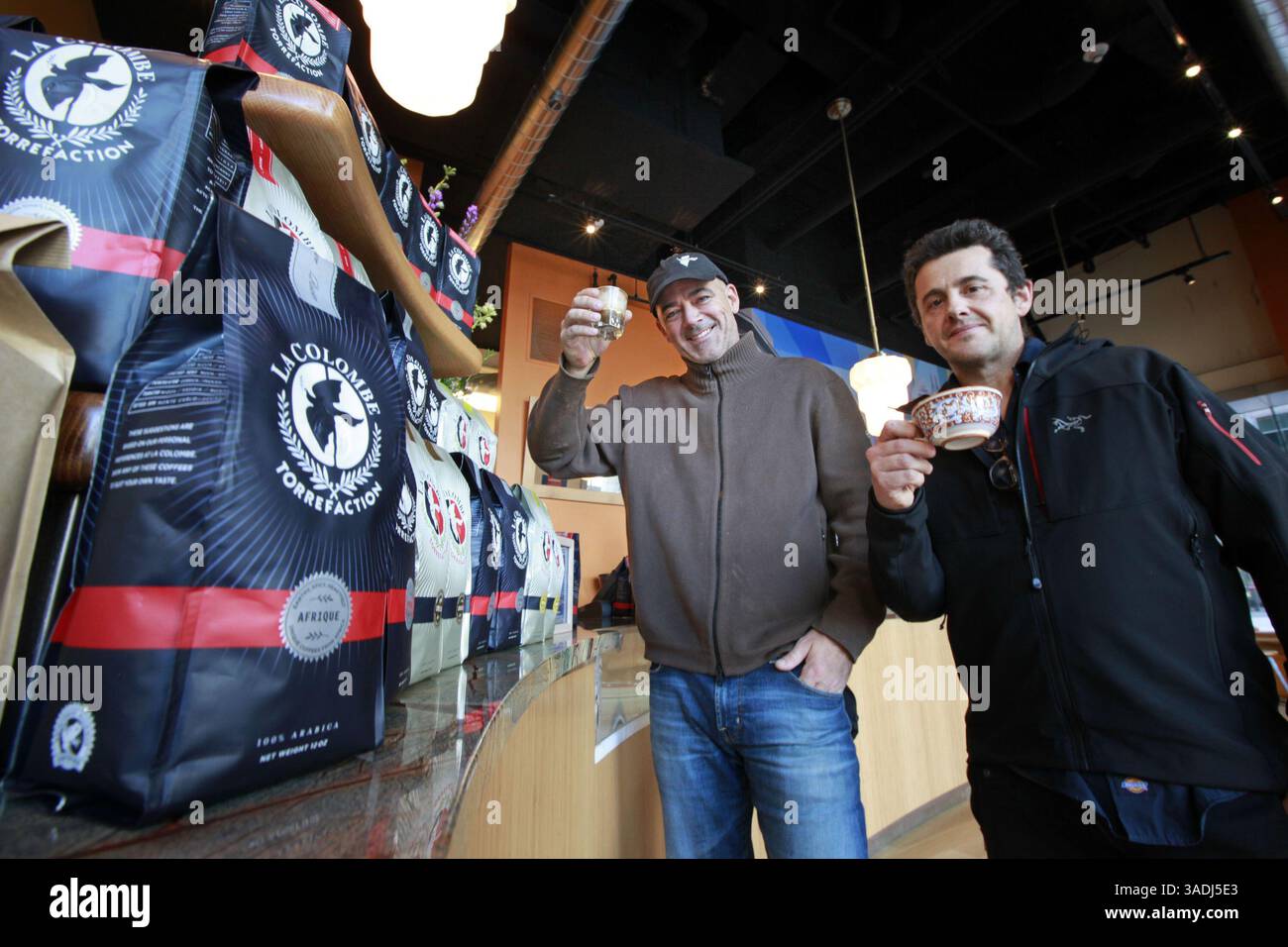
Jean-Philippe Iberti co-founded La Colombe Coffee Roasters with Todd Carmichael in 1994. They met in Seattle in the mid-1980s and started roasting coffee in a third-floor walk-up on 21st and Spruce in Philadelphia. La Colombe helped define America's third wave of specialty coffee.