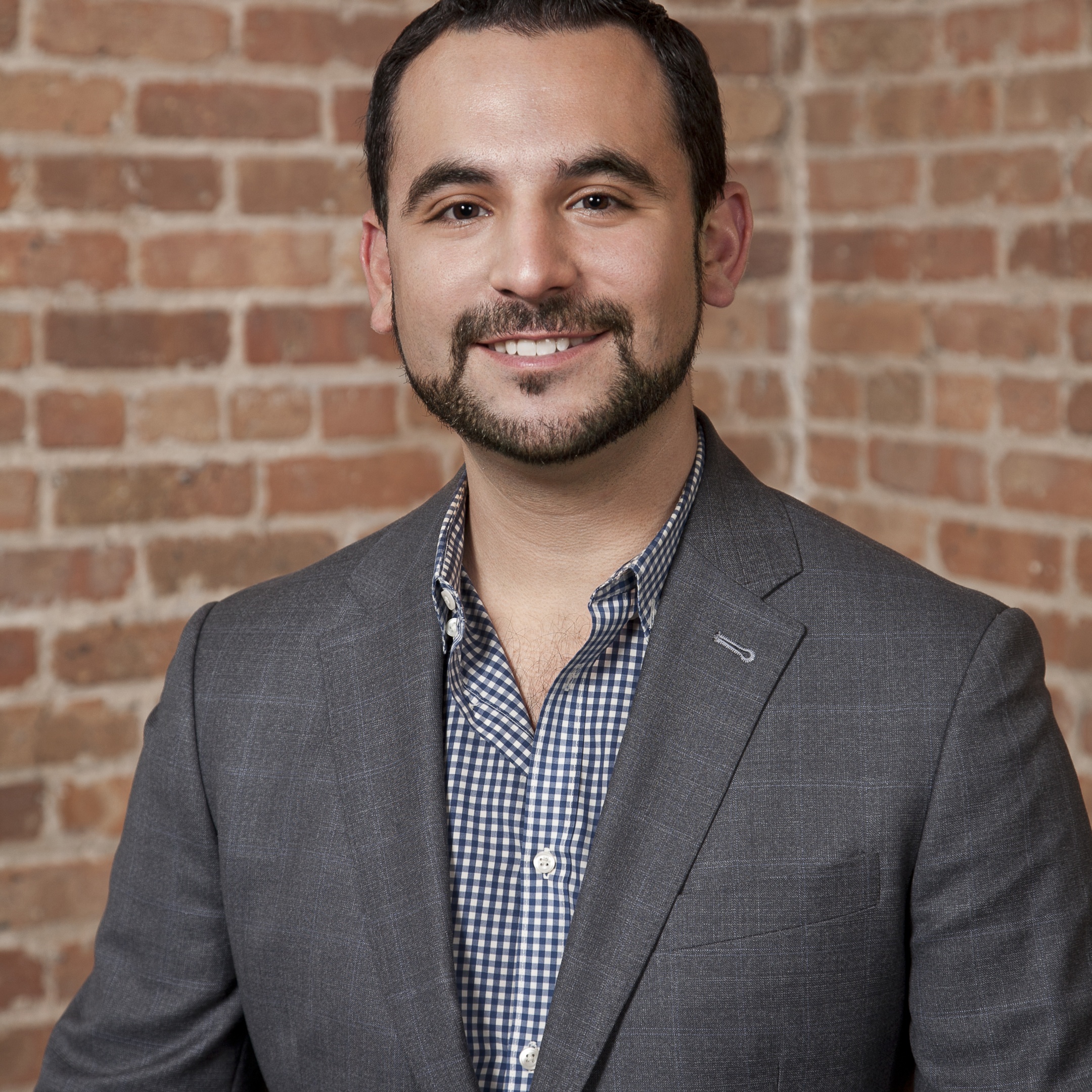
SpotHero: Mark Lawrence
Guy Raz sits down with Mark Lawrence to unpack how thousands of dollars in parking tickets and a failed bike trip across Africa led to the creation of SpotHero. From a single driveway rental near Wrigley Field to a platform that has parked 50 million cars across North America, Lawrence shares how resisting investor pressure to blitzscale and focusing on slow, steady growth allowed SpotHero to outlast better-funded rivals and become the dominant digital parking platform.
Listen on Spotify
Episode Recap
From Fines to Founders
Mark Lawrence did not set out to build a parking empire. He set out to stop getting parking tickets. After Bank of America laid him off in 2010, he and his roommate Jeremy Smith racked up about $5,000 in fines on the streets of Chicago. The chaotic rules--shifting street cleaning schedules, surprise snow bans, tickets issued minutes apart for the same infraction--convinced them that parking was a broken market worth fixing.
The Airbnb of Parking
Their first experiment was a driveway rental near Wrigley Field, listed on Craigslist for $20 self-park or $40 valet. The idea proved demand existed, but the unit economics were punishing. So they shifted to partnering with garages and lots, building an app that sold excess inventory. That pivot turned SpotHero from a neighborhood hustle into a scalable platform with real revenue and real software.
Competing with Half a Billion Dollars
As rivals like Lux, Zirx, and Parking Panda raised tens of millions and raced into dozens of cities, investors urged Lawrence to do the same. He refused. Parking, he argued, was an old-school industry built on relationships and cash, not blitzscaling. While competitors burned capital on customer acquisition and subsidized rides, SpotHero stayed in Chicago, then slowly added D.C. and Boston. That restraint let the company outlast better-funded competitors who eventually folded.
COVID and Comeback
By early 2020, SpotHero had grown into a major platform. Then the pandemic arrived, and bookings fell 98 percent by April. Lawrence laid off nearly 70 percent of staff and stopped every nonessential payment. Rather than close, the company tightened its focus. As offices reopened and people avoided public transit, driving and parking surged. SpotHero rebounded and now operates in about 300 cities with 1,600 parking partners. Lawrence credits the turnaround to consistent focus, not lucky timing.
The Bigger Lesson
The SpotHero story is a case study in resisting fashionable advice. Lawrence ignored his board's push to pivot to on-demand valet, ignored investors who wanted faster expansion, and ignored analysts who said parking was dead. He stayed with a boring problem, executed it well, and built the largest digital parking platform in North America.
Key Takeaways
- 1Solve your own pain first: Lawrence built SpotHero because he was personally frustrated with Chicago parking tickets, not because he spotted a market trend.
- 2Focus beats blitzscale: Resisting investor pressure to expand rapidly allowed SpotHero to build stronger operations and outlast better-funded competitors.
- 3Boring businesses can dominate: Parking isn't glamorous, but its old-school dynamics favor trust and relationships over Silicon Valley growth hacks.