Substack: Chris Best and Hamish McKenzie
Chris Best and Hamish McKenzie built Substack to give writers a direct relationship with readers, bypassing legacy publishers. After early skepticism, the platform grew to over 35 million active users and 5 million paid subscriptions. The co-founders discuss why writers are willing to pay for newsletters, how Substack weathered a potential threat from Elon Musk, and their vision for independent media. Their journey shows that building a "getaway vehicle" for journalists requires conviction, a sustainable business model, and the willingness to let writers own their audiences.
Listen on Spotify
Episode Recap
Guy Raz sits down with Chris Best and Hamish McKenzie to explore how two unlikely partners built Substack into one of the most influential platforms for independent writing.
The Kik Pivot
Before Substack, Chris Best was deep into Kik Interactive, the messaging app that exploded to nearly 300 million users. The experience taught him hard lessons about business models and focus. "We went through this at Kik where I think even after, like, I think we were always kind of unmoored," Chris explains. "Because we didn't have a business model, we were like, what are we going to turn this into?" That uncertainty eventually drove him to leave and look for something with a clearer path forward.
From Journalist to Platform Builder
Hamish McKenzie's road to Substack ran through Hong Kong, Washington D.C., and eventually a spare bedroom in Baltimore, where he pitched Elon Musk a biography while writing about Tesla for Pando Daily. When he met Chris, the idea was simple: give writers tools to own their audience. "With almost no technical skills, anyone could write an article, insert photos and videos, publish it to the internet, manage a mailing list, and accept payments all in one place," Hamish says.
The Getaway Vehicle
Substack's growth was slow until COVID-19 hit. Suddenly, journalists like Andrew Sullivan and Barry Weiss were pushed out of legacy outlets, and Substack became their lifeline. The platform grew six times in its first pandemic year. Chris framed it as a "getaway vehicle" for writers, urging them to fuel up and keep the engine idling just in case. When Elon Musk briefly blocked Substack links on X and even offered to buy the company, Chris declined. The platform survived without Twitter's traffic, proving that writers could build direct relationships with readers. Today, over 5 million people pay for Substack newsletters, and the company remains independent.
Key Takeaways
- 1Solve the real business model first: Chris's Kik experience taught him that users alone won't save you. Substack succeeded because writers could actually earn money from day one.
- 2Build an escape hatch for customers: The 'getaway vehicle' positioning gave writers a psychological reason to prepare before they needed it. That readiness turned into explosive growth when COVID hit.
- 3Independence is a moat: Substack's refusal to take outside pressure on content moderation, even when Elon Musk threatened to bury the platform, earned trust that competitors couldn't buy.
Founders Featured
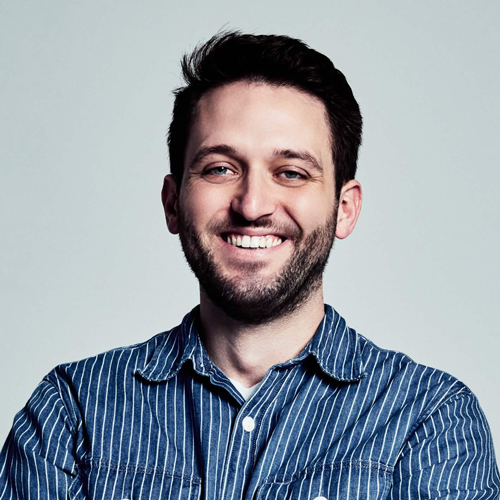
Chris Best
Canadian entrepreneur and software engineer. Co-founder and CEO of Substack, the subscription publishing platform launched in 2017. Previously co-founded Kik Interactive.
1 episode

Hamish McKenzie
Co-founder and Chief Writing Officer of Substack. Journalist and author of Insane Mode, the Tesla story. Former lead writer for Tesla and editorial advisor at Kik.
1 episode
