93 Rejections, One Revolution: How Indiegogo Changed Crowdfunding Forever
Danae Ringelmann and Slava Rubin defied 93 rejections to build Indiegogo, forever changing how ideas find funding. They proved that community belief, not venture capital, can launch movements. This episode unpacks how perseverance, platform design, and trusting creators rewired the economics of innovation. Their story reveals that when you remove gatekeepers, ordinary dreams become extraordinary businesses.
Listen on Spotify
Episode Recap
Danae Ringelmann and Slava Rubin turned 93 rejections into a crowdfunding revolution. Their Indiegogo story isn't just about funding—it's about rewriting the rules of who gets to build what.
From Film School to Funding Revolution
Danae was making a documentary about women's struggles to access capital when she hit a wall. Banks wouldn't fund her subjects, and traditional investors dismissed them. She realized the problem wasn't lack of ideas—it was lack of access. That insight birthed Indiegogo's core mission: democratize funding for everyone. Slava, who had already experienced fundraising failures firsthand, joined as co-founder. Their shared vision was simple yet radical: create a platform where anyone, anywhere could raise money from anyone, without gatekeepers.
The 93 Rejections That Forged Their Resolve
Before launching, Danae and Slava faced 93 investor rejections. VCs told them crowdfunding would never work, that people wouldn't trust strangers online, that only accredited investors should allocate capital. Each "no" refined their thinking. They stripped away complexity—no accredited investor requirements, no minimums, no lengthy applications. Instead, they built a system where creators set a funding goal and deadline, and backers pledged directly. The 94th "yes" came from the market itself when their first campaigns proved that ordinary people would fund neighbors' dreams.
Platform Design That Put Creators First
Indiegogo's early engineering choices reflected their mission. They took a smaller fee than competitors to lower barriers. They built flexible funding (keep what you raise) alongside all-or-nothing campaigns. They didn't require perfection—raw, early-stage ideas were welcome. This creator-first approach generated goodwill that money couldn't buy. When a campaign struggled, the team sometimes reached out personally to help. That human touch became a competitive advantage no VC-backed platform could replicate at scale.
The Ripple Effect on Modern Entrepreneurship
Today's startup world bears Indiegogo's fingerprints. Crowdfunding is now a standard path to validation and early revenue. Consumer product founders routinely launch on Kickstarter or Indiegogo before approaching VCs. The model proved that market demand can be demonstrated without traditional financing. More importantly, it changed the psychological calculus for builders—instead of asking permission, creators can now ask the public directly. That shift from gatekeeper approval to community validation is Indiegogo's quiet legacy.
The journey from 93 rejections to a category-defining company offers a blueprint: find a real access problem, build with conviction, and let the market decide.
Key Takeaways
- 1Rejection is data, not destiny: Every "no" refined Indiegogo's model until the market said yes. Persistence means adjusting, not quitting.
- 2Remove gatekeepers to unlock demand: By eliminating accredited investor rules, Indiegogo revealed pent-up demand from ordinary people who wanted to build and back ideas.
- 3Platform design reflects mission: Lower fees, flexible funding, and accepting raw ideas weren't just features—they were proof that creators come first.
- 4Community validation beats traditional financing: Indiegogo proved that early revenue from real customers is stronger validation than any term sheet.
- 5Build human touch into technology: Personal outreach to struggling campaigns created loyalty that no algorithm could match.
Founders Featured
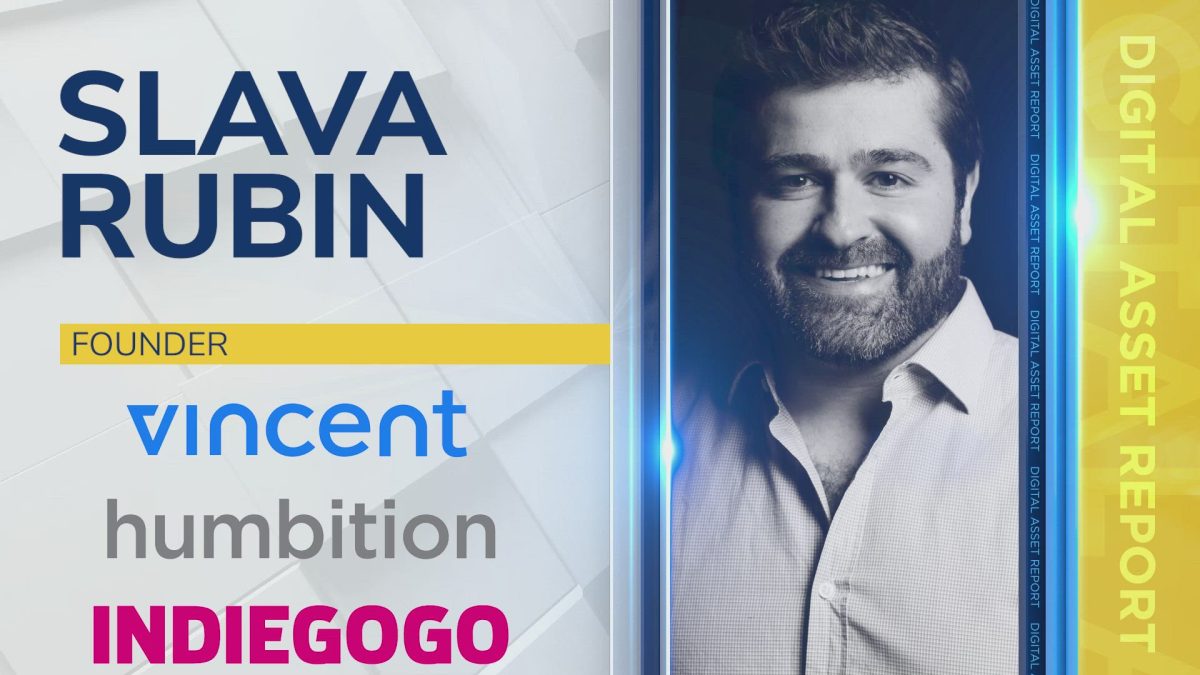
Slava Rubin
Slava Rubin co-founded Indiegogo in 2008 and served as CEO. The crowdfunding platform faced 93 investor rejections before launch. Rubin studied finance at UPenn and worked at J.P. Morgan before investing $30,000 of his own savings to start the company.

Danae Ringelmann
Danae Ringelmann co-founded Indiegogo in 2008 and serves as its Chief Development Officer. Her San Francisco-based platform democratized crowdfunding, raising over $850 million for creators, with 42% of successful campaigns led by women.