Advice Line with Luis von Ahn of Duolingo
Guy Raz brings back Duolingo co-founder Luis von Ahn for an Advice Line episode, where three founders seek guidance on scaling community-focused businesses. Steph Krim shares her journey turning refurbished vending machines into local art showcases in Chicago. Blair Hastie talks about designing sustainable tech accessories with Bear. Stephanie Carlson explains how her garden-design venture evolved into biophilic interior spaces. Luis offers practical advice on product focus, design intuition, and letting customer demand shape your business model.
Listen on Spotify
Episode Recap
Intro
Guy Raz welcomes back Luis von Ahn, co-founder and CEO of Duolingo, for an Advice Line episode focused on founders who are building community-centered businesses. Since their 2020 conversation, Duolingo has gone public and reached a $13 billion market cap, but Luis maintains the same curiosity about how small businesses grow. The episode brings three callers with very different challenges, each seeking practical advice on product, marketing, and business model evolution.
Caller 1: Steph Krim & Good Things Vending
Steph Krim calls from Chicago, where she transforms old snack vending machines into small galleries for local art and vintage treasures. Her challenge is figuring out how to scale without losing the playful, community-driven spirit that makes the machines special. Luis encourages her to keep the experience surprising and to think of the machines as distributed art installations rather than retail outlets. He suggests collaborating with more artists and rotating stock frequently so customers keep returning. Steph also worries about operational logistics, and Luis recommends treating the vending routes like a game—making the work itself feel creative rather than administrative.
Caller 2: Blair Hastie & Bear
Blair Hastie calls from Atlanta with Bear, a design-driven brand making high-end tech accessories from merino wool felt, machined metal, and fine leather. Her first product, Tame, is a minimalist cable organizer for MacBook users, and she is developing a Vision Pro battery pack sling called Tote. Luis zeroes in on the importance of starting with one excellent product rather than spreading attention across too many SKUs. He advises Blair to build demand for Tame first, then use that credibility to launch Tote. He also pushes her to lean into the brand story—sustainability and precision craftsmanship—rather than competing on price or features alone.
Caller 3: Stephanie Carlson & NatureSpire Landscapes
Stephanie Carlson calls from Carmel, Indiana, where she turned a backyard garden-teaching side project into NatureSpire Landscapes, a biophilic design firm. The company now builds living walls, moss walls, and interior plantscapes for commercial and residential clients. Luis is fascinated by how the business evolved from education into full-service design, and he tells Stephanie to embrace that pivot instead of feeling guilty about drifting from the original mission. He recommends documenting transformation stories—before-and-after visuals of spaces—to help people grasp the value of biophilic design. Stephanie also worries about pricing, and Luis reminds her that design and wellness work commands premium rates when the results are visible.
Final Thought
Luis von Ahn closes with a founder-to-founder reminder: build something people can experience directly, then let that experience do the marketing. Whether it is a vending machine full of local art, a cable wrap made from sustainable materials, or a living wall that changes how a room feels, the best businesses turn the product itself into a story worth repeating.
Key Takeaways
- 1Turn operations into experience: Vending machines become memorable when they are curated, not just stocked—make the routine feel like discovery.
- 2Lead with one great product: A single well-designed item builds more credibility than a scattered catalog of half-finished ideas.
- 3Let the customer reshape the mission: Good businesses often start with one intent and end up solving a different, better-defined problem.
- 4Document transformation visually: Before-and-after evidence makes abstract design value concrete and shareable.
- 5Price the outcome, not the effort: Premium work in design, wellness, and experience earns higher margins when the result is unmistakable.
Founders Featured
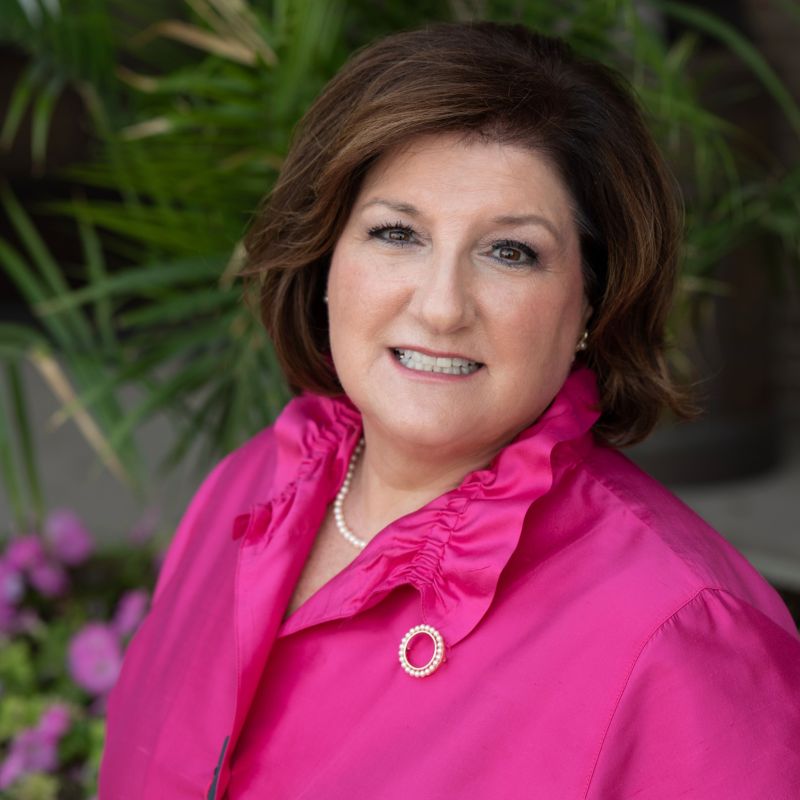
Blair Hastie
Blair Hastie is associated with Bear, a company focused on innovative products and services. Details about their professional background and contributions continue to be gathered from episode content and additional research.
1 episode
Chamber Stephanie Carlson
Stephanie Carlson is associated with NatureSpire Landscapes, a company focused on landscape design and environmental solutions. Details about her professional background and contributions continue to be gathered from episode content and additional research.
1 episode
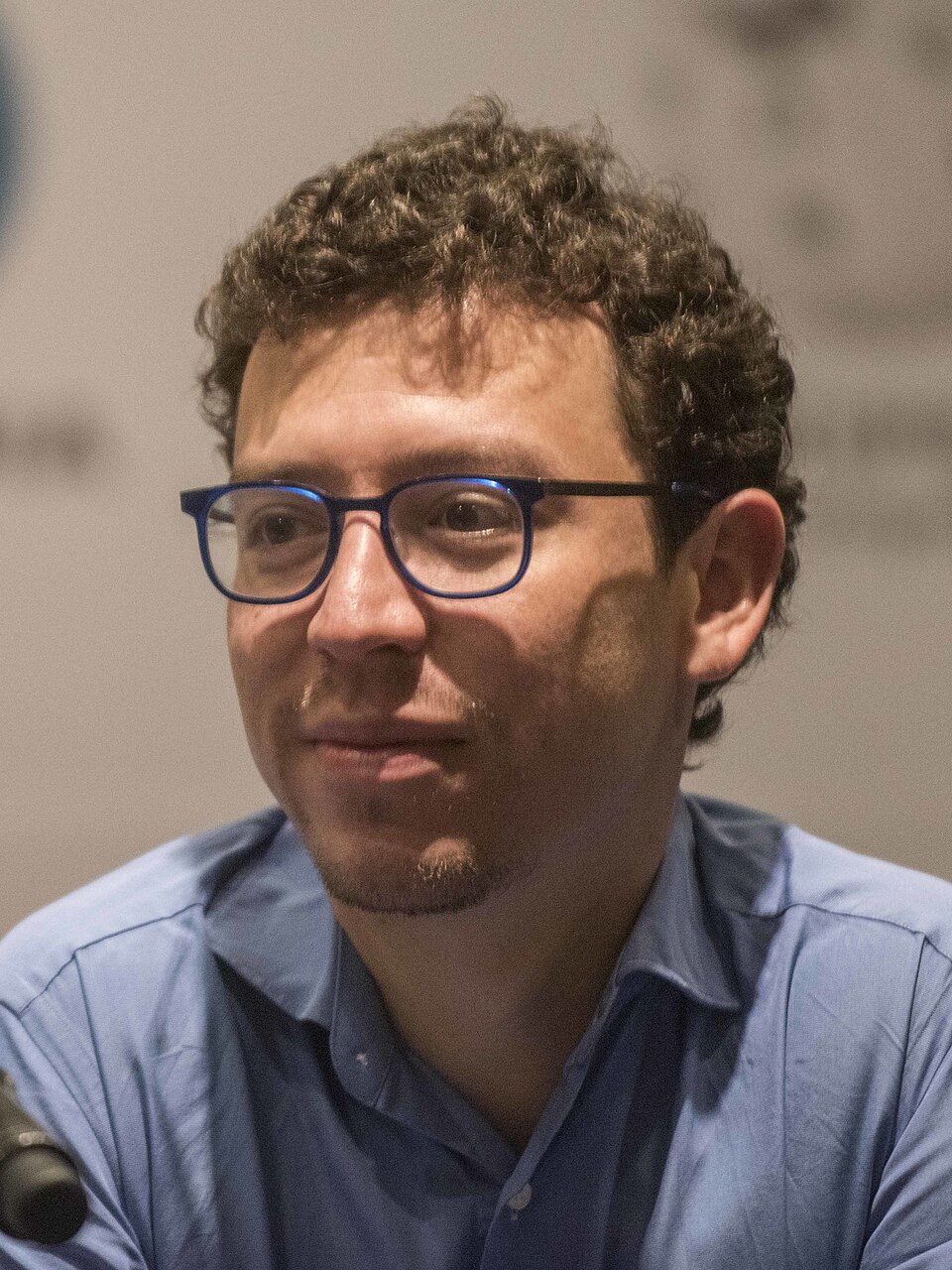
Luis von Ahn
Luis von Ahn is a Guatemalan-American computer scientist and professor at Carnegie Mellon University. He co-created CAPTCHA and reCAPTCHA, and is the co-founder and CEO of Duolingo, the world's most popular language-learning platform.
1 episode

Steph Krim
Steph Krim is the founder of Good Things Vending, a Chicago-based company that transforms traditional vending machines into local art and oddities shops. She started the company in 2018 after working in hospitality and non-profit industries.
1 episode
Related Companies
Bear
Design-driven brand creating high-end tech accessories from merino wool felt, machined metal, and fine leather.
1 episode

Good Things Vending
Refurbished snack vending machines customized with local art, vintage items, and nostalgia products.
1 episode
NatureSpire Landscapes
Biophilic design firm specializing in interior plantscapes, living walls, moss walls, and garden spaces.
1 episode

Duolingo
Language-learning platform with game-like lessons and AI-powered coaching.
1 episode