Advice Line with Monica Nassif of Mrs. Meyers
Guy Raz hosts Monica Nassif on the Advice Line to tackle real founder challenges. Allison Ombres needs help scaling her wig brand Encelia Hair beyond organic growth. Nick Harmon wants to focus Randomals after viral success stretched the team thin. Ben Rothenhafer asks whether he's ready to expand his chandelier cleaning business. Monica shares hard-won lessons about discipline, supply chains, and building brands that last.
Listen on Spotify
Episode Recap
Intro
Guy Raz welcomes Monica Nassif back to the Advice Line, where she shifts from guest to advisor. The episode opens with Monica Nassif credits Mrs. Meyers growth to staying disciplined by staying disciplined, market by market, instead of chasing every opportunity. That restraint becomes the through-line for the three callers who follow.
Caller 1: Allison Ombres & Encelia Hair
Allison calls from San Diego with a $6 billion problem. Her wig brand, Encelia Hair, sells direct-to-consumer through organic rankings and a small Instagram presence, but she hasn't spent meaningful money on marketing. Monica immediately sees the category advantage: an unbranded market with no dominant player. She urges Allison to treat her story like Nike—authentic, visual, and centered on real customer transformation. Guy adds that short videos showing the inside of a wig, and Allison wearing her own product, could replace expensive production budgets.
Caller 2: Nick Harmon & Randomals
Nick Harmon calls from Sun Valley, Idaho, where his pandemic-born toy company is pulling in nearly $1 million in sales and climbing. Randomals blends animal parts into plush toys and books, and a viral video reached 36 million views. The problem is momentum has scattered the team across international markets, animation deals, and wholesale conversations. Monica's advice is blunt: stop. She tells Nick to refocus on the United States, shore up his supply chain, and let the Ripley's partnership run its course before expanding further. Nick agrees that discipline is harder than creativity, but necessary.
Caller 3: Ben Rothenhafer & Chandelier Cleaning VA
Ben Rothenhafer runs a specialized cleaning business in Richmond, Virginia, and he wants to scale. Monica frames the question as a math problem: how many chandeliers exist in the territory, how often they need service, and what price clears the profit threshold. She warns that scaling requires someone autonomous enough to run crews without Ben on every ladder. Ben already has two helpers and a potential client-list acquisition from a retiring competitor. The conclusion is that he can grow carefully, but he shouldn't rush until he has a proven second-in-command.
Final Thought
The episode closes with Monica admitting that ignorance was partly responsible for Mrs. Meyers' early audacity. She didn't know how expensive shelf space would be, so she tried it anyway. That naivety, paired with stubborn authenticity, built a brand that still stands. The through-line for all three callers is the same: know your numbers, protect your focus, and let real customers prove your worth.
Key Takeaways
- 1Use scarcity as a branding signal: When retailers threatened delisting, Monica chose customer loyalty over discounts—long-term trust beats short-term margins.
- 2Make authenticity your distribution strategy: Allison's best marketing isn't ad spend; it's unfiltered video of herself wearing her own product.
- 3Focus is a moat: Randomals had viral reach but scattered operations; Monica's advice is to dominate one geography before chasing the next.
- 4Scale only after duplicating yourself: Ben can grow, but only after training a lead tech who can run jobs without him on every ladder.
- 5Ignorance can be an advantage: Monica didn't know how hard retail launch would be, so she tried anyway—sometimes not knowing the odds is the only way to start.
More from Monica Nassif, Allison Ombres, Nick Harmon, Ben Rothenhafer
Founders Featured
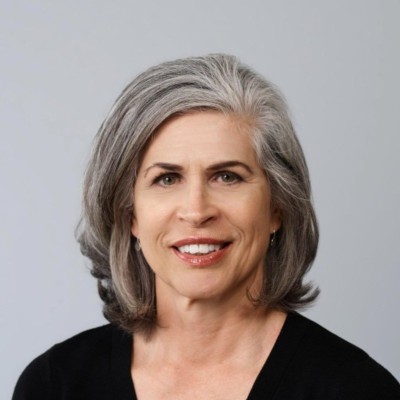
Monica Nassif
Monica Nassif founded Mrs. Meyer's Clean Day in 2002, naming it after her mother. A former nurse and retail worker who lost $75,000 on a prior startup, she built the company before selling to S.C. Johnson in 2008. She graduated from the University of Iowa and authored "I Bottled My Mother."
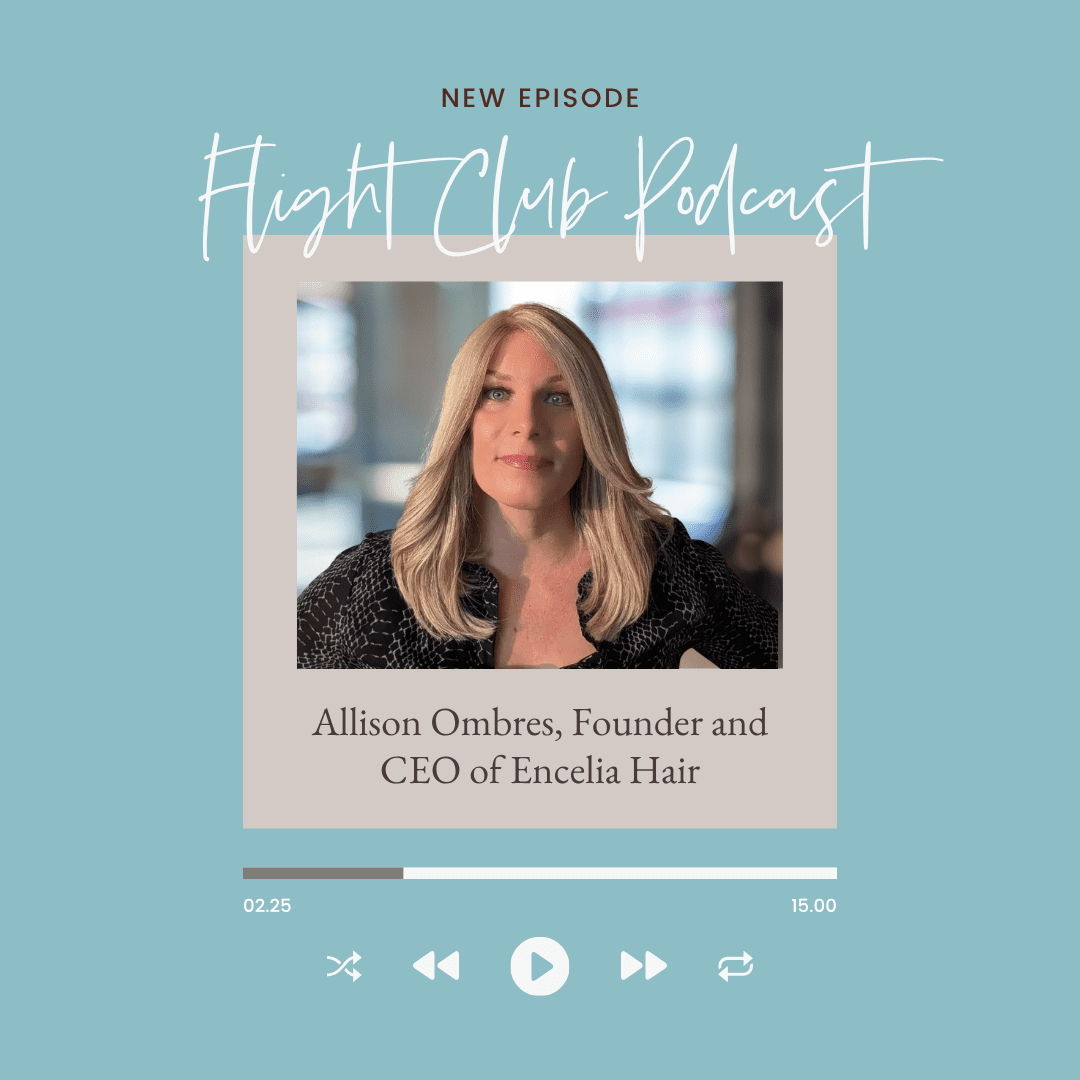
Allison Ombres
Allison Ombres founded Encelia Hair creating comfortable wigs using athletic-wear materials. She developed Alopecia Universalis during pregnancy and designs products that solve the itch, heat, and stigma of traditional wigs. San Diego-based Give program donates one wig for every ten sold.

Nick Harmon
Nick Harmon co-founded Randimals. It started with Oliver. Quirky composite beast plush, inspired by his Basset Lab mix, launched during the COVID-19 pandemic, earned Randimals the 2022 Autism Live Speech Builder Award, and appeared on *How I Built This*.
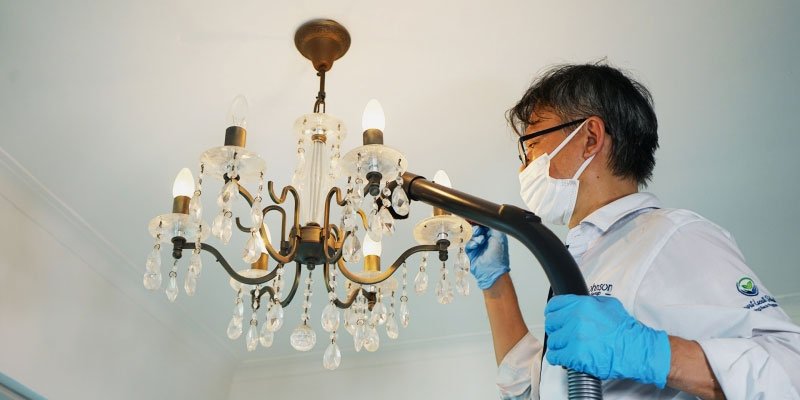
Ben Rothenhafer
Ben Rothenhafer runs Chandelier Cleaning VA. Virginia-based. Featured on How I Built This. Founded in 1987 by master chandelier craftsman David Toran, his team hand-cleans simple fixtures, crystal pieces, and Chihuly chandeliers across eastern and central Virginia, plus offers repair services...
Related Companies
Mrs. Meyer's Clean Day
Mrs. Meyer's Clean Day creates household cleaning and personal care products with essential oils and garden-inspired scents. Founded by Monica Nassif in 2001 and acquired by S.C. Johnson in 2008, the brand focuses on non-toxic ingredients.
2 episodes
SPARX
SPARX builds wHAIRables for women with hair loss. The products are engineered to move, breathe, and stay on without glue, grip, or compromise.
1 episode
Randomals
Randomals creates whimsical combination animal plush toys, figures, beanies, and award-winning books. The brand is built on the message that what makes us different makes all the difference in the world.
1 episode
Chandelier Cleaning VA
Chandelier Cleaning VA specializes in the cleaning and restoration of antique and modern lighting. The company preserves the integrity of historic architecture while bringing new brilliance to spaces.
1 episode