Advice Line with RJ Scaringe with Rivian
Rivian founder and CEO RJ Scaringe joins Guy Raz on the Advice Line to answer questions from three early-stage founders navigating the challenges of building sustainable businesses. Ashley Vetter seeks guidance on scaling her dairy-free ice cream brand, Kwadwo Som-Pimpong weighs the risk of leaving his engineering job for his furniture studio, and Robert Button looks for strategies to move his portable rope tow system from niche backcountry gear to mainstream adoption. Scaringe draws on his experience building Rivian through supply chain crises and market shifts to offer practical advice on capital, product-market fit, and weathering uncertainty.
Listen on Spotify
Episode Recap
Intro
On this Advice Line episode, Guy Raz sits down with RJ Scaringe, the founder and CEO of Rivian, to field questions from three early-stage founders wrestling with the tension between staying the course and chasing bigger opportunities. The conversation spans capital, supply chains, and the art of knowing when to bet on yourself.
Caller 1: Ashley Vetter & Vetter's Organic Ice Cream
Ashley Vetter launched Vetter's Organic Ice Cream after her husband Justin's Parkinson's diagnosis sparked a mission to create healthier treats. The San Clemente brand now sells gluten-free, dairy-free ice cream sandwiches and pints in over 50 stores, and has raised more than $650,000 for the Michael J. Fox Foundation. Vetter asks whether she should take outside capital to scale nationwide.
Scaringe encourages her to think carefully about timing and control. He acknowledges that capital can accelerate growth but warns that equity is expensive and dilution has long-term consequences. He suggests exploring revenue-based partnerships or strategic distribution deals first, and only opening the cap table if the unit economics and brand positioning can sustain aggressive expansion.
Caller 2: Kwadwo & Crafted Glory
Kwadwo Som-Pimpong is a Carnegie Mellon-trained engineer who runs Crafted Glory, a sculptural furniture studio in the Blue Ridge Mountains of North Carolina. His work blends West African heritage with contemporary design, and he has built a following through features on PBS North Carolina, NBC, and Etsy's Olympics campaign. He asks whether he should quit his full-time job to commit to the studio full-time.
Scaringe relates to the leap-of-faith question. He left MIT to launch Rivian when electric vehicles were still a niche curiosity. He tells Kwadwo to stress-test his runway—know exactly how many months of living expenses he can cover without a paycheck—and to build a minimum viable operation before walking away from a stable income. He also emphasizes that a full-time commitment changes the psychology of the business, for better and for worse.
Caller 3: Robert Button & ZOA Engineering
Robert Button founded ZOA Engineering in Vancouver to build the PL1, a portable rope tow system that lets backcountry skiers tow themselves up slopes. The product costs $1,700, and the company is doing roughly $200,000 in revenue with a strong Instagram following of about 20,000. He asks how to move beyond early adopters to mainstream skiers.
Scaringe identifies the gap between enthusiast culture and mainstream demand. He advises Button to invest in content that demystifies the product for casual skiers, to pursue partnerships with ski resorts or patrol teams for credibility, and to prepare for a different kind of customer who will need more hand-holding. He also flags that hardware businesses face higher working capital needs than software, so inventory and distribution planning should come before any big marketing push.
Final Thought
Across all three calls, Scaringe's advice circles back to optionality and resilience. Whether it's ice cream, furniture, or rope tows, he tells the founders to understand their real runway, preserve optionality where they can, and build something that can survive a bad quarter—or a bad year—without folding.
Key Takeaways
- 1Timing and control matter more than capital:: RJ Scaringe advises founders to explore revenue-based partnerships and strategic distribution deals before taking outside equity, especially when unit economics and brand positioning must sustain aggressive growth.
- 2Know your real runway before making the full-time leap:: Whether leaving a stable job or pouring savings into hardware, founders should stress-test exactly how many months they can survive without income and build a minimum viable operation before making irreversible commitments.
- 3Hardware businesses require distribution and working-capital planning ahead of marketing:: Scaringe flags that physical products need inventory and logistics sorted before big marketing pushes, and that partnerships with established venues or institutions can validate products for mainstream audiences.
- 4Preserve optionality:: Across all three calls, the core advice is to keep strategic choices open—whether that means holding a cap table, maintaining a side income, or designing products that can adapt to shifting policies and consumer tastes.
Founders Featured
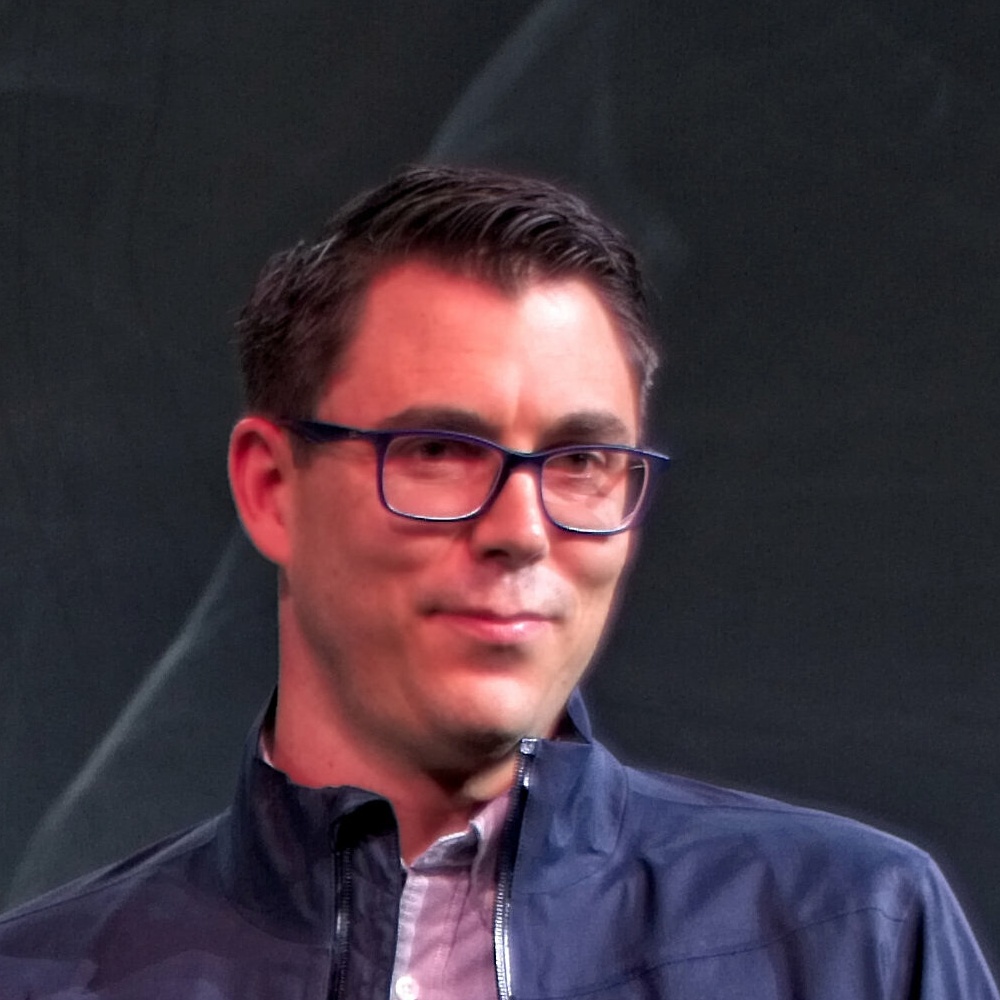
RJ Scaringe
Robert Joseph Scaringe is an American engineer and founder of Rivian, the electric vehicle manufacturer. Born in Florida, he earned his PhD from MIT before launching Rivian in 2009. Rivian went public in 2021 and became a major force in the EV market with the R1T pickup and R1S SUV.
1 episode
Robert Button
Robert Button is the founder of ZOA Engineering, a Vancouver-based company making portable rope tow systems for backcountry skiing. A mechanical engineer, he designed the PL1, a backpack-sized ski lift that lets skiers tow themselves back up the mountain for backcountry runs.
1 episode
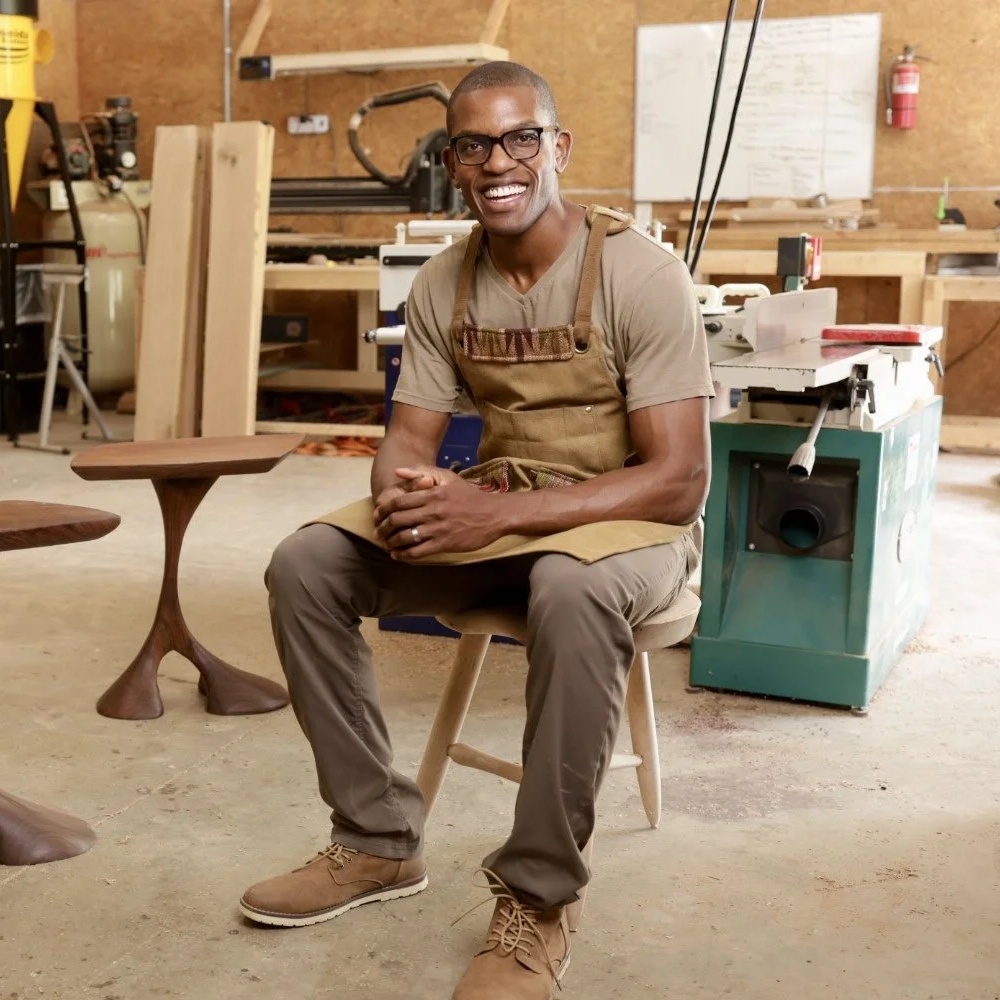
Kwadwo Som-Pimpong
Kwadwo Som-Pimpong is the founder and creative director of Crafted Glory, a North Carolina studio making sculptural furniture. With engineering degrees from Carnegie Mellon, he blends West African heritage with contemporary design. Featured on PBS, NBC, and CNN, his work is collected nationwide.
1 episode
Related Companies
ZOA Engineering
ZOA Engineering is a Vancouver-based company making portable rope tow systems for backcountry skiing and outdoor recreation. Founded by mechanical engineer Robert Button, the company builds compact, backpackable ski lifts that let backcountry skiers tow themselves back up the mountain.
1 episode

Rivian
Rivian is an American electric vehicle manufacturer founded in 2009. Based in Normal, Illinois, the company builds all-electric adventure vehicles including the R1T pickup truck, R1S SUV, and upcoming R2. Rivian went public in 2021 and is a leader in the sustainable adventure vehicle market.
1 episode

Crafted Glory
Crafted Glory is a sculptural furniture studio based in the Blue Ridge Mountains of North Carolina. Founded by Kwadwo Som-Pimpong, the studio creates handcrafted furniture that bridges West African heritage and contemporary design, appearing in collections across all fifty states.
1 episode