Advice Line with Tariq Farid of Edible Arrangements
Tariq Farid returns to the Advice Line to tackle the biggest hurdles facing three early-stage founders. Jake DeLeon needs a strategy to make Filipino food mainstream. Heather Thorkelson wrestles with whether the word "cruise" helps or hurts a zero-emission polar expedition brand. Ryan Burkhardt wants to grow a word-of-mouth print shop to five million without losing its concierge soul. Farid's advice cuts through the noise: stop fixating on the name, start obsessing over the customer, and let authenticity scale.
Listen on Spotify
Episode Recap
Intro
Tariq Farid knows a thing or two about building a brand people trust with their celebrations. After turning a kitchen accident into a global fruit empire, he returns to the Advice Line to coach three founders navigating very different scaling problems. The conversations reveal a pattern: the founders who worry most about image or name are often the ones closest to breakthroughs they cannot see.
Caller 1: Jake DeLeon & Fila Manila
Jake DeLeon is on a mission to make Filipino flavors as familiar as Italian or Mexican in American kitchens. His brand Fila Manila sits in an almost empty national shelf space, and he wonders how to educate consumers without drowning in marketing costs. Tariq pushes back on the idea that education has to mean expensive ad spend. Instead, he points to sampling, demos, and partnerships with food trucks or fast-casual restaurants that already have captive audiences. The brand should own the origin story of banana ketchup and ube spread the way Sriracha owns the rooster, because familiarity breeds adoption. Tariq also warns Jake not to offshore production just to chase margins. If the product wins, someone else can copy the flavor, but they cannot copy the brand.
Caller 2: Heather Thorkelson & Minimal Impact Cruises
Heather Thorkelson is building a 36-passenger polar expedition ship designed from the keel up for zero-emission travel. Her question is surprisingly tactical: should the word "cruise" stay in the company name even though it conjures images of megaships? Tariq tells her to stop second-guessing the customer. People searching for Arctic adventures will find her regardless of the label, and the sustainability story is the real differentiator. He suggests A-B testing the name in small ad campaigns, but he also reminds her that authenticity beats polish. The ship itself, the science affiliations, and the silent electric propulsion are the story. Once people experience it, the name matters far less than the memory of standing on a carbon-neutral vessel surrounded by ice.
Caller 3: Ryan Burkhardt & Kong Screen Printing
Ryan Burkhardt has built a seven-figure Austin print shop on word of mouth and a concierge customer service model. The plateau is real: revenue has hovered around three million for five years, and he wants to reach five million without hiring a sales army or turning Kong into a faceless commodity printer. Tariq says the answer is already inside the business. Doubling down on existing clients, publishing case studies, and sending a small team of college-aged brand ambassadors back into those accounts with fresh design samples will outperform cold outreach. The brand Bible Tariq recommends is not just a morale exercise; it is the only way to scale a culture where every employee can act like the founder. Ryan already has the reputation; he just needs to bottle it.
Final Thought
All three callers are trying to manage perception before they have finished building the thing that creates the perception. Tariq's through line is simple: let the product, the service, and the culture do the talking. Names, logos, and A-B tests are useful only insofar as they reveal the truth of what the business already delivers.
Key Takeaways
- 1Focus on the product, not the packaging: Stop obsessing over names and logos—the product experience is what builds loyalty.
- 2Educate before you scale: Introducing an unfamiliar category requires patient sampling and storytelling, not just ad spend.
- 3Protect culture through systems: Document your values and train every new hire on what makes you different before growth erodes it.
- 4Your reputation is your best acquisition channel: When word-of-mouth works, double down on existing clients before chasing expensive new leads.
Founders Featured
Tariq Farid
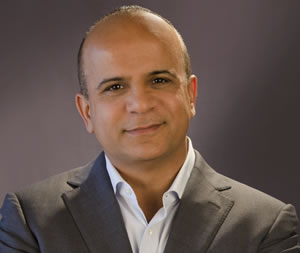
Tariq Farid is the Founder of Edible Arrangements, the fruit arrangement franchise with 1,200+ stores worldwide. A Pakistani-American entrepreneur, he started his first business at 17 and grew Edible Arrangements into a global brand. He was named Entrepreneur of the Year in 2009.
Jake DeLeon
Jake DeLeon is the founder and CEO of Fila Manila, a company crafting award-winning Filipino-inspired sauces and spreads. A former Starbucks executive, he launched the brand in 2020 and later secured a Shark Tank investment.
Heather Thorkelson
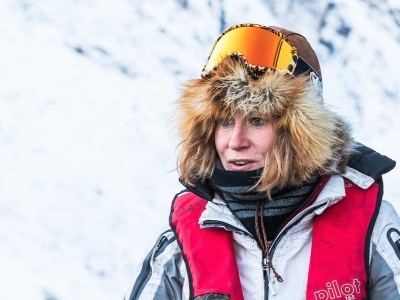
Heather Thorkelson is a polar expedition entrepreneur and founder of Polar Tracks Expeditions and Minimal Impact Cruises. Based in Sweden, she has spent nearly two decades guiding travelers through the Arctic and Antarctic while championing sustainable, low-impact tourism.

Ryan Burkhardt
Ryan Burkhardt is the co-founder and co-owner of Kong Screen Printing, an Austin-based custom apparel company he started with Bruce Braden in 2011. With an MFA in fine arts, he built the business around a concierge-level customer service model serving brands like Coca-Cola and Topo Chico.
Related Companies

Edible Arrangements
Edible Arrangements is a fresh fruit gifting company that creates handcrafted fruit bouquets and arrangements, combining the concept of a fruit basket with designs inspired by flower arrangements. The company also sells chocolate-dipped fruit gifts and specialty treat boxes.
1 episode

Fila Manila
Fila Manila is here to represent the next generation of Filipino American flavors. We make award winning food products like Filipino Adobo sauce,
1 episode
Minimal Impact Cruises
Minimal Impact Cruises is a sustainable expedition cruise brand launched in 2025 as a sub-brand of Polar Tracks Expeditions. It operates a wind- and solar-powered vessel designed for low-impact polar travel with a maximum of 36 passengers.
1 episode

Kong Screen Printing
Kong Screen Printing is an Austin-based custom apparel and promotional products company co-founded by Ryan Burkhardt and Bruce Braden in 2011. It specializes in screen printing, embroidery, direct-to-film transfers, and promotional products for brands of all sizes.
1 episode