Advice Line with Troy Carter of Atom Factory
Music manager Troy Carter joins Guy Raz on the Advice Line to help three early-stage founders work through real business problems. Madelyn in Arizona is growing a postpartum meal delivery service without losing her local community focus. Tyler in Oregon wants stronger influencer partnerships for his water purification brand. Gina in Minnesota is figuring out how to market a clothing line that matches dogs with their owners. Troy, who built Atom Factory and guided the careers of Lady Gaga and John Legend, shares hard-won lessons on audience building, authentic partnerships, and standing out in a crowded market.
Listen on Spotify
Episode Recap
Intro
Guy Raz opens the show by welcoming Troy Carter back to How I Built This. Troy, who founded Atom Factory and managed some of the biggest artists in the world, is here to help three early-stage founders navigate real business challenges. The Advice Line format is straightforward: callers pitch their problems and Troy offers practical guidance drawn from decades in entertainment and entrepreneurship.
Caller 1: Madelyn & The Nest Prep
Madelyn runs a postpartum meal delivery service in Arizona called The Nest Prep. She is torn between expanding her reach and preserving the tight-knit local community feel that makes her brand special. Troy pushes back on the assumption that growth has to mean going national. Instead, he suggests she think about what makes her local model hard to replicate and build that into her story. If authenticity is her competitive advantage, scaling through digital ads might actually weaken the brand rather than strengthen it.
Caller 2: Tyler & Guzzle H2O
Tyler sells water purification systems and wants deeper relationships with influencers who already endorse his products. Troy warns against treating influencers as ad channels. The callers who move the needle are the ones who give influencers a real role in the product or the narrative. He recommends Tyler pick two or three creators who genuinely believe in clean water and invite them into the brand story, rather than chasing broad reach across dozens of superficial partnerships.
Caller 3: Gina & Good Thomas
Gina is trying to market a clothing line that matches dogs with their owners. Troy says the insight is already there: the product is emotional and visual. The problem is not awareness, it is conversion. He suggests Gina lean into the matching mechanic as a content engine instead of trying to explain it in words. Let the photos do the work and use the dog-and-owner pairing as a shareable moment that people naturally want to post themselves.
Final Thought
Troy closes with a point that applies to all three callers: when paid advertising gets expensive or inefficient, the companies that win are the ones with a story worth repeating. Whether that is local trust, influencer partnership, or visual identity, the marketing strategy should amplify something that already exists in the business, not invent a new angle every quarter.
Key Takeaways
- 1Protect your core identity before scaling: If local authenticity is what makes a brand special, national expansion through paid channels can destroy that advantage faster than it builds it.
- 2Influencers should be co-creators, not ad channels: Lasting partnerships come from giving creators a real role in the product or story rather than treating them as a distribution tactic.
- 3Let the product be the marketing: Emotional, visual products generate their own content when customers post about them; the brand job is to make that moment easy and shareable.
- 4Repeatable storytelling outperforms quarterly rebrands: When advertising costs spike, companies with a story worth repeating have a lower-cost path to growth than those chasing new angles every quarter.
Founders Featured
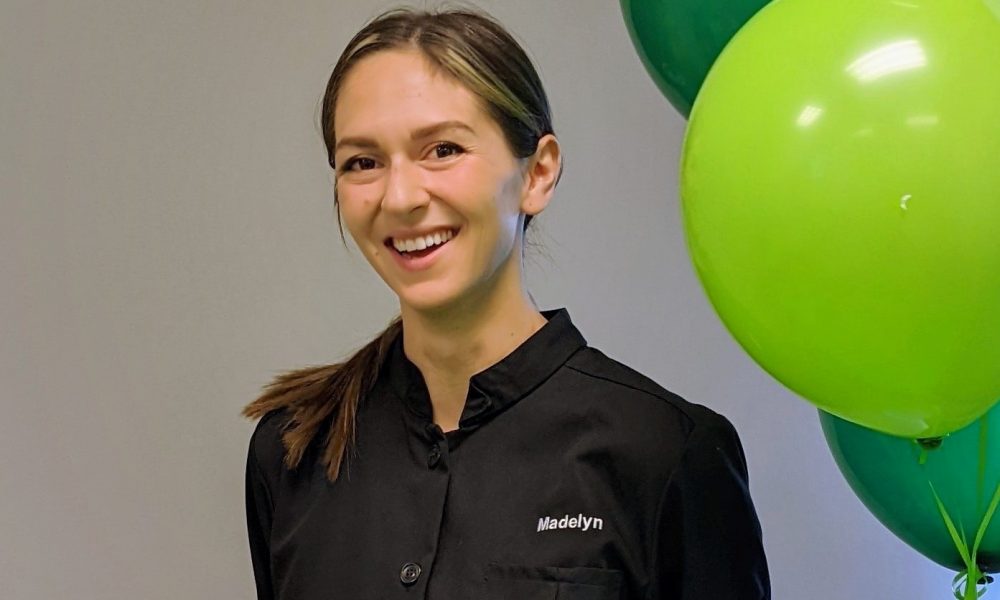
Madelyn Nossek Ellis
Madelyn is the founder of The Nest Prep, a postpartum meal delivery service in Arizona focused on supporting new mothers through the fourth trimester.
Tyler Bech
Tyler is the founder of Guzzle H2O, an Oregon-based water purification brand focused on making clean hydration simple and accessible.
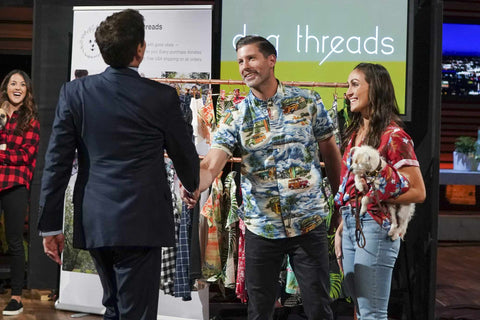
Gina Davis
Gina is the founder of Good Thomas, a Minnesota-based clothing line that matches dogs with their owners through coordinated apparel.
Related Companies
The Nest Prep
The Nest Prep is a postpartum meal delivery service based in Arizona that supports new mothers through the fourth trimester with nutritious, ready-to-eat meals.
1 episode

Guzzle H2O
Guzzle H2O is an Oregon-based water purification company that makes clean, great-tasting water simple and accessible for everyday use.
1 episode
Good Thomas
Good Thomas is a Minnesota-based clothing line that makes matching owner-dog apparel, turning pet ownership into a coordinated, shareable style moment.
1 episode