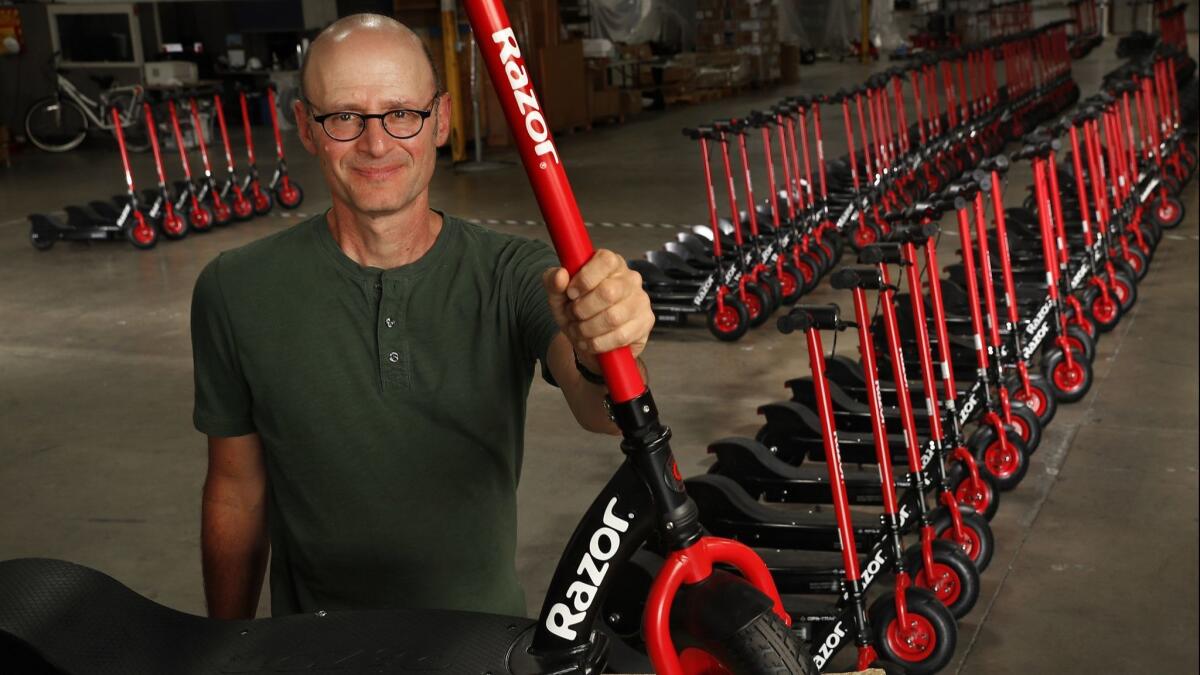
Carlton Calvin: Razor. The wild rise, collapse, and reinvention of a mobile toy empire.
Carlton Calvin turned a simple scooter idea into a cultural phenomenon, then weathered its collapse, and emerged with a reinvention that defied expectations. In this episode, he reveals how recognizing fleeting trends while building lasting brand equity became Razor's secret weapon. You'll learn why the same product that sparked a global craze also nearly sank the company, and how Carlton's pivot into new mobility categories saved the empire. This is a masterclass in riding hype cycles without being crushed by them.
Listen on Spotify
Episode Recap
Carlton Calvin's story begins not with a grand vision, but with a scrapped piece of foam. A failed experiment in his garage became the accidental seed for what would grow into a billion-dollar toy empire. What follows is a tale of explosive growth, humbling collapse, and strategic reinvention that offers lessons for any founder navigating volatile markets.
Ride the Wave Before It Breaks
The Razor scooter's ascent was meteoric. Carlton's initial insight—that a simple, foldable scooter could capture the imagination of kids and adults alike—struck gold almost overnight. Distribution exploded through major retailers, and the product became a cultural touchstone. But this very success planted the seeds of its own crisis. The market flooded with knockoffs, margins evaporated, and Razor's core business began to feel the squeeze. The company that had defined a category now struggled to defend it.
Pivot or Perish
Facing a collapsing core market, Carlton made a counterintuitive move: he expanded Razor's identity from "scooter company" to "mobility company." This wasn't just a rebrand—it was a fundamental shift in how the business operated. Razor began developing electric scooters, hoverboards, and other battery-powered rideables, leveraging their manufacturing expertise and distribution channels to enter adjacent markets. The pivot wasn't about abandoning the past; it was about using the brand equity built on the original scooter to launch products that spoke to an evolved customer need.
Authenticity Over Hype
Perhaps the most telling moment in Carlton's journey came when he stopped chasing trends and started building for longevity. The reinvention phase wasn't glamorous—it involved restructuring supply chains, rethinking product development cycles, and rebuilding retailer relationships. But it created a more resilient business model, one that could withstand the inevitable cycles of toy crazes. Razor's current success isn't built on a single viral hit; it's built on systematic category expansion and operational maturity.
The episode closes with Carlton's hard-won perspective: brands that treat every trend as an opportunity to deepen their story, rather than just cash in on a fad, are the ones that survive the inevitable downturns.
Key Takeaways
- 1Turn failures into flagship products: Carlton Calvin's scooter originated from a rejected foam experiment, proving that your biggest setback might contain your next breakthrough.
- 2Ride trends but build foundations: Exploiting viral demand builds cash flow, but operational maturity ensures survival when the craze inevitably fades.
- 3Expand the category, not just the product line: Razor survived by evolving from "scooter company" to "mobility company"—a mindset shift that opened multiple revenue streams.
- 4Authenticity outlasts hype: Brands built on genuine utility and consistent quality endure beyond trend cycles; those built on hype alone collapse when attention shifts.