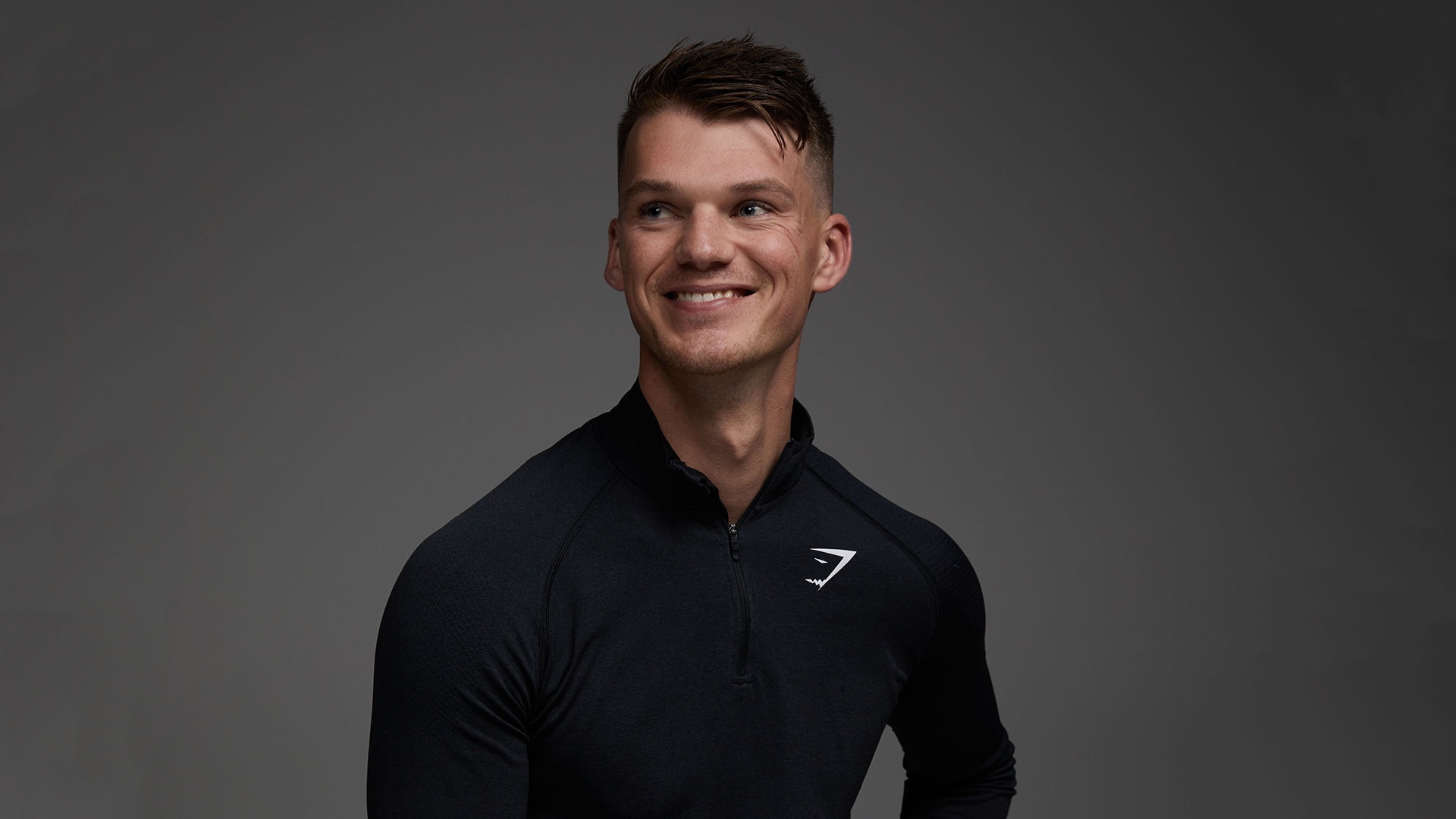
Gymshark: Ben Francis. From pizza delivery to billion-dollar fitness brand.
From pizza delivery driver to fitness empire builder, Ben Francis turned a dorm-room side hustle into a global phenomenon. Gymshark wasn't born in a corporate boardroom but in a university bedroom, where Francis and his friends hand-packed orders while studying. The brand's explosive growth came from mastering social media before it was mainstream, building a cult-like community that felt like a fitness family. Today, Gymshark stands as a direct-to-consumer titan, proving that authenticity and community can outmaneuver traditional retail giants. This is the story of how a 19-year-old's passion project rewrote the rules of athletic apparel.
Listen on Spotify
Episode Recap
Ben Francis wasn't supposed to become a billionaire. He was a university student studying technology, working a pizza delivery job to make ends meet. But in 2012, at age 19, he started making workout clothes for himself and his friends because nothing on the market fit right. What began as a dorm-room operation with a £500 investment would eventually disrupt the entire fitness apparel industry.
The early days were brutally hands-on. Francis and his four co-founders packed orders themselves, often between classes. They lived at the gym, understood the culture intimately, and built products they genuinely wanted to wear. This authenticity became Gymshark's secret weapon—they weren't outsiders selling to fitness enthusiasts, they were insiders solving their own problems.
The breakthrough came through social media mastery. While traditional brands spent millions on billboards and magazine ads, Gymshark turned to YouTube and Instagram. They partnered with fitness influencers before "influencer marketing" was even a term, sending free clothes to trainers who posted workout videos. The strategy worked because it felt genuine—real people, real results, real communities forming around the brand.
By 2016, Gymshark was generating £15 million in revenue. The company's valuation skyrocketed to over £1 billion by 2020, making Francis a billionaire before he turned 30. But rapid growth brought challenges. Supply chain crises, scaling manufacturing, and maintaining brand authenticity while becoming mainstream required constant adaptation.
Francis made controversial but strategic decisions, like moving manufacturing overseas to meet demand and opening physical stores to complement the direct-to-consumer model. He stepped down as CEO in 2021 to focus on product and brand, proving that leadership evolution is part of scaling. The company now employs thousands and operates globally, yet still maintains that founder-led, community-first ethos.
This episode reveals how digital-native brands can outmaneuver legacy players by being more authentic, more agile, and closer to their customers. Francis's journey shows that sometimes the best business strategy is simply building something you genuinely believe in, then letting the community carry it forward.
Major Milestones in the Gymshark Journey
The transition from bedroom startup to global brand happened in distinct phases. The first phase was pure grassroots—hand-sewing prototypes, posting on social media, and letting the product speak for itself. The second phase was explosive growth fueled by influencer partnerships that created viral demand. The third phase was professionalization—hiring executives, building supply chains, and navigating the complexities of international expansion.
The Power of Community Over Advertising
Gymshark's marketing budget was always tiny compared to Nike or Under Armour. Instead, they invested in community. Their Facebook groups became fitness support networks. Their brand ambassadors became genuine fans. This approach created emotional loyalty that traditional advertising can't buy. When customers feel they belong to something, they become evangelists.
Scaling Without Losing Your Soul
The biggest challenge for any cult brand is growth without betrayal. Francis tackled this by keeping product decisions centralized, maintaining direct customer relationships, and never compromising on quality. Physical stores became community hubs, not just sales points. The brand's DNA remained intact because the founder stayed deeply involved in product and culture, even after stepping back from day-to-day operations.
Key Takeaways
- 1Start before you're ready: Francis launched Gymshark at 19 with minimal capital, learning as he went. Perfection is the enemy of momentum—ship early, iterate constantly.
- 2Build a community, not just a customer list: Gymshark's explosive growth came from treating customers like tribe members, not transactions. Their Facebook groups and ambassador programs created emotional loyalty that ads can't buy.
- 3Master the platforms your audience actually uses: While competitors poured money into billboards, Gymshark dominated YouTube and Instagram, partnering with fitness influencers before it was standard practice. Meet your customers where they already are.
- 4Stay close to the product as you scale: Even after becoming a billionaire, Francis remained hands-on with design and quality. Scaling requires delegation, but founder involvement in core decisions preserves brand integrity.
- 5Pivots are survivable, inaction is fatal: The brand survived supply chain disasters, growth crises, and leadership transitions by adapting quickly. Stubbornness kills companies; strategic pivots save them.