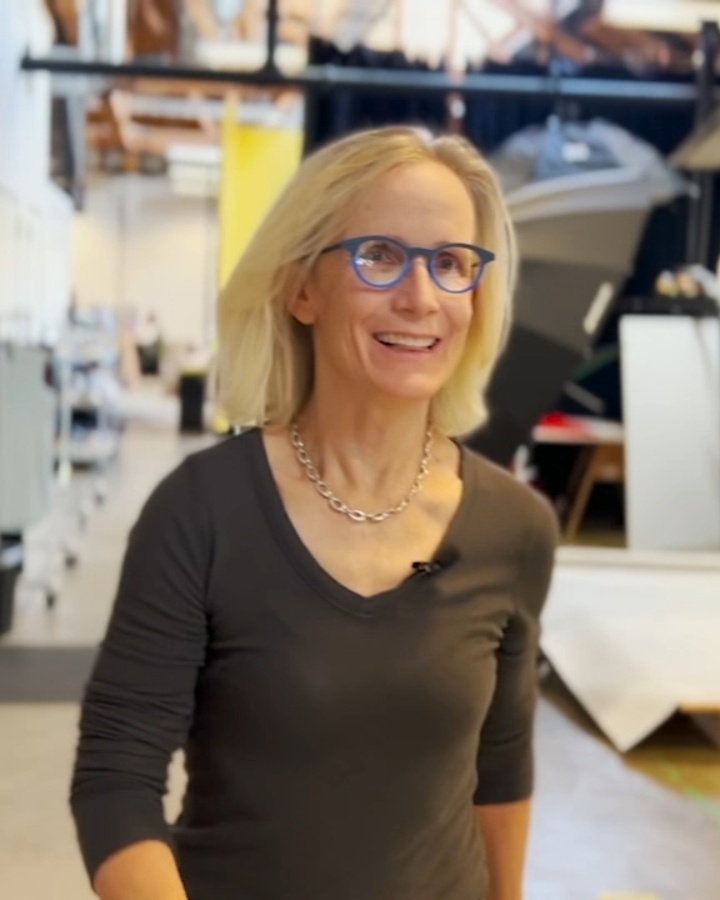
Title Nine: Missy Park (October 2021)
Frustrated by ill-fitting women's sports gear, Missy Park launched Title Nine in 1989, years before competitors like Lululemon or Athleta entered the market. After a disastrous initial launch that produced just 15 orders from 20,000 mailed catalogs, a last-minute catalog addition turned the brand around. She bootstrapped the independently owned company to roughly $100 million in annual revenue while remaining the sole owner.
Listen on Spotify
Episode Recap
Guy Raz interviews Missy Park about building Title Nine into a $100 million activewear brand without ever taking outside investment. Park shares the brand's humble beginnings, its near-collapse after a failed catalog launch, and the slow, intentional growth philosophy that kept her in control for over three decades. Her story is a masterclass in bootstrapping, resilience, and building a company that reflects your own values.
A Rocky Start and a Lucky Break
Park mailed out roughly 20,000 catalogs for her 1989 launch and received just 15 orders. She was ready to quit until a last-minute addition to the catalog—sports bras—resonated with customers and provided the first spark of real demand. That early stumble taught her to test quickly and keep iterating, a habit that would define Title Nine's approach for decades. The brand's first profitable year didn't come until 1993, four years after launch.
Bootstrapping and Slow Growth
While rivals like Lululemon and Athleta raised venture capital and scaled rapidly, Park grew Title Nine at 5 to 10 percent a year. That slow pace let her build a supportive culture and avoid the pressure to sell or go public. By 2021, the company was generating roughly $100 million in annual revenue and remained 100 percent owned by Park. She credits that independence with letting her make decisions that prioritize people over quarterly results.
Leadership Transitions and Self-Inflicted Wounds
Around 2014, Park realized she had failed to shift Title Nine from a print and catalog model to digital fast enough, and sales slumped. She brought in outside presidents to lead the turnaround, including Johnny Lin, a rare male executive in a women-led brand. Park says those difficult years were ultimately a leadership lesson, not a brand failure, and that hiring people with different perspectives was the only way to break out of her own blind spots.
Park's story demonstrates a simple truth: she built a $100 million company not by chasing grand slams, but by hitting singles for over thirty years.
Key Takeaways
- 1Solve a personal pain point first: Park founded Title Nine because she lived the problem of ill-fitting sports gear, not because she spotted a spreadsheet opportunity.
- 2Bootstrapping beats venture capital when control matters: Park's refusal to take outside money let her grow at her own pace and keep the company aligned with her values.
- 3Iterate fast on failed early tests: The brand's first catalog was a flop, but a small last-minute change turned it around—proving that quick pivots can rescue near-failed launches.
- 4Slow, intentional growth can be a competitive advantage: While competitors scaled fast with VC backing, Title Nine's 5 to 10 percent annual growth built a sustainable culture and customer loyalty that money can't buy.
- 5Leadership transitions require humility: Park credits bringing in outside presidents, including Johnny Lin, with saving the company during its 2014 downturn—proof that the right hire can outlast the founder's blind spots.