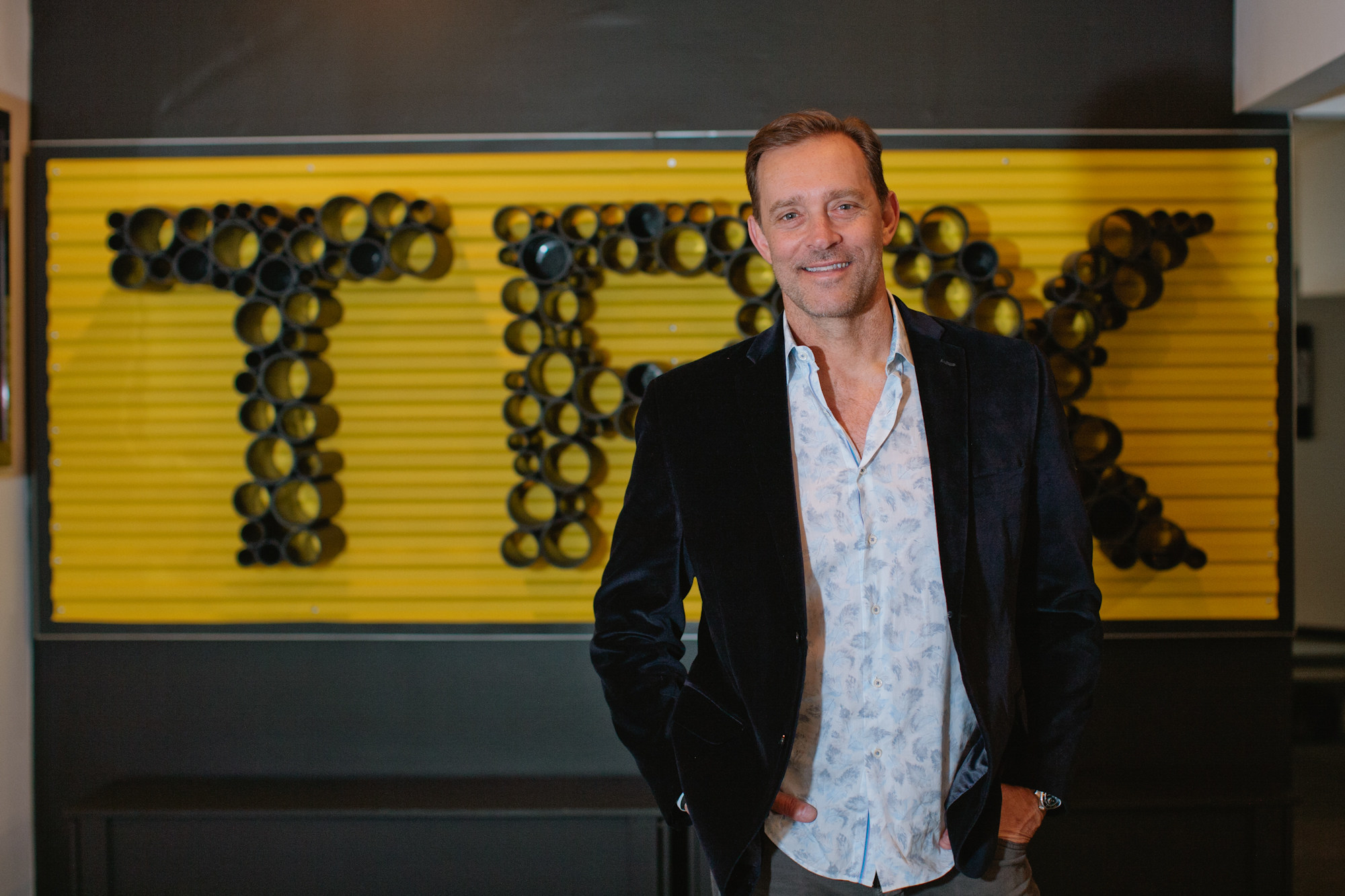
Randy Hetrick
Randy Hetrick founded TRX Training in 2004 after a 14-year career as a Navy SEAL and earning his MBA from Stanford. He invented the TRX Suspension Trainer in 1997 while deployed overseas, turning a field problem into a global fitness brand.
Randy Hetrick's Bio
Randy Hetrick is the founder and inventor of TRX, the company that turned suspension training into a global fitness category. A former Navy SEAL officer and Stanford MBA, he built TRX from a field expedient into a brand with over $50 million in revenue and 350,000+ certified trainers in 30 countries.
Before founding TRX, Hetrick spent 14 years as a Navy SEAL officer, rising to Squadron Commander of the Special Missions Unit. He attended USC, studying history and martial arts. He joined Officer Candidate School in 1988 and completed Hell Week. While deployed overseas, he improvised a suspension trainer from a jiu-jitsu belt rigged over a doorframe. He formalized the invention in 1997 while still on active duty.
Hetrick left the SEALs, earned his MBA from Stanford in 2003, and launched TRX Training the following year. He held over 30 patents and built the TRX instructor certification program. TRX made the Inc. 500 list multiple times and Outside Magazine's Best Places to Work. A manufacturing defect nearly sank the company early on, but Hetrick stabilized the business.
He led TRX for over 15 years before selling a controlling stake to private equity in 2019. Under new ownership the company filed for bankruptcy, and Hetrick partnered with Jack Daly to buy TRX back and return as CEO. Today he also runs OutFit Training, his outdoor mobile fitness franchise concept, and teaches entrepreneurship at Stanford and USC Marshall.
Career Timeline
1987 — Graduates USC
Graduates from the University of Southern California, where he rowed and studied history and martial arts.
1988 — Enters Navy SEAL Training
Attends Officer Candidate School and begins BUD/S training, completing the brutal Hell Week selection process.
1997 — Invents TRX Suspension Trainer Prototype
While deployed overseas as a Navy SEAL, improvises a suspension trainer from a jiu-jitsu belt rigged over a doorframe, the field expedient that becomes TRX.
2002 — Leaves Navy SEALs
Completes a 14-year career as a Navy SEAL officer, having risen to Squadron Commander of the Special Missions Unit.
2003 — Earns Stanford MBA
Graduates from Stanford Graduate School of Business and immediately begins building TRX.
2004 — Launches TRX Training
Officially launches TRX Training from his garage, turning the suspension trainer prototype into a manufactured product and a new fitness category.
2015 — TRX Hits $50M+ Revenue Milestone
TRX reaches over $50 million in annual revenue and more than 350,000 certified trainers across 30 countries, earning multiple Inc. 500 placements.
2019 — Sells Controlling Stake in TRX to Private Equity
Sells a controlling interest in TRX to private equity after more than 15 years as CEO, then founds OutFit Training.
2022 — Launches OutFit Training
Launches OutFit Training, an outdoor mobile fitness concept built around franchise-owned vans equipped with functional training gear that set up anywhere in minutes.
2023 — Buys Back TRX from Bankruptcy
Partners with Jack Daly to acquire TRX out of bankruptcy and returns as CEO of the company he founded.
Episodes
Advice Line: Tapping AI as a Resource for Your Business
Guy Raz hosts a special Advice Line episode where six founders reveal how they weave AI into their businesses. From Modi Toys to Raising Cane's, these entrepreneurs share concrete examples of automation and analysis that freed them to focus on what humans do best. No hype, no buzzwords—just practical insights you can apply.
Advice Line with Randy Hetrick of TRX
The HIBT Advice Line with Randy Hetrick of TRX delivers actionable, no-fluff solutions to listener fitness roadblocks. He shares adaptable bodyweight training tips for every skill level, plus strategies for building sustainable movement habits even on the busiest, most unpredictable schedules. Listeners leave with personalized, equipment-free guidance to upgrade their strength and mobility routines without expensive gym memberships.