Advice Line with Andy Dunn of Bonobos
Bonobos co-founder Andy Dunn joins Guy Raz on the Advice Line to help three early-stage founders tackle real business challenges. Michele in Connecticut seeks positioning advice for her tennis-inspired apparel brand Top Banana. Alek in Chicago wants to reach more health-conscious drinkers with his naturally-flavored vodka at Broda Beverage Company. Sabrina in Philadelphia weighs DTC versus wholesale for her handmade biscotti company House of Biscotti. Andy also shares how his latest venture, Pie, was inspired by his own struggle with loneliness after moving during the pandemic.
Listen on Spotify
Episode Recap
Intro
Andy Dunn, co-founder of Bonobos and founder of the social app Pie, joins Guy Raz to help three early-stage founders work through specific business problems. Before the calls, Andy reflects on his own journey building Bonobos into a multi-million dollar apparel brand and eventually selling to Walmart. He also discusses his mental health advocacy, his memoir Burn Rate, and how a difficult personal chapter led him to start Pie — a company focused on creating real-world friendships and community.
Caller 1: Michele & Top Banana
Michele calls from Connecticut with a tennis-inspired athletic apparel brand she started as a home-school sewing project. She needs help positioning Top Banana so it stands out in a crowded activewear market. Andy tells her to stop chasing the cheapest fabric or the flashiest claim, and instead anchor the brand on a specific customer story — the woman who loves tennis, appreciates vintage style, and wants apparel that performs without sacrificing personality. He urges her to treat the brand like a character with a point of view, not just a catalog of products.
Caller 2: Alek & Broda Beverage Company
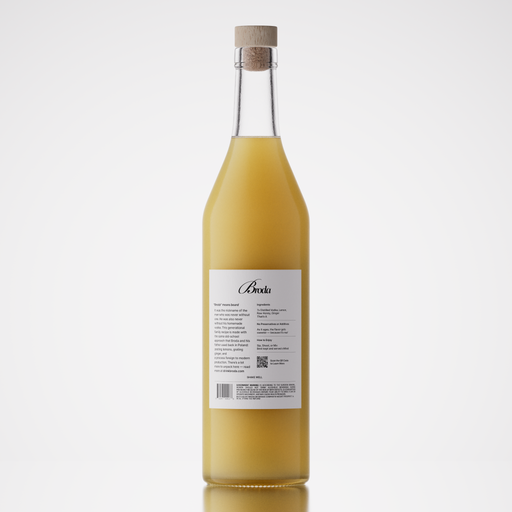
Alek from Chicago is co-founder of Broda Beverage Company, a naturally-flavored vodka brand that stresses real ingredients and transparent production. He wants to reach more health-conscious drinkers but feels the alcohol category is full of noise and greenwashing. Andy suggests leaning into the story behind the product rather than the proof points alone, because people buy trust and transparency before they buy the second bottle. He also warns Alek not to compete on price with mass-market spirits — Broda wins by being the brand with a purpose, not the brand with the cheapest shot.
Caller 3: Sabrina & House of Biscotti
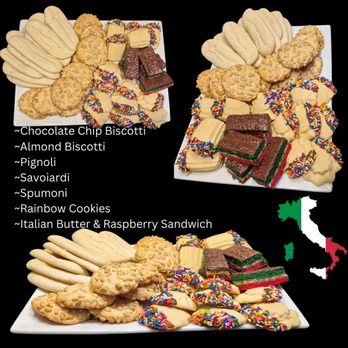
Sabrina in Philadelphia runs House of Biscotti, a biscotti company she built around handmade quality and memorable flavor combinations. She is debating whether to push into wholesale or stay direct-to-consumer. Andy pushes her toward wholesale, but not as a volume play — he sees it as a marketing channel that can validate the brand in new markets while keeping DTC as the core profit center. He cautions her that scaling distribution without controlling the narrative means handing the story to buyers who only care about margins.
Final Thought
Across all three calls, Andy brings the same lens he applied at Bonobos: the business problems are rarely about pricing or advertising, and almost always about identity, story, and who the customer believes the brand to be. He reminds founders that the companies they build are reflections of the choices they make when no one is watching, and that the clearest competitive advantage is often the hardest thing to copy — genuine conviction.
Key Takeaways
- 1Define your brand as a character, not a catalog: A clear point of view beats product breadth every time.
- 2Trust comes before repeat purchase: Health-conscious buyers buy the story before they buy the bottle.
- 3Use wholesale as marketing, not volume: DTC should stay the profit engine; retail should validate the brand.
- 4Conviction is the moat: The hardest thing to copy is genuine founder belief in what the company stands for.
Founders Featured
Andy Dunn
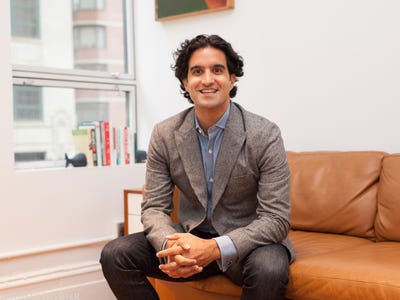
Co-founder of Bonobos and former CEO for 11 years, Andy Dunn built the digitally native menswear brand before its sale to Walmart. He is the author of Burn Rate and founder of the social app Pie.
Michelle Cosentino
Michelle Cosentino is the founder of Top Banana, a vintage-inspired tennis apparel brand for women based in Westport, Connecticut.
Alex Supak
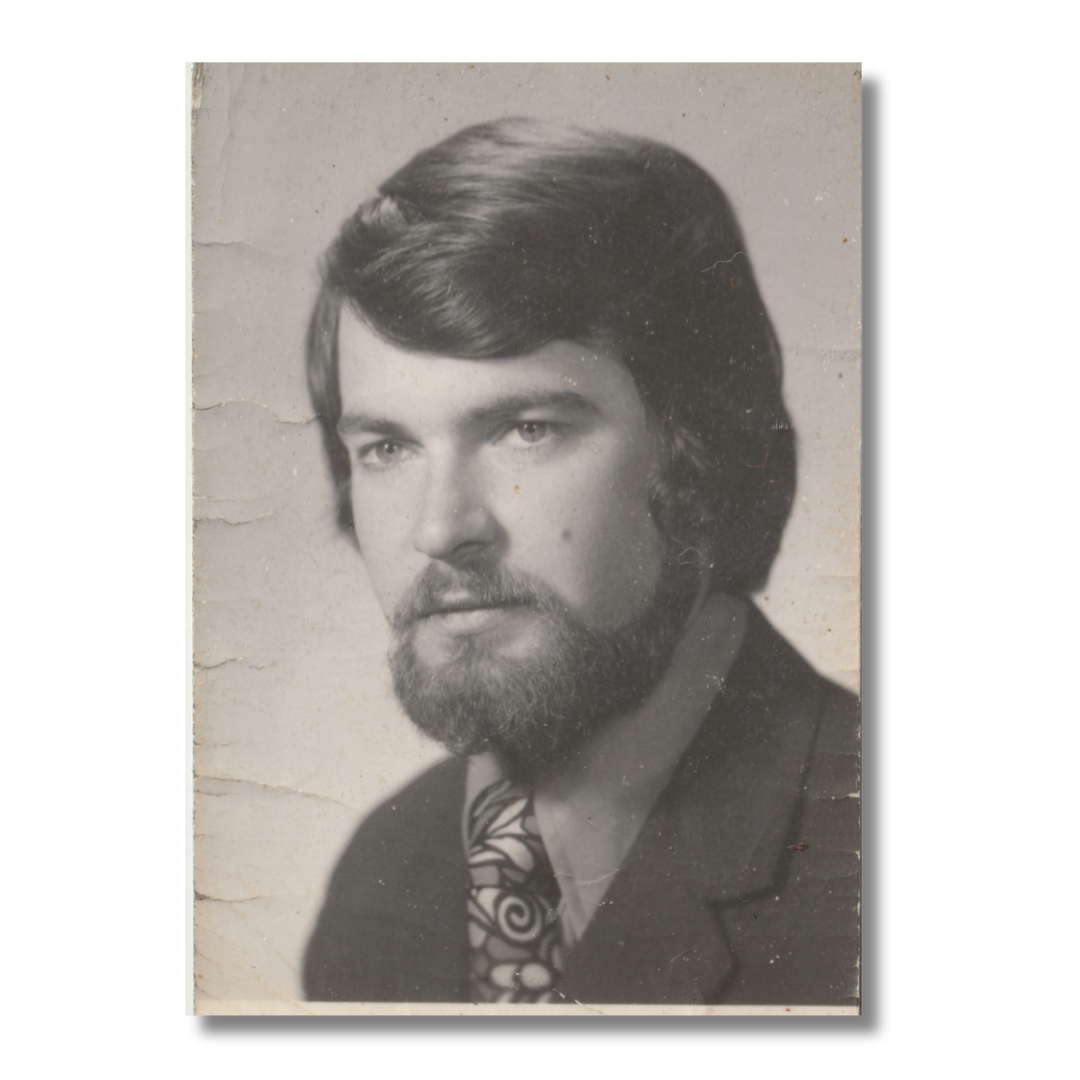
Alex Supak is the co-founder of Broda Beverage Company, an alcohol brand focused on real ingredients, high-quality production, and transparent labeling.
Sabrina Nass
Sabrina Nass is the founder of House of Biscotti, a Philadelphia-based company reinventing the classic biscotti with fun, modern flavors.
Related Companies

Bonobos
Founded in 2007, Bonobos pioneered direct-to-consumer menswear with a focus on perfect fit and exceptional customer service. The brand was acquired by Walmart in 2017 and continues to operate as a leading digitally native apparel retailer.
1 episode

Top Banana
Top Banana is a vintage-inspired tennis apparel brand for women founded by Michelle Cosentino in Westport, Connecticut. The brand blends retro tennis style with modern performance fabrics for the court and beyond.
1 episode
Broda Beverage Company
Broda Beverage Company is a Glenview, Illinois-based alcohol brand focused on real ingredients, transparent production methods, and naturally flavored vodka. The company was founded by Alex Supak.
1 episode
House of Biscotti
House of Biscotti is a Philadelphia-based company reinventing the classic Italian biscotti with modern flavors and elevated presentation. Founded by Sabrina Nass, the brand focuses on handmade quality and creative taste profiles.
1 episode