Advice Line with Scott Tannen of Boll & Branch and Jamie Siminoff of Ring
Guy Raz hosts an Advice Line episode featuring two seasoned founders giving real-time counsel to growing businesses.
Jamie Siminoff, founder of Ring (sold to Amazon for $1B), advises Melita Cyril of Q for Quinn on scaling without losing brand soul. Scott Tannen of Boll & Branch shares hard-won lessons on supply chain transparency and premium positioning.
Two founders. Two distinct challenges. Zero platitudes—just actionable advice from the trenches.
Listen on Spotify
Episode Recap
Guy Raz welcomes two founders who've built premium, mission-driven brands—and now they're paying it forward by coaching founders in the hot seat.
Caller 1: Melita Cyril (Q for Quinn)
Melita Cyril built Q for Quinn into a $3M sustainable fashion brand by focusing on transparent sourcing and timeless designs. But growth has stalled at $300K monthly revenue, and she's hitting a wall with paid ads. "Our CAC keeps climbing and our wholesale partners want discounts we can't afford," she admits. Jamie Siminoff's first question cuts to the chase: "What's the one thing your customers say about you that you can't buy?" When Melita replies "They call us the anti-fast-fashion brand that lasts," Jamie pounces: "Then why are you buying customers with ads instead of building a community that believes that?" His advice: double down on organic storytelling—daily behind-the-scenes content showing fabric sourcing, pattern making, and the women artisans who craft each piece. "Your niche is people who hate fast fashion," Jamie says. "Go where they already gather, not where you can bid for their attention."
Caller 2: Scott Tannen (Boll & Branch)
Scott Tannen launched Boll & Branch with a simple insight: luxury bedding could be ethical without sacrificing quality. Fifteen years later, the brand sells direct-to-consumer at scale, but expanding into wholesale threatens the tight supply chain control that built its reputation. "Our factory in Gujarat is certified organic, but our retail partners want faster lead times and lower costs," Scott explains. Jamie asks about unit economics. When Scott reveals that wholesale margins are 15 points lower than DTC, Jamie's advice is blunt: "Either you own the experience or you don't. If you wholesale, you're handing your brand to someone who doesn't share your values." Scott counters that wholesale gives him volume and brand awareness. Jamie suggests a hybrid: create a "Boll & Branch Essentials" line exclusively for retailers, sourced from pre-vetted partners, while keeping the core organic line DTC-only. "Your brand isn't the product—it's the story you tell," Jamie says. "Don't dilute the story."
Final Thought
Both callers walked in asking about tactics—advertising costs, wholesale terms, production speed. Both left remembering that brand integrity isn't a differentiator; it's the foundation. When you're building something meant to last, the fastest path forward is often the one that doesn't compromise what made you distinctive in the first place.
Key Takeaways
- 1Brand integrity is non-negotiable in premium positioning:** Once you promise ethical sourcing or exceptional quality, every decision must uphold that promise—especially when scaling.
- 2Your community is your cheapest and most loyal acquisition channel:** Turning superfans into advocates beats any paid ad campaign for sustainable growth.
- 3Separate your core product from your growth product:** Create distinct lines for wholesale vs. DTC to protect brand equity while still expanding reach.
- 4Answer "What do people call you?" before you scale:** If customers describe you as "the anti-fast-fashion brand," that identity must drive every strategy decision.
- 5Founder-to-founder advice cuts through the noise:** Real operational war stories from peers who've faced the same scaling dilemmas beat generic business advice every time.
Founders Featured

Scott Tannen
Scott Tannen is the founder and CEO of Boll & Branch, a luxury bedding company he launched in 2014 with his wife Missy. The brand focuses on ethical and sustainable production, and has grown to 275 employees and 15 retail locations.
Jamie Siminoff
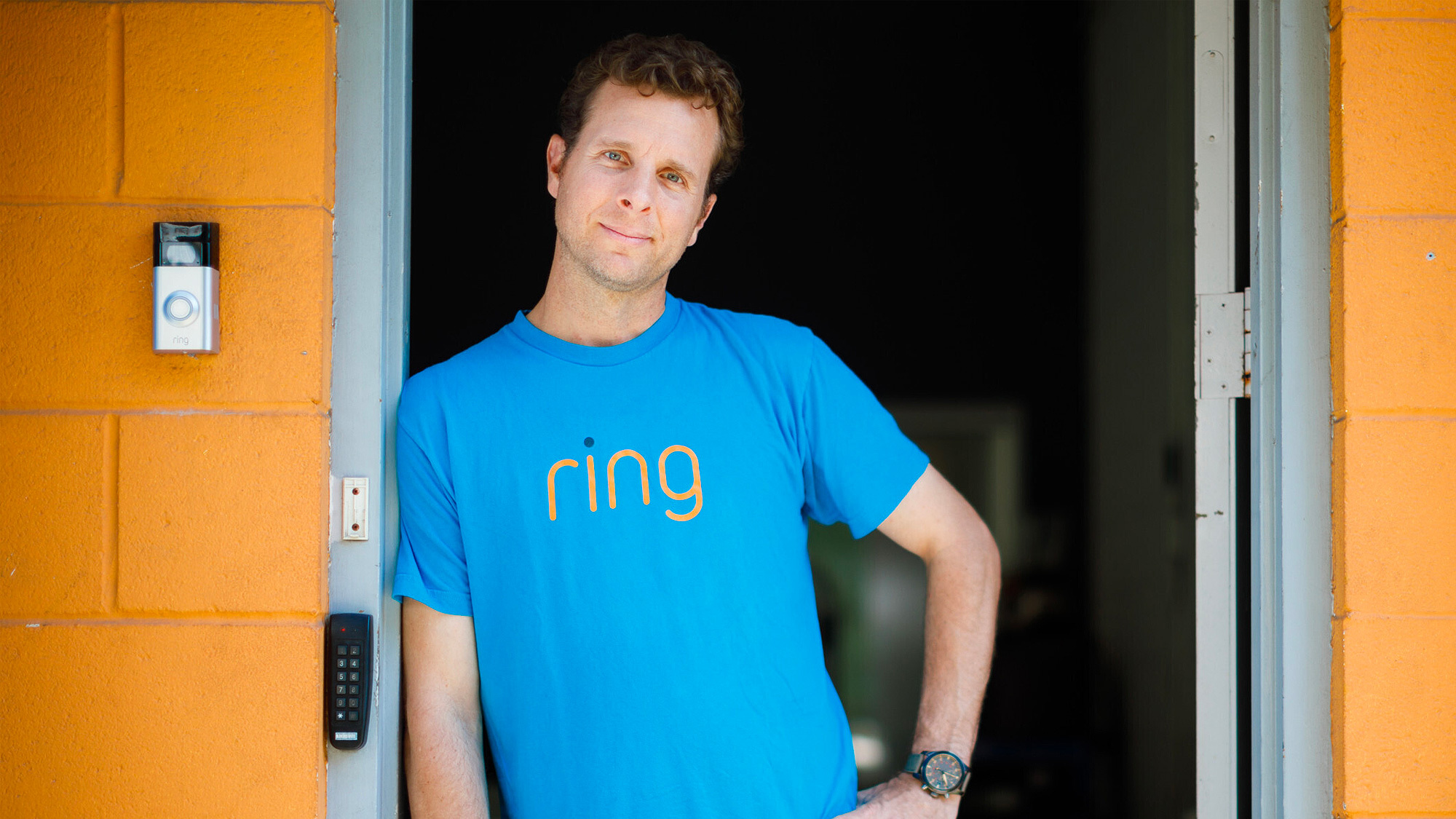
Jamie Siminoff is the founder and CEO of Ring, the smart home security company he started in his garage in 2013. A Babson College graduate and lifelong inventor, he sold Ring to Amazon in 2018 and has since returned to lead the company's next chapter.
Melita Cyril
Melita Cyril founded Q for Quinn to create organic, chemical-free socks and underwear after her son's eczema. A Rotman MBA and former derivatives trader/management consultant, she now leads the family business with her husband Nigel (COO). Mother of three, she builds healthy, sustainable essentials.
Related Companies

Boll & Branch
Boll & Branch is a luxury bedding company that sells organic cotton sheets and towels online. Founded in 2014, the company prioritizes thread quality over count and manufactures its products in India. It was the first bedding brand certified by Fair Trade USA.
1 episode
Ring
Protect your home with savings up to 50%. Meet Ring’s 2 all-new outdoor cameras featuring Retinal 2K. Free shipping and free returns on all US orders. Smart video doorbell with glowing blue ring mounted beside a green front door and silver deadbolt,
2 episodes
Q for Quinn
Q for Quinn is a sustainable apparel company crafting GOTS-certified organic cotton and merino wool socks, underwear, and basics for all ages. Based in Toronto, the brand creates eco-friendly essentials while donating a meal with every purchase.
1 episode