Advice Line with Tim Ferriss
Guy Raz and Tim Ferriss open the Advice Line to three founders at different inflection points. Lauren Menard is torn between a national venue deal and DTC growth for her mycelium earplug company. Emily Bordner's viral moment with Taylor Swift has wholesale taking off but she doesn't know where to focus. Kimberly Becker is testing the waters on pre-orders for her sustainable women's clothing brand. Tim pushes each caller past the obvious trade-off toward an experiment they can actually run.
Listen on Spotify
Episode Recap
Guy Raz teams up with Tim Ferriss on the Advice Line to tackle three real founder questions. Lauren Menard runs a mycelium-based biodegradable earplug company and can't decide whether to double down on her music venue partnership or grow DTC. Emily Bordner's women's accessories brand went viral after Taylor Swift wore one of her rings and she's wrestling with the same trade-off. Kimberly Becker is a Maine-based fashion designer trying to shift from inventory to a pre-order model without scaring off customers.
Caller 1: Lauren Menard & Gob
Lauren Menard founded Gob to replace petroleum-based foam earplugs with mycelium grown into shape. She's already in a national deal with a major venue owner and building DTC through sleep-focused customers. Tim's advice: let the venues fund you while you figure out DTC. He suggested using the partnership revenue as runway to experiment without the pressure of immediate returns. Lauren raised a pre-seed last year and is raising a seed round now. She's also thinking about airlines — business class amenity kits are a natural fit and several of her investors came in after finding Gob products in those kits.
Caller 2: Emily Bordner & EB & Co
Emily Bordner runs a women's accessories brand out of Kansas City — earrings are 50% of her business by category. When Taylor Swift wore a Travis Kelce-themed ring she designed at the AFC Championship, her sales jumped 50% year-over-year. Her wholesale channel grew over 300% but still only accounts for 13% of revenue. Tim asked the hard question: what's the profit picture, not just the revenue picture? He suggested a six-to-twelve-month focused sprint on wholesale while keeping the stores running. Emily could also bring on part-time help for wholesale and hit trade shows — no booth needed, just samples and conversations.
Caller 3: Kimberly Becker & K. Becker Designs
Kimberly Becker designs sustainable women's clothing for women over 40, sourcing deadstock fabric from Japan and Italy, manufacturing in New York. She's doubled sales year one to year two and is at roughly $200,000 run rate. She wants to shift to pre-orders to eliminate inventory risk but worries American shoppers won't wait. Tim pointed to Proper Cloth — a menswear brand that built a decade-long business on made-to-order shirts starting from a tiny apartment. He recommended reframing the question as an experiment: limited drops that make the wait a feature, not a bug, and testing the language — "made to order" might land better than "pre-order."
Final Thought
Tim closed with two pieces of advice he'd give his younger self: there's no single right way to build a business, and don't let the business become your whole identity. He also flagged mental health — get outside, see sunlight, spend time with people — as something founders systematically underinvest in.
Key Takeaways
- 1Let revenue from one channel fund experiments in another: Use the income stream that's already working to buy yourself runway to test the uncertain one.
- 2Reframe binary choices as time-boxed experiments: Instead of choosing between A and B, commit to one path for six months and decide after data, not anxiety.
- 3Trade shows work without a booth: Carrying samples and having conversations gets you wholesale deals faster than cold outreach.
- 4Pre-order anxiety is a language problem, not a customer problem: 'Made to order' frames the wait as intentional craftsmanship rather than a supply chain failure.
- 5Don't tie your self-worth to a single business outcome: Multiple concurrent projects insulate you when any one of them hits a rough patch.
More from Lauren Menard, Emily Bordner, Kimberly Becker, Tim Ferriss, Guy Raz
Founders Featured
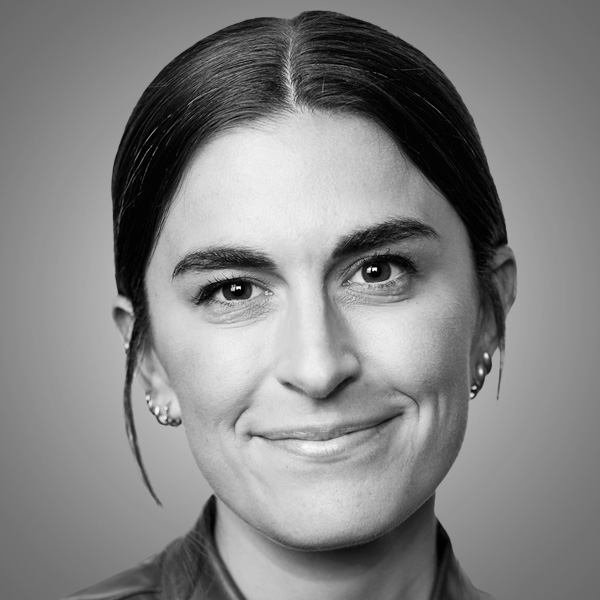
Lauren Menard
Lauren Menard is the CEO and co-founder of GOB, a compostable earplug company built from mycelium. Based in Oakland, she previously worked as a bio-designer at Baukunst and PROWL Studio.
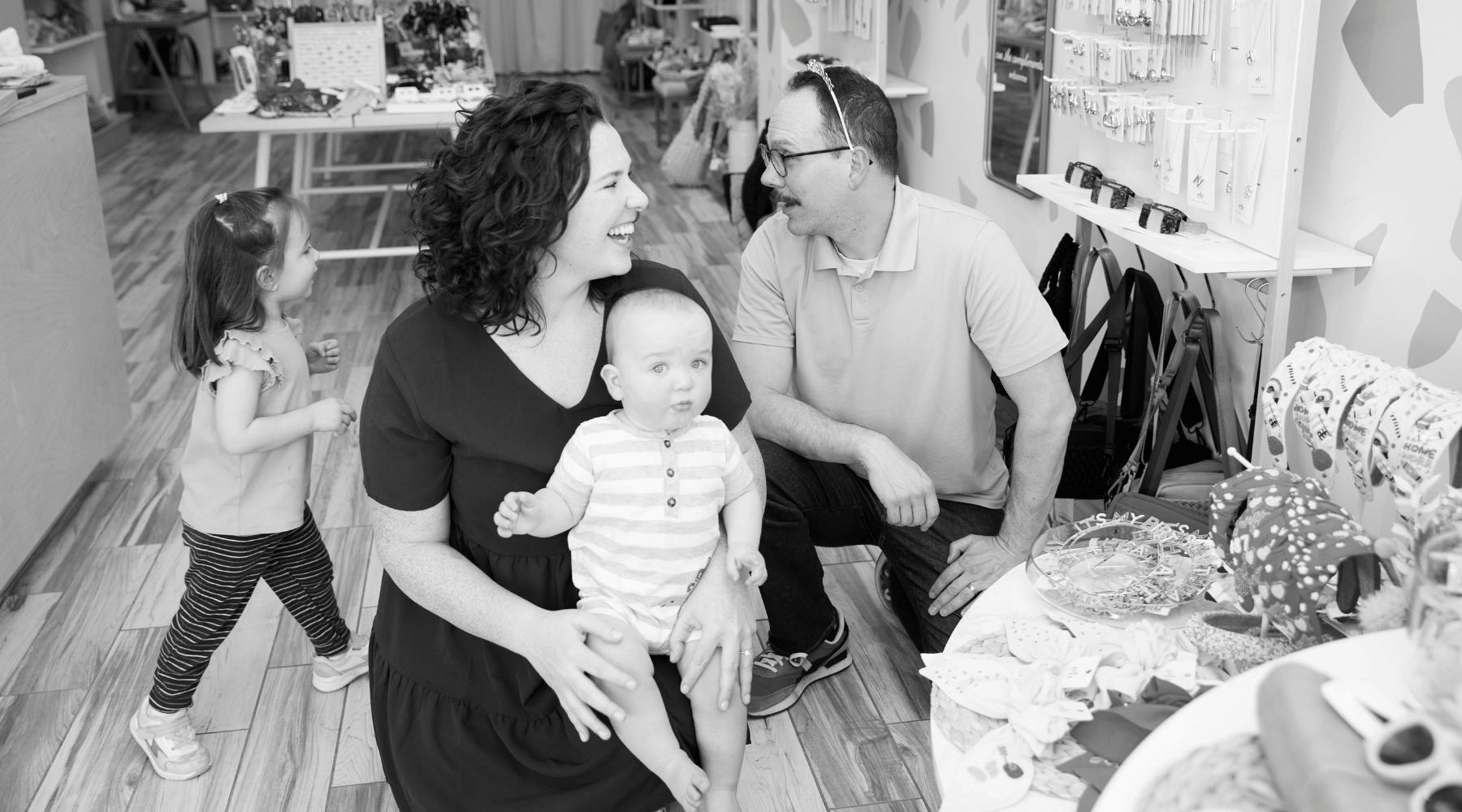
Emily Bordner
Emily Bordner is the founder and creative director of EB&Co, a Kansas City-based women's accessories brand specializing in sizeless gifting. She launched the brand in 2012 after earning her MBA at Rockhurst University and working as a visual merchandising designer at Hallmark.
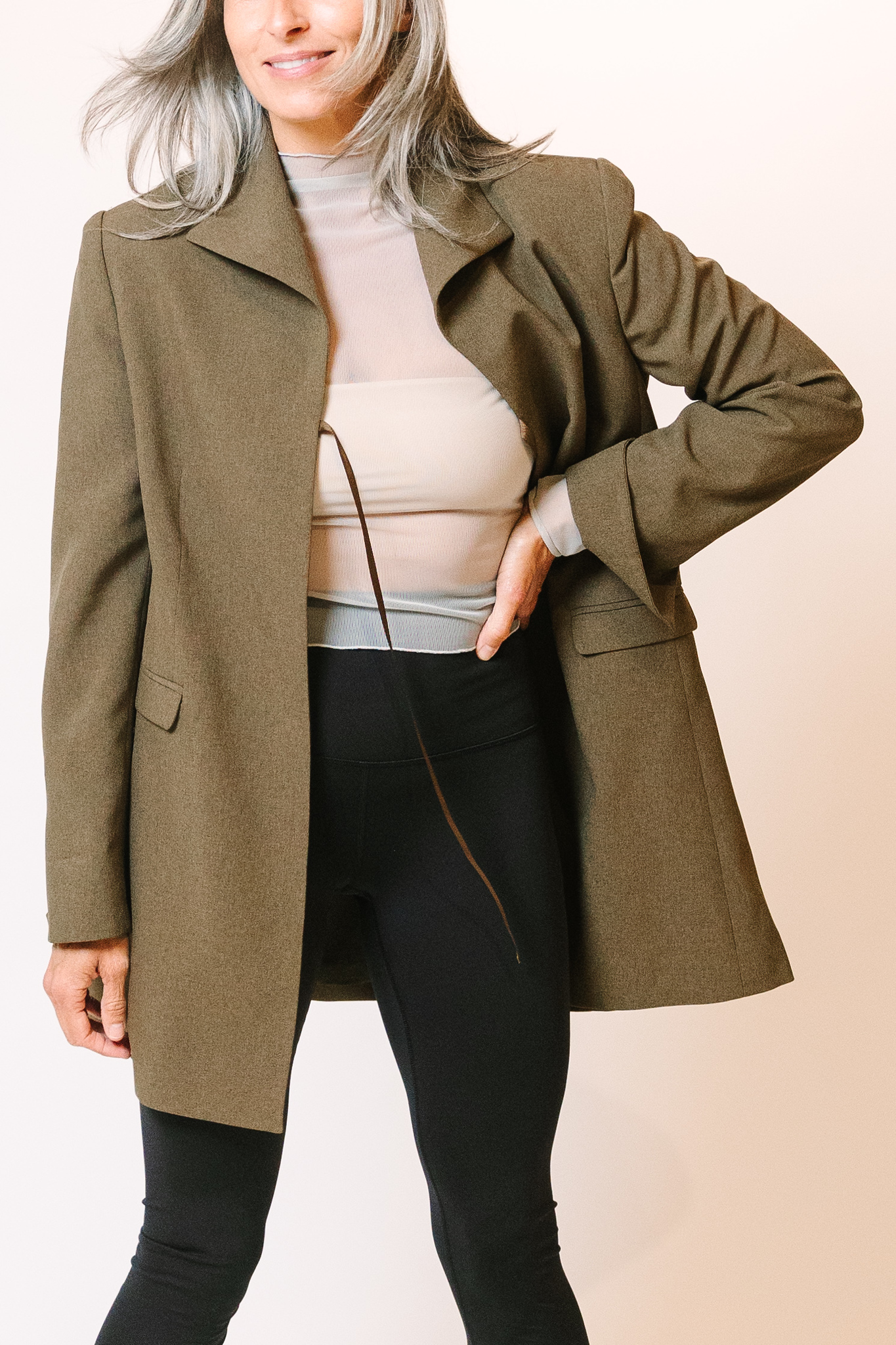
Kimberly Becker
Kimberly Becker is the founder and designer of K. Becker Designs, a slow-fashion clothing brand for women over 40 based in Woolwich, Maine. A RISD graduate in textile design, she spent a decade working in Manhattan garment district before launching her own label.
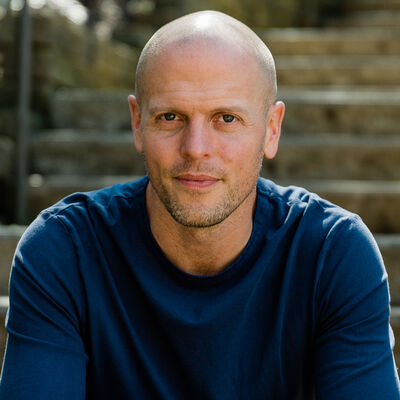
Tim Ferriss
Tim Ferriss is the author of five #1 New York Times bestsellers and the host of The Tim Ferriss Show, downloaded over one billion times. Based in Austin, Texas, he is also an early-stage investor and founder of the Saisei Foundation.

Guy Raz
Guy Raz is the creator and host of NPR's How I Built This, and founder of Built-It Productions and Tinkercast Media. A former NPR Berlin bureau chief and Pentagon correspondent, he has earned a Nieman Fellowship at Harvard and an Edward R. Murrow Award for his investigative journalism.
Related Companies
Gob
GOB makes single-use earplugs from lab-grown mycelium, the root structure of mushrooms. The San Francisco company sells plastic-free, compostable earplugs for concerts and sleep, and appeared on Shark Tank Season 17.
2 episodes
EB & Co
EB and Co. is a modern accessories brand and fashion boutique founded by Emily Bordner, offering jewelry, handbags, leather goods, and hair accessories from Kansas City locations in Brookside, County Club Plaza, and Crown Center.
2 episodes

K. Becker Designs
K. Becker Designs is a women-owned clothing brand founded by RISD graduate Kimberly Becker. The company creates comfortable, flattering women's apparel produced in U.S.-based cooperatives with a focus on slow fashion and sustainability.
2 episodes
Tim Ferriss Show
The Tim Ferriss Show is a podcast hosted by author and entrepreneur Tim Ferriss. Each episode deconstructs top performers from investing, sports, business, and art to extract their tactics and routines. The show has passed one billion downloads and was named to Best of Apple Podcasts three times.
2 episodes
How I Built This
How I Built This is an American podcast hosted by Guy Raz that interviews the world's best-known entrepreneurs about how they built their iconic brands.
1 episode