Advice Line with Tony Xu of Doordash
On this episode of How I Built This, Guy Raz sits down with Tony Xu, the co-founder and CEO of DoorDash. Tony Xu shares the story of how he and his co-founders launched the company from a simple idea in a Stanford dorm room and grew it into a multi-billion-dollar food delivery platform. Also joining the conversation are Ron Khormaei of Steelport Knife Co. and Kathryn Shah of Spring & Mulberry, who each share their own entrepreneurial journeys and ask Tony for advice on scaling their businesses.
Listen on Spotify
Episode Recap
Tony Xu, co-founder and CEO of DoorDash, joins Guy Raz on the Advice Line to share his entrepreneurial expertise with two callers who are working to grow their own businesses.
Ron Khormaei: Scaling a Craft Knife Business
Ron Khormaei of Steelport Knife Co. asks Tony about scaling a handcrafted manufacturing business while maintaining quality and brand identity. Tony advises on building supply chain infrastructure, investing in automation where it makes sense without losing the craftsmanship that differentiates the brand, and maintaining direct customer relationships as the business grows.
Tony shares specific lessons from DoorDash's growth, including the importance of solving real customer pain points before expanding, using data to make informed decisions about market entry, and maintaining service quality even as the platform scales to millions of users. He emphasizes that for hardware and physical product businesses, supply chain management is critical and should be prioritized early.
Kathryn Shah: Growing a Health-Conscious Chocolate Brand
Kathryn Shah of Spring & Mulberry seeks advice on expanding a date-sweetened chocolate brand beyond its core market. Tony shares insights on using data to understand customer preferences, expanding distribution through food delivery platforms, and balancing growth with maintaining product quality and brand values.
Tony discusses the unique challenges of food businesses, including shelf life, distribution logistics, and maintaining consistency across different markets. He also touches on the importance of brand storytelling and how a clear mission can help a food brand stand out in crowded retail environments.
Insights from Tony Xu
Tony shares lessons from building DoorDash from a Stanford dorm room project into a leading food delivery platform, including the importance of solving real customer pain points, the value of local market expertise, and how to navigate the challenges of rapid scaling while maintaining service quality across thousands of cities. He reflects on the company's early days, the importance of customer feedback in influencing the product, and the balance between aggressive growth and sustainable operations.
Key Takeaways
- 1Solve real customer pain points: Focus on solving real, identifiable problems for customers rather than creating solutions in search of a problem.
- 2Invest in supply chain early: For manufacturing and physical product businesses, building supply chain infrastructure early helps maintain quality as you scale.
- 3Use data to guide expansion: Leverage customer and operational data to make informed decisions about where and how to expand your business.
- 4Maintain direct customer relationships: Keep direct connections with customers even as you grow, as they provide the most useful feedback for product and service improvements.
- 5Balance automation with craftsmanship: When scaling a craft-based business, invest in automation that supports—rather than replaces—the quality and identity that make your product special.
Founders Featured

Tony Xu
Tony Xu is the co-founder and CEO of DoorDash, America's largest food delivery service. The Chinese-American billionaire arrived in the U.S. at age five, studied computer science at Stanford, and launched DoorDash in 2013.
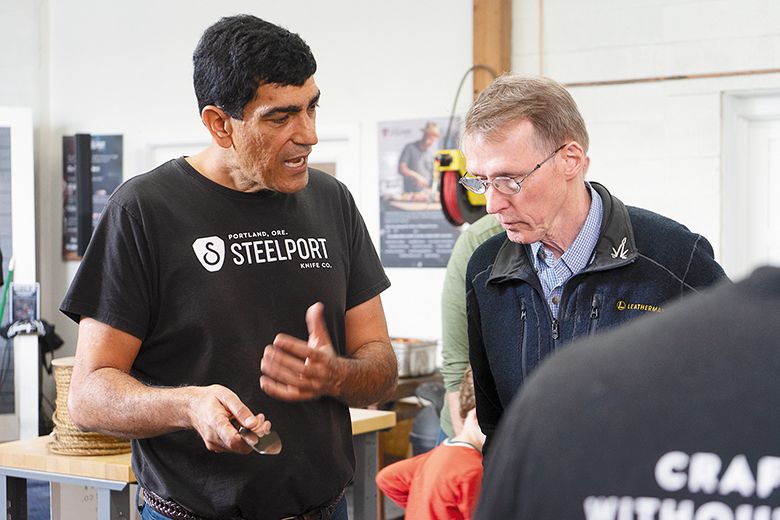
Ron Khormaei
Ron Khormaei is the founder and CEO of Steelport Knife Co., a company reintroducing American-forged cutlery. With a PhD in electrical engineering, he blends technical precision with culinary passion to craft heirloom-quality knives.

Kathryn Shah
Kathryn Shah co-founded Spring & Mulberry, a chocolate company crafting bars sweetened with dates. After her breast cancer diagnosis, she turned her health journey into a mission to create nourishing treats. The Raleigh-based startup has been featured in Goop, Forbes, and Vogue.
Related Companies

doordash
DoorDash is a technology company. It runs a food delivery platform. The service connects local restaurants, delivery workers, and takeout customers across the United States and a small set of international markets. It launched in 2013.
1 episode

steelport knife co.
Steelport Knife Co. Builds kitchen knives and cutlery. A collective of several founders launched the brand, each bringing their own hands-on blade-making experience. No specific public details about the founding team’s individual backgrounds are on record. Their products are designed for both home cooks and working kitchen staff. Every item prioritizes function over flash.
1 episode

spring and mulberry
Spring and Mulberry is a bean-to-bar chocolate company known for date-sweetened chocolate bars and handmade, allergen-free treats. Founded by Kathryn Shah and Sarah Bell in Raleigh, North Carolina, the company crafts premium chocolate without refined sugar using dates and natural sweeteners.
1 episode