Dr. Dennis Gross Skincare: Dennis and Carrie Gross
When a last-minute pandemic acquisition deal collapsed, dermatologist Dennis Gross and his wife and co-founder Carrie Gross feared they’d lose the brand they built from his New York practice. The pair bootstrapped Dr. Dennis Gross Skincare for over two decades after perfecting a non-irritating chemical peel formula that filled a 1990s skincare gap, growing the line into a $450 million Shiseido acquisition. Their story reveals how clinical expertise and spousal partnership can turn a niche clinic side project into a global beauty powerhouse.
Listen on Spotify
Episode Recap
This episode of How I Built This features a conversation with dermatologist Dennis Gross and his wife Carrie Gross, co-founders of Dr. Dennis Gross Skincare, tracing the 25-year arc of their brand from a New York clinic side project to a $450 million acquisition by cosmetics giant Shiseido.
Early Innovation and Bootstrapped Growth
Back in 1990s New York, chemical peels were a booming trend among affluent women, but the treatments frequently left skin blotchy, red, and irritated. Dennis, who had just launched his own Manhattan dermatology practice, developed a custom, gentle peel formula that delivered the same anti-aging and skin-smoothing benefits without harsh side effects, and it quickly became the most requested treatment in his clinic.
Carrie, who worked as a Nordstrom fashion buyer at the time, met Dennis by chance in the elevator of their shared Third Avenue apartment building in the early 90s. Dennis was so taken with her that he called the building doorman Orlando after their ride to ask about her, sparking both a romantic and eventual business partnership. For the first 20 years of the brand, the couple funded all operations exclusively out of Dennis's clinic income, bootstrapping the business slowly as they built out a product line rooted in his medical formulations.
Pandemic Crisis and Near Collapse
The episode details a make-or-break moment for the brand in the early days of the COVID-19 pandemic, when a pending acquisition deal was pulled overnight as Sephora closed all its retail locations and Dennis's clinic was forced to shut down to comply with public health mandates. Carrie recalled hitting the floor in disbelief, convinced the company they had spent decades building was at risk of folding.
Viral Breakthrough and Major Acquisition
The brand gained massive mainstream traction in the 2010s, when its plastic red-and-blue LED light therapy face mask went viral on TikTok, with its glowing, space-age design making it a staple of social media skincare content and introducing Dr. Dennis Gross Skincare to Gen Z and millennial consumers.
That viral growth, paired with decades of built-in credibility from Dennis's status as a practicing board-certified dermatologist, positioned the brand for a high-value exit, and in 2023, Shiseido acquired Dr. Dennis Gross Skincare for $450 million. The pair closes the episode looking back on how their chance elevator meeting in the early 90s laid the foundation for both their lifelong personal partnership and their shared entrepreneurial success.
Key Takeaways
- 1Use core practice revenue to bootstrap: Dr. Dennis Gross Skincare was fully self-funded for its first 20 years, with all early growth capital coming directly from earnings from Dennis's New York dermatology practice, avoiding early dilution and maintaining founder control.
- 2Test products with core audiences first: The Grosses validated the signature peel formula with Dennis's existing dermatology patients before launching a mass-market consumer version, reducing early product risk and ensuring the formula delivered on its promised results.
- 3Keep the founder's voice central: Even as the brand scaled to Sephora and beyond, Dennis continued formulating products himself and testing them in his clinic, preserving the scientific credibility that made the brand distinctive.
- 4Prepare for near-death moments: The brand faced existential threats twice—after 9/11 disrupted New York retail, and again when the pandemic forced Sephora to close and a major acquisition deal collapsed—showing why resilient cash flow and founder commitment matter.
Founders Featured
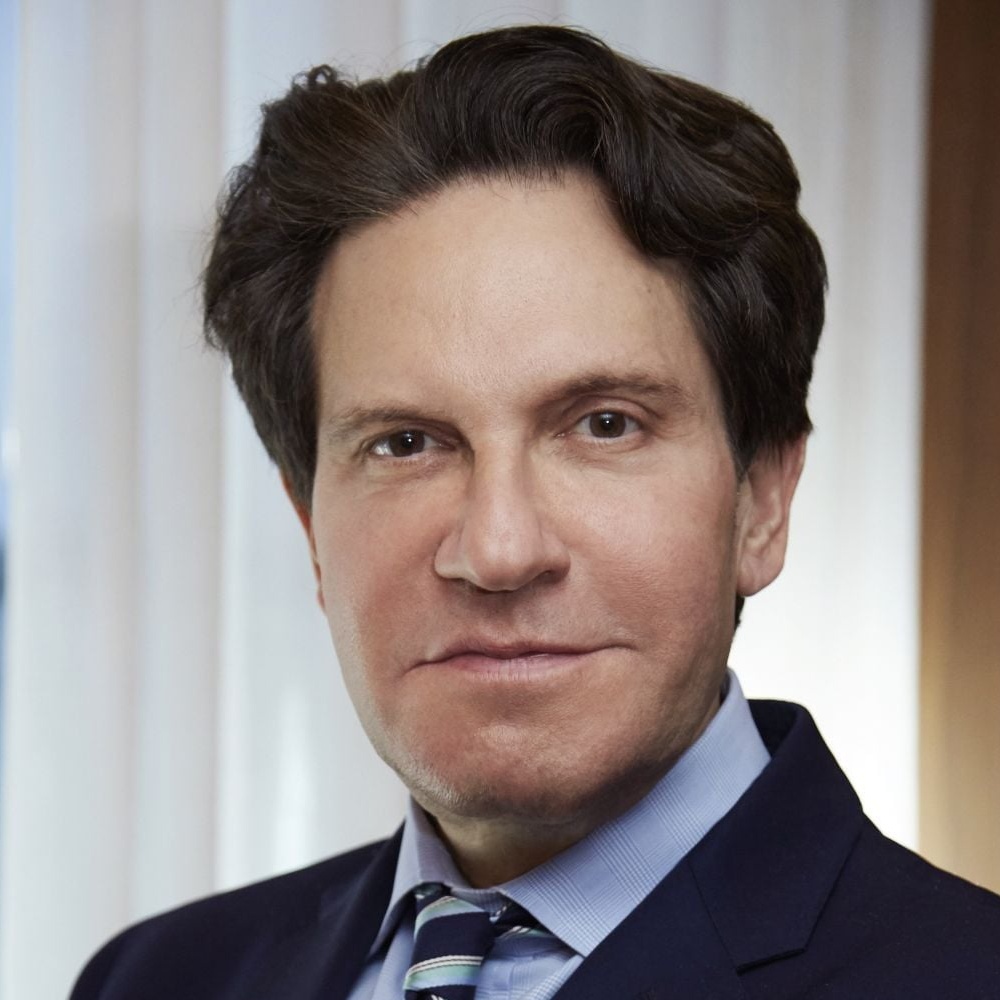
Dennis Gross
Board-certified dermatologist and co-founder of Dr. Dennis Gross Skincare, the award-winning brand he launched in 2000 and sold to Shiseido for $450 million in 2023.

Carrie Gross
Co-founder and Chief Creative Officer of Dr. Dennis Gross Skincare, the award-winning skincare brand she launched with her husband Dr. Dennis Gross in 2000.