Mrs. Meyer's Clean Day: Monica Nassif
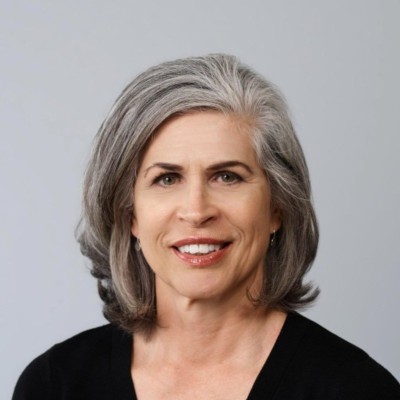
Guy Raz sits down with Monica Nassif to unpack how she launched an upscale cleaning brand, then intentionally knocked herself off with a mass-market alternative named after her mom. Mrs. Meyer's Clean Day grew from a Minneapolis startup into a household name in Target and Whole Foods, proving that elegant design and relatable storytelling can scale from a single pallet to a category giant.
Listen on Spotify
Episode Recap
Monica Nassif didn't set out to build a cleaning empire. She was burned out from running a small creative marketing agency in Minneapolis when she noticed household cleaning products were boring and indistinguishable. With seed funding, she launched Caldria, an upscale line sold in gift shops and white-labeled for Williams-Sonoma. The products worked, but the price tag kept them out of big-box stores. Rather than wait for someone else to copy her idea at a lower price, Monica decided to knock herself off.
Creating a Brand That Wasn't Afraid of Its Own Reflection
She developed a second line with the same clean aesthetic and exotic fragrances but priced for Target and Walmart. Naming the brand after her mother, Delma Meyer, was both a tribute and a marketing masterstroke. Delma was a no-nonsense Iowa homemaker who raised nine kids, and she became an accidental mascot when Monica brought her to trade shows and Whole Foods. Shoppers didn't just buy soap; they bought into a real person's story.
From a Single Pallet to Every Shelf in America
By the mid-2000s, Mrs. Meyer's was in Target and Whole Foods and growing fast. Monica attributes the brand's success to relentless work ethic and knowing the retail industry inside out from her years at Dayton-Hudson and running Kilter. When S.C. Johnson acquired both Caldria and Mrs. Meyer's, the brand instantly gained distribution muscle that Monica couldn't match on her own. The acquisition wasn't just financial; it validated that a founder-built brand could scale globally without losing its soul.
Today, Monica still can't resist straightening Mrs. Meyer's bottles on store shelves. She also learned that launching a second brand doesn't mean abandoning the first; it means protecting the line by owning the price points yourself. And sometimes the most powerful brand asset isn't a logo or a bottle—it's a mother willing to pose as the face of the product.
Key Takeaways
- 1Knock yourself off before someone else does: Monica launched Mrs. Meyer's because she knew someone would eventually copy Caldria at a lower price. Controlling both the luxury and mass-market versions let her protect the category.
- 2Make the founder's story part of the product: Naming the brand after her mom and using Delma as a mascot turned a soap bottle into a relatable narrative that stood out on crowded shelves.
- 3Know when to sell and when to stay: Monica stayed on as CEO after the S.C. Johnson acquisition to honor the brand, then left when she realized her creativity was fading. Knowing your own limits is a leadership strength.
- 4Distribution is a force multiplier: Mrs. Meyer's growth accelerated the moment S.C. Johnson placed it in Walmart and Target, showing that great products still need scale infrastructure to reach full potential.