Poppi: Allison and Stephen Ellsworth. From Farmers Market Vinegar Drink to $2B Soda Sensation
Allison and Stephen Ellsworth transformed a simple farmers market vinegar tonic into Poppi, a functional soda brand now worth $2 billion. They cracked the code on making apple cider vinegar delicious—bottling gut-health benefits in flavors people actually crave. After years of grassroots selling, their breakthrough came when they stopped chasing trends and started building real community around wellness. The result: a beverage that's neither compromise nor cure-all, but a smarter choice that finally made functional drinks mainstream.
Listen on Spotify
Episode Recap
Allison and Stephen Ellsworth didn't set out to build a $2 billion beverage company. They just wanted to feel better. A chance encounter with apple cider vinegar at a Texas farmers market sparked an idea: what if wellness could actually taste good?
The Accidental Tonic
In 2014, Allison was battling chronic pain and inflammation when a wellness practitioner suggested daily apple cider vinegar shots. The benefits were real, but the taste was brutal. Stephen, ever the problem-solver, started mixing vinegar with fruit juices and herbs in their kitchen, trying to mask the acridity without dumping in sugar. What emerged was something unexpected. A genuinely delicious, functional drink that felt like a treat, not medicine. They started bottling it under the name Poppi and selling at local farmers markets. The response was enthusiastic but niche. Most customers were already health-conscious shoppers; the broader market remained skeptical of anything that promised health benefits in a soda can.
Finding Product-Market Fit
For three years, Poppi stayed a curiosity. A premium tonic sold in small batches. Then came two developments that reshaped everything. First, Allison appeared on Shark Tank in 2018. Though they walked away from a deal (the Ellsworths refused to give up equity), the national exposure introduced Poppi to mainstream America. Second, and more importantly, they rethought their distribution strategy. Instead of chasing traditional soda distributors, they targeted natural grocery chains first, at places like Whole Foods, Sprouts, and Erewhon, where early adopters already shopped. This created a halo effect: being "the healthy soda" in premium stores gave them credibility to expand into conventional grocers later. The real breakthrough came when they realized they weren't selling a vinegar drink. They were selling a better-for-you soda that happened to contain vinegar.
Building at Scale
Going from farmers market to national shelves required more than better bottling equipment. The Ellsworths faced a classic growth puzzle: how to scale production while maintaining the homemade quality that made Poppi special. They invested heavily in supply chain, securing direct relationships with apple orchards for consistent cider vinegar quality, and in R&D to perfect their flavor profiles. But their most unconventional move was doubling down on direct consumer engagement even as retail expanded. While competitors poured money into broad media buys, Poppi built a cult following on Instagram and TikTok, sharing behind-the-scenes moments, user-generated recipes, and the founders' personal wellness journeys. This authenticity became their marketing engine.
The Acquisition That Changed the Game
In 2022, Poppi was acquired by PepsiCo in a deal valued near $2 billion. For the Ellsworths, it was the culmination of a decade-long bet on consumer shifts. That people would actively seek out beverages with functional benefits if those benefits didn't require sacrifice. For PepsiCo, Poppi represented a lifeline to a generation that had largely abandoned soda altogether. The acquisition signaled that legacy beverage giants could no longer build better-for-you brands from within; they had to buy the authenticity they couldn't manufacture.
The Poppi story illustrates how lasting brands emerge not from chasing trends, but from solving genuine problems with unwavering consistency. Allison and Stephen didn't just create a product. They created a category bridge, making functional beverages accessible without compromising on taste or transparency.
What sticks is how they navigated the tension between artisanal credibility and mass scalability. A tightrope walk most startups never master.
Key Takeaways
- 1Start with a real health problem: Allison's chronic pain led her to apple cider vinegar, and Stephen's ingenuity turned a bitter tonic into something delicious—solving a genuine personal struggle beats chasing trends every time.
- 2Validate in niche markets first: Poppi spent years at farmers markets and natural grocers before mainstream retail. This built a loyal base and proved demand without massive upfront spend.
- 3Reframe your product positioning: They stopped selling "vinegar drinks" and started selling "better-for-you soda." The product stayed the same; the narrative changed everything.
- 4Authenticity outspends big budgets: While competitors poured money into ads, Poppi built a cult following on TikTok and Instagram by sharing real moments—no polished corporate voice required.
- 5Supply chain is your secret weapon: Direct apple orchard partnerships ensured quality at scale. Most startups overlook this; the Ellsworths made it their moat.
Founders Featured
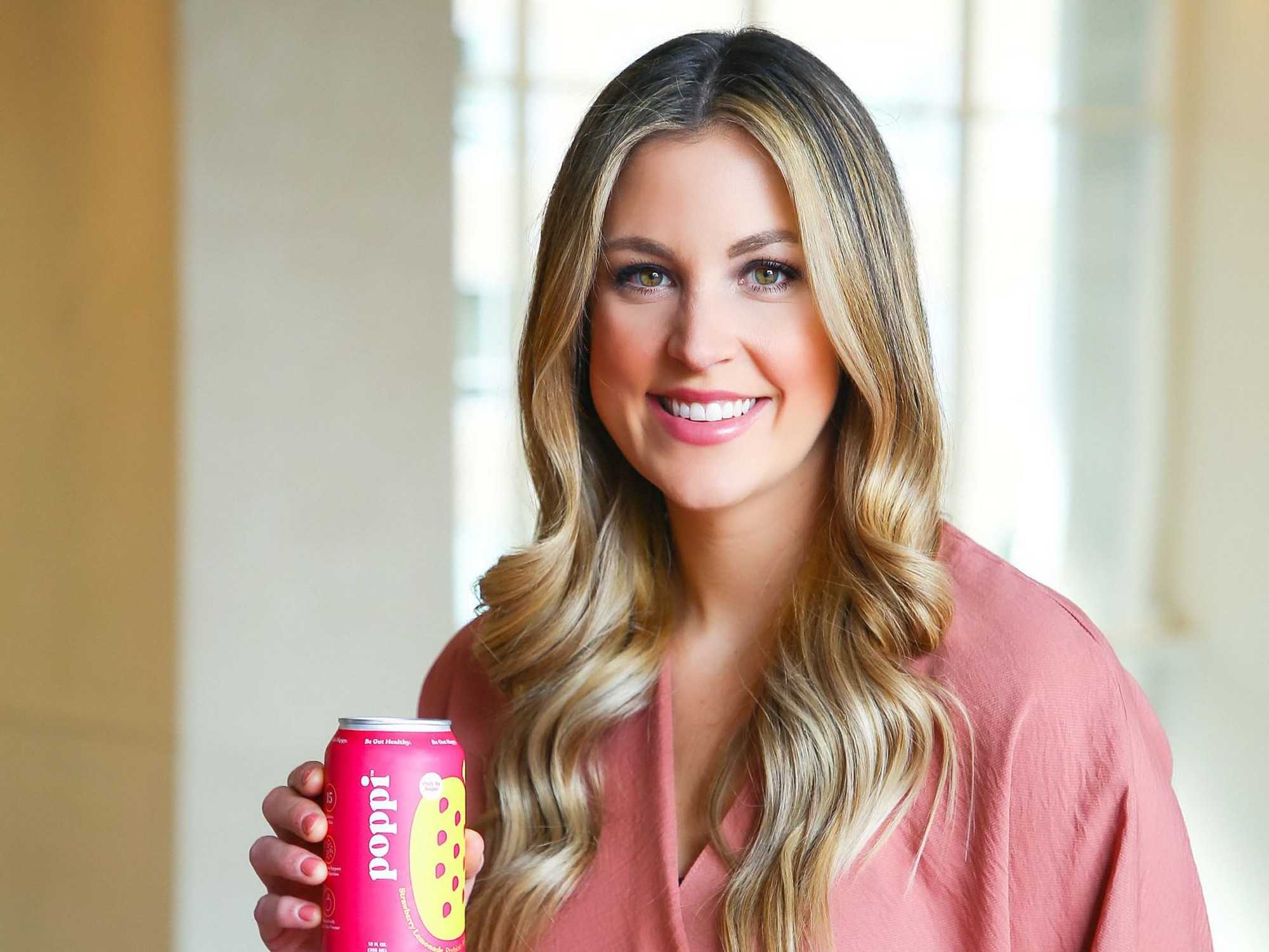
Allison Ellsworth
Allison Ellsworth is the Co-Founder and Chief Brand Officer of Poppi, a prebiotic soda brand she created in her Dallas kitchen. A University of North Texas graduate, she turned her homemade recipe into a national brand acquired by PepsiCo.

Stephen Ellsworth
Stephen Ellsworth co-founded Poppi with his wife Allison, turning a homemade apple cider vinegar recipe into a prebiotic soda brand sold to Pepsi for nearly $2 billion. As Founder & Chief Product Officer, he led product innovation from Dallas kitchen to global distribution.