Shep and Ian Murray: Vineyard Vines. A Stale Product Transforms into a Lifestyle Brand.
Two brothers turned a dying product category into a half-billion dollar lifestyle empire by selling not ties, but a feeling. Shep and Ian Murray built Vineyard Vines from scratch, capturing the essence of Martha's Vineyard summers in every stitch. Their journey from corporate drudgery to brand builders shows how emotional connection can transform even the most stale markets.
Listen on Spotify
Episode Recap
Shep and Ian Murray had what many would consider good jobs in Manhattan—advertising and public relations, stable incomes, respectable careers. But both felt the same hollow ache every time they rode the train home, asking each other the same question: when will we quit? Their escape wasn't a sudden epiphany but a slow-burning realization that adulthood felt inauthentic, that the three-month summer vacations of childhood were gone, and that they were spending their days writing press releases for products they didn't care about. What they didn't know was that a family trip to Anguilla would change everything.
The Feeling, Not The Product
The Murray brothers didn't set out to start a tie company. They set out to bottle a feeling—that specific New England summer freedom of Martha's Vineyard, where street signs have a distinctive shape, whales swim between islands, and life moves at a slower pace. While other tie companies focused on function or status symbols, Vineyard Vines would sell identity. The prints weren't random; they were maps, whales, street signs from Oak Bluffs and Edgartown. The price point would sit between cheap novelties and luxury brands like Hermès, making a premium aesthetic accessible. Their insight: even as offices casualized, people still wanted ways to express themselves. The tie wasn't dying; it was waiting for a story worth telling.
From Parking Lot No's to First Real Sale
Quitting their jobs in May 1998, they dove into a world they knew nothing about—silk importers, screen printers, cut-and-sew factories. They financed the first run of 800 ties with credit card cash advances, terrified someone would steal their idea before they could prove it. The manufacturing process alone took four months, with silk sourced from China, printed in Korea, and hand-finished in Long Island City. They'd change into ties in parking lots, pouring rain soaking their shoes, walking into stores that mostly said no. What they found was they didn't know the business—they needed to learn it the hard way. Then came Mrs. Flieger, a local shop owner who didn't want consignment. She wrote a check for $1,800 on the spot for 60 ties. "We're not going to have to work anymore," Shep thought, running across the street to tell Ian. That single sale validated everything.
Growing Without Losing The Soul
What followed was a deliberate, slow-growth strategy that today seems almost impossible. No outside investment. No pressure to scale prematurely. They opened a flagship store on Martha's Vineyard, then expanded carefully with like-minded boutique partners like Richard's in Greenwich. The brand remained rooted in authenticity—each new product line from shirts to dresses carried the same Vineyard aesthetic, the same feeling of escape. They learned that ties had fantastic margins, no sizing issues, and took up minimal retail space, making them an efficient first product. Decades later, with over a hundred stores and half a billion in annual sales, the brothers still run the company daily. Their story isn't about finding an uncontested market—it's about taking a crowded, declining space and filling it with so much meaning that it becomes entirely new again.
The Vineyard Vines journey reveals a simple truth: stale products don't need reinvention as much as they need reimagining. The Murray brothers didn't invent a new category; they remembered an old feeling and made it wearable.
Key Takeaways
- 1Capture a feeling, not just a product: Vineyard Vines succeeded by bottling the Martha's Vineyard summer experience into every tie pattern, not just selling neckwear. When customers buy your product, they're buying the emotion and identity it represents, not its functional features.
- 2Start with constraints as creative fuel: With only credit card cash advances and no fashion experience, the brothers used limitations to focus on what mattered—authentic storytelling through distinctive prints. Scarcity of resources forces clarity of vision.
- 3Learn by doing, not by planning: They spent months meeting silk importers, designers, and manufacturers during lunch breaks, assembling knowledge through curiosity rather than business plans. They didn't know how to make ties—they learned by calling everyone in the phone book.
- 4Build brand consistency across every touchpoint: From tie patterns to store design to later product lines, every element echoed the same Vineyard aesthetic. This coherence turned a tie company into a lifestyle brand customers trust to extend into new categories.
Founders Featured
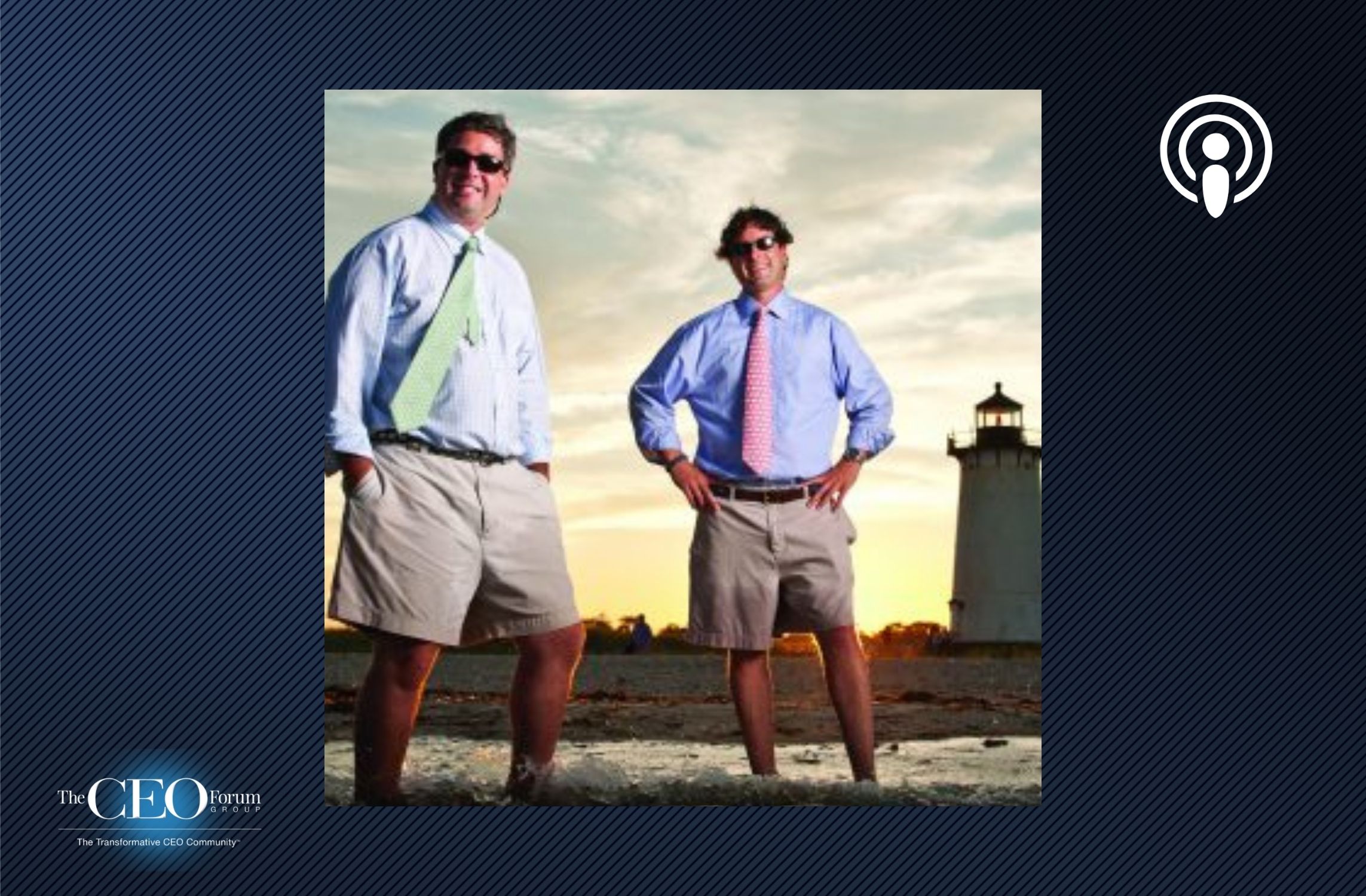
Shep Murray
Shep Murray is the co-founder and CEO of Vineyard Vines, the lifestyle brand he launched with his brother Ian in 1998 on Martha's Vineyard. A Skidmore College graduate, Murray transformed a men's tie business into a billion-dollar apparel company.
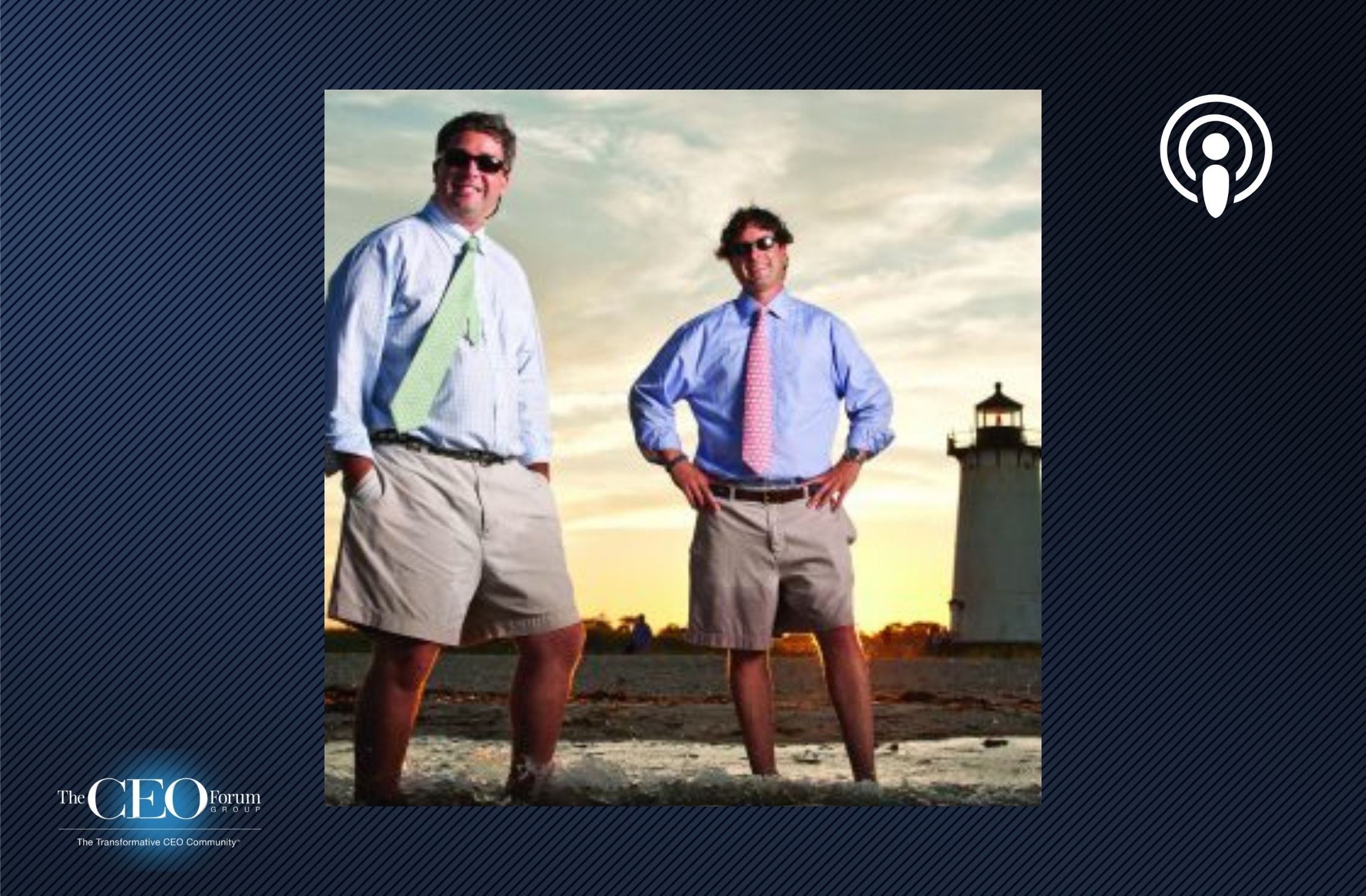
Ian Murray
Ian Murray is co-founder and CEO of Vineyard Vines, the apparel brand he launched with his brother Shep in 1998 after the pair quit their corporate jobs to sell ties on Martha’s Vineyard. He shared the brand’s origin and early growth as a guest on the How I Built This podcast.