SkinnyDipped: Breezy and Val Griffith. The Flourishing Snack Company That Almost Failed
Breezy and Val Griffith turned a road-trip idea for ultrathin chocolate almonds into SkinnyDipped, a $100M brand in 25,000 stores. Their decade spanned home kitchen experiments, a converted chicken coop factory, and a make-or-break Target launch threatened by 40,000 pounds of rancid nuts. After hitting rock bottom in 2022 with negative margins and no funding, the mother-daughter team cut everything, reformulated, and clawed to profitability. Their story shows how founder-led product obsession, paired with ruthless financial discipline, can rescue a business from collapse.
Listen on Spotify
Episode Recap
Breezy and Val Griffith didn't set out to build a snack empire. They just wanted better chocolate almonds. The next ten years brought kitchen experiments, a converted chicken coop factory, a near-fatal Target launch, and a financial collapse that forced a choice: sell for pennies or fight back from the brink.
The Thin-Coating Obsession
The spark came on a road trip. Breezy, who'd previously failed at sorbet and cupcake ventures, and her mom Val, a local TV producer, realized most chocolate almonds were "bowling balls" of sugar. What if the chocolate were whisper-thin? They reverse-engineered a Seattle chocolatier's almonds, deconstructing them knife-by-knife. Hours of home-kitchen testing produced the breakthrough: truffling—dusting the coated almonds with cocoa, raspberry, or espresso powder to protect the chocolate. Manufacturing at scale meant solving a problem no co-packer wanted to touch.
The Chicken Coop and the First Big Break
They found a chocolatier outside Seattle operating from a converted chicken coop—no heat, no hot water, one eBay oven, dishes washed on a car hood with a hose. For four days, Breezy and Val fed almonds on one end, hand-sprinkled sea salt on the other, then slept on the loading dock, utterly spent. That chicken coop was their commercial facility. Undeterred, they packed product in flimsy boxes, demoed in mom-and-pop stores for cash, and eventually landed a meeting with a Target buyer in Minneapolis. They promised an exclusive peanut butter almond flavor for an end cap—and the buyer agreed to a chain-wide launch in 1,800 stores. They had three months to produce. It was a monumental risk, but the break they'd dreamed of was real.
Rancid Nuts and the Brink
Three days before shipping to Target, disaster struck: Breezy tasted a batch and recognized the almonds were rancid. Forty thousand pounds. Three days to fix it. No time to source fresh nuts normally. They scrambled, calling every contact, eventually finding a truckload through a favor. They made the Target order—but only just. The crisis was a warning. By 2022, SkinnyDipped was in over 20,000 stores, on the Inc. 5000 list with 6,000% growth, yet bleeding money. Gross margins sat in the teens. No one asked about profitability; everyone preached growth at all costs. When the funding winter hit, they couldn't raise money. Val, in a New York hotel room, sobbed. The brand had hit absolute rock bottom.
The Ruthless Climb Back
The choice was binary: a soft landing (sell for pennies) or fix the leaky bucket. They chose the latter with terrifying intensity. Leadership froze salaries. They cut every marketing dollar, slashed trade spending, found domestic suppliers to replace imports, and renegotiated warehouse locations. Most painfully, they reformulated their chocolates and peanut butter coating to maintain taste while improving margins. Breezy, now CEO, spent months calling hundreds of investors, ultimately securing a lifeline from 65 individual celebrity backers led by hospitality mogul David Grutman. The infusion bought them time. Eighteen months later, in 2024, SkinnyDipped became profitable for the first time. Today, with 25,000 retail doors and over $100 million in annual sales, the mother-daughter duo proves that even when a business nearly dies, relentless focus on the fundamentals—product, people, and profit—can bring it back to life.
The same obsession that made their chocolate almonds thin and delicious also taught them that a brand's survival depends not on growth at all costs, but on the courage to cut deep when the water's rising.
Key Takeaways
- 1Secure the critical machine before outsourcing: When no co-packer could replicate SkinnyDipped's ultrathin coating, Breezy and Val found a chocolatier with the essential equipment—a giant rotating pan—and mastered the process themselves. Lesson: In manufacturing, identify and control the bottleneck technology before handing production to others; your secret sauce should never leave your hands.
- 2Demo your way to product-market fit: They packed flimsy boxes, demoed in mom-and-pop stores for cash, and handed out samples personally. Those early sales validated the product and funded growth. Lesson: For early-stage CPG, nothing beats face-to-face customer reactions; each sale is a data point and a vote of confidence.
- 3When disaster strikes, triage, don't strategize: With 40,000 pounds of rancid nuts and three days before a Target shipment, they scrambled to source a replacement truckload through personal networks, shipping just in time. Lesson: In a crisis, solve the immediate problem first—clarity comes from action, not perfect planning.
- 4Margins are your oxygen; track them from day one: SkinnyDipped grew 6,000% to 20,000+ stores with gross margins in the teens, creating a fragile house of cards that collapsed when funding dried up. Lesson: Rapid growth with negative unit economics is just accelerated failure; know your true costs before you scale.
- 5Cut deep, preserve the engine: To survive 2022, they froze salaries, zeroed marketing, slashed trade spend, found domestic suppliers, and reformulated products—but protected the core team. Lesson: In a survival scenario, shed every expense except the people who build the product; the team is the only asset that can rebuild everything else.
Founders Featured
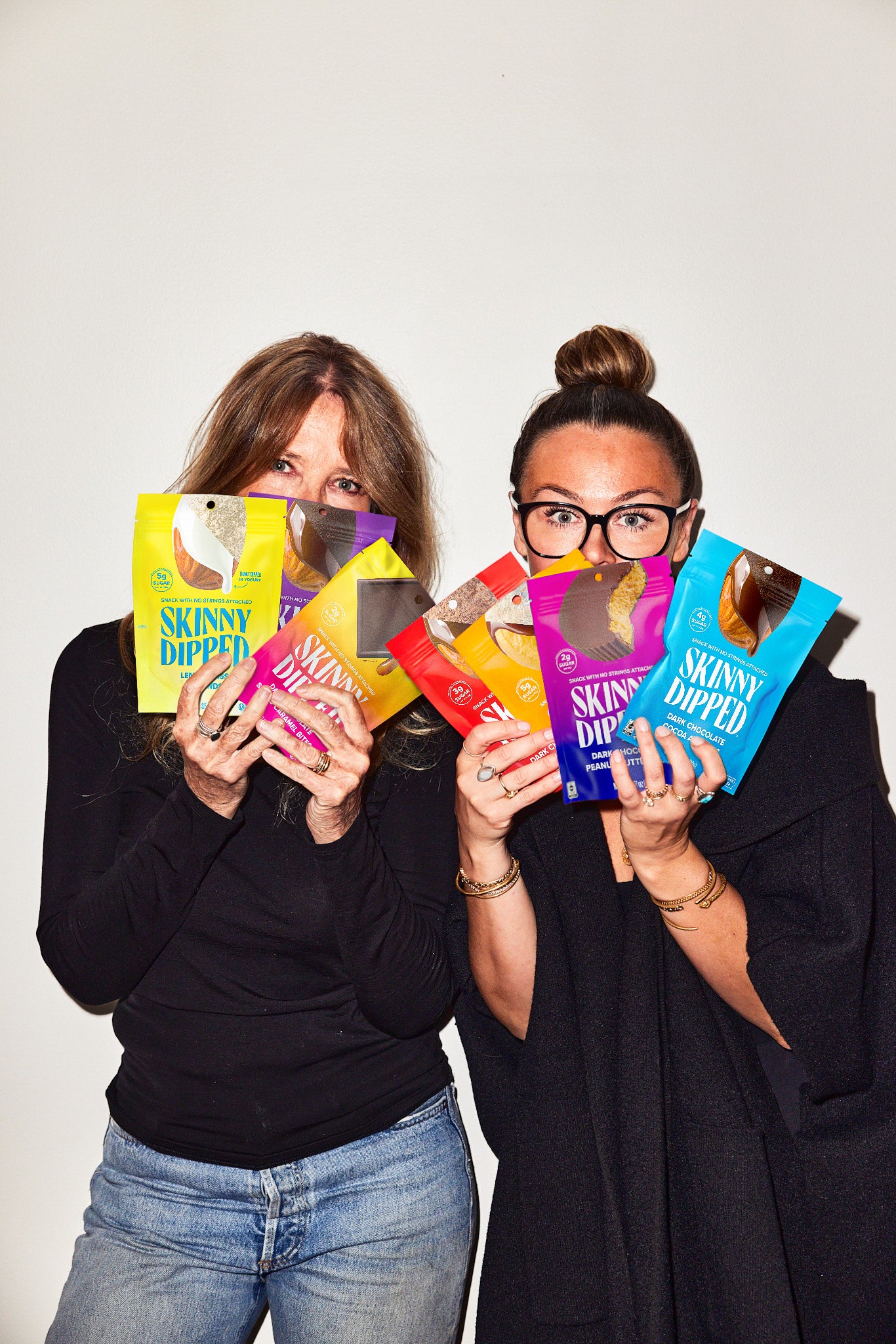
Breezy Griffith
Breezy Griffith is the founder and CEO of SkinnyDipped, a snack company she launched in 2016 with her mother Val after a friend's cancer diagnosis. The Seattle-based brand reinvents classic treats with better-for-you ingredients, starting with their signature chocolate-covered almonds.
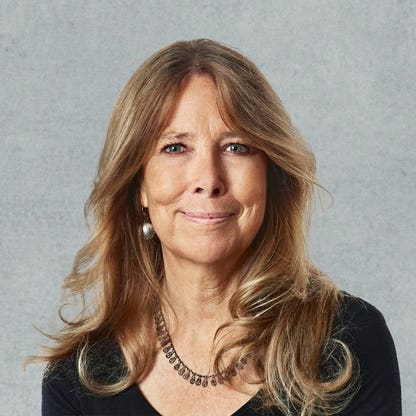
Valerie Griffith
Valerie Griffith co-founded SkinnyDipped in 2016 from her dining room table with her daughter Breezy and two best friends. The Seattle-based snack company makes better-for-you dark chocolate covered almonds.