Advice Line: New Offerings, Bigger Markets
Guy Raz sits down with former HIBT guests Che Wong, Hernan Lopez, and David Neeleman for a special Advice Line mashup. Three founders call in with growth challenges: Christina Latraverse wants to scale Seagrass Pottery beyond Florida, Jim Kersley weighs retail expansion for Lemur Strap, and William Carroll looks to change how consumers think about tool rentals. Each caller gets candid advice on branding, distribution, and breaking ingrained buying habits.
Listen on Spotify
Episode Recap
Intro
This Advice Line episode pairs Guy Raz with three former HIBT guests—Che Wong of Boxed, Hernan Lopez of Wondery, and David Neeleman of JetBlue—for a founder-advice mashup. All three callers face the same broad challenge: how to take a product or service that works locally and make it feel obvious to a much larger audience. The answers mix brand clarity, retail timing, and education-led growth.
Caller 1: Christina Latraverse & Seagrass Pottery
Christina runs a profitable pottery studio on Florida's Space Coast with wholesale, classes, workshops, and community memberships. She asks how to scale nationally without losing what makes the studio feel personal. Che asks her to pick whether Seagrass is primarily an experience brand or a wholesale product brand, because trying to be both creates confusing marketing. Hernan adds that franchising pottery instruction is risky unless the teaching system is highly standardized, while David suggests letting the wholesale route build awareness that later feeds destination studios. Christina leaves with a sharper strategic question rather than a simple to-do list.
Caller 2: Jim Kersley & Lemur Strap
Jim developed a quick-release camera strap and launched through Kickstarter before moving to direct-to-consumer sales. B&H has expressed interest in retail placement, so he wants to know whether chasing broader distribution is worth the margin hit. Hernan recommends leaning harder into the founder story and showing real photographers using the strap, while Che warns that early retail overexposure can cheapen a brand before it is fully built. Jim concludes that retail is worth exploring selectively, but only through trusted specialty channels rather than mass-market expansion.
Caller 3: William Carroll & Tool Club
Will runs a delivery-first tool rental service in Cincinnati aimed at DIYers and contractors who would rather rent than own big equipment. His challenge is changing ingrained behavior: convincing homeowners to call Tool Club instead of buying a tool or hiring someone else. David suggests creating simple project-based videos that make renting feel like the smart default, plus seasonal email reminders timed to spring and summer projects. Will exits with a content plan, a clearer customer education sequence, and a renewed focus on making first rentals easy.
Final Thought
The episode’s through-line is that bigger markets reward precision more than ambition. Whether the product is clay, camera straps, or tool rentals, the founders who win are the ones who make their brand promise simple, repeatable, and easy to trust.
Key Takeaways
- 1Clarify your primary identity before scaling: Mixed models confuse buyers; leading with one clear use case builds stronger demand.
- 2Retail expansion should be selective, not automatic: Store shelves bring visibility but cut margins and invite copycats.
- 3Founder stories convert better than product specs: Short, authentic videos showing why you built the product create lasting trust.
- 4Change behavior by lowering perceived risk: Education, seasonal reminders, and simple project guides make new habits feel easy.
- 5Seasonal and project-based messaging drives rentals: Timely reminders tied to real DIY moments outperform generic ads.
More from Chieh Huang, Hernan Lopez, Christina Latraverse, Jim Kersley, William Carroll, David Neeleman
Founders Featured
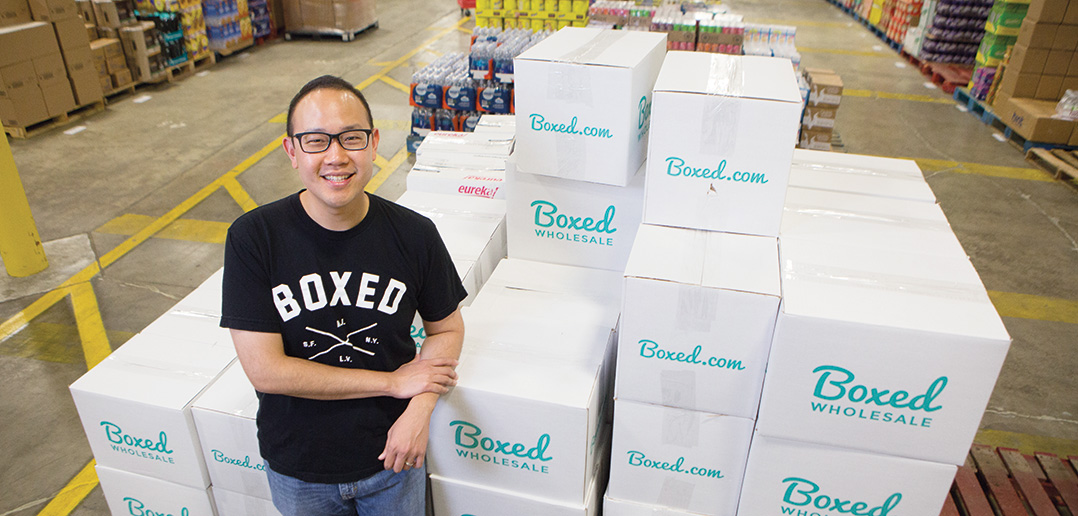
Chieh Huang
Chieh Huang co-founded Boxed in 2013, building a wholesale delivery leader from his parents' garage. A former lawyer and Zynga executive, he funds employee college tuition and runs the company with no layoffs. Huang has been recognized by Bloomberg Businessweek and Goldman Sachs among others.
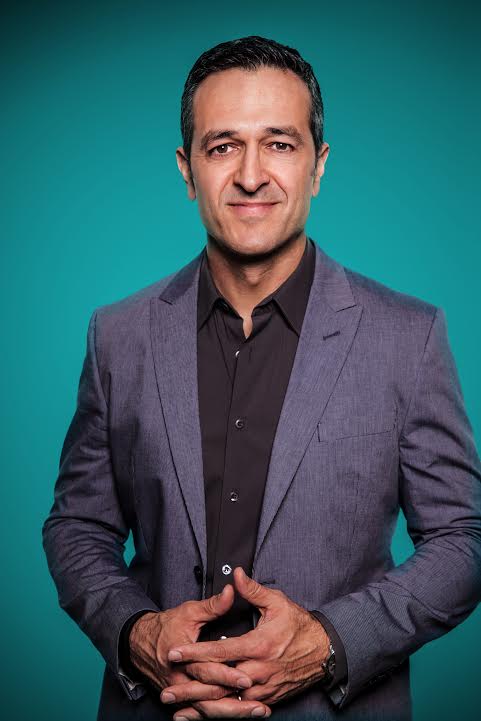
Hernan Lopez
Hernan Lopez is an American-Argentine entrepreneur and media executive. He founded the podcast network Wondery in 2016 after 16 years as CEO of Fox International Channels, where he grew revenue from $100M to $3B. Amazon acquired Wondery in 2020.
Christina Latraverse
Christina Latraverse is the founder of Seagrass Pottery, a coastal ceramic studio in Indialantic, Florida, launched in 2019. Prior to opening her studio, she worked in visual arts education.
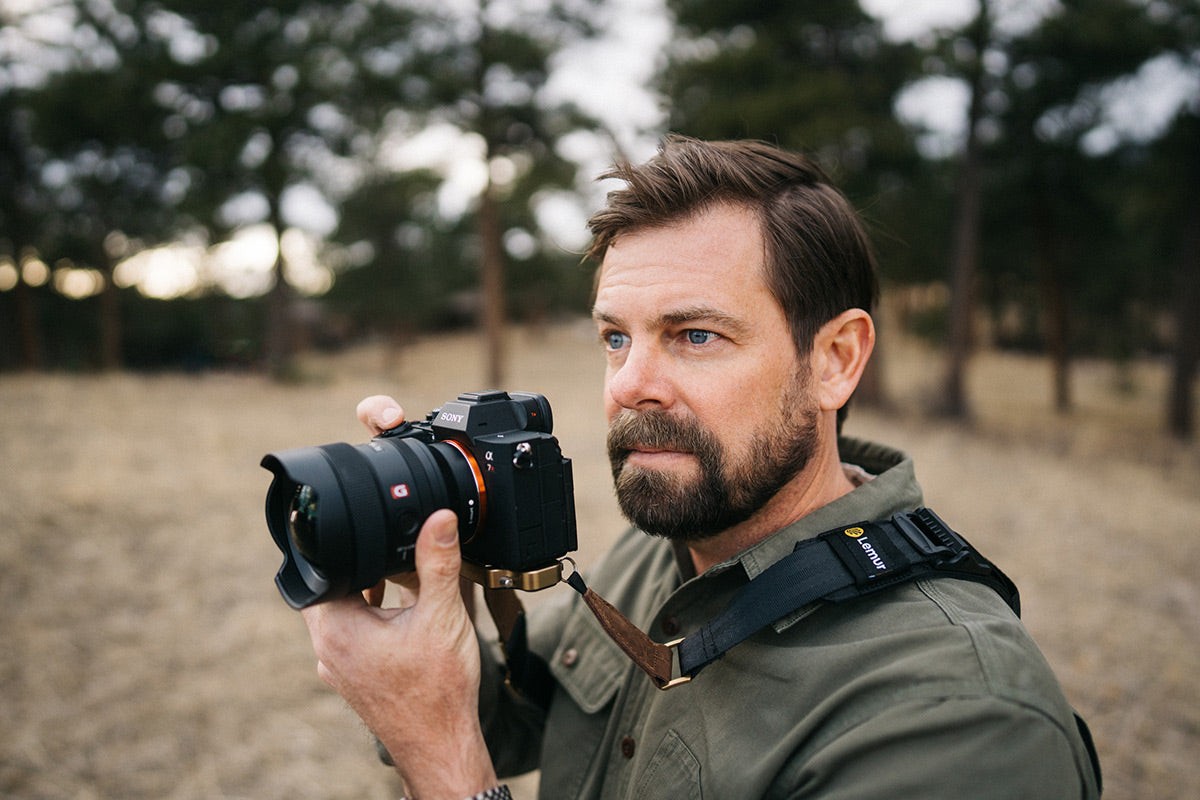
Jim Kersley
Jim Kersley is the founder of Lemur Strap, a Colorado company that makes a patented quick-release camera strap for photographers. He launched the product on Kickstarter in 2024 and now sells directly to consumers and through B&H Photo.
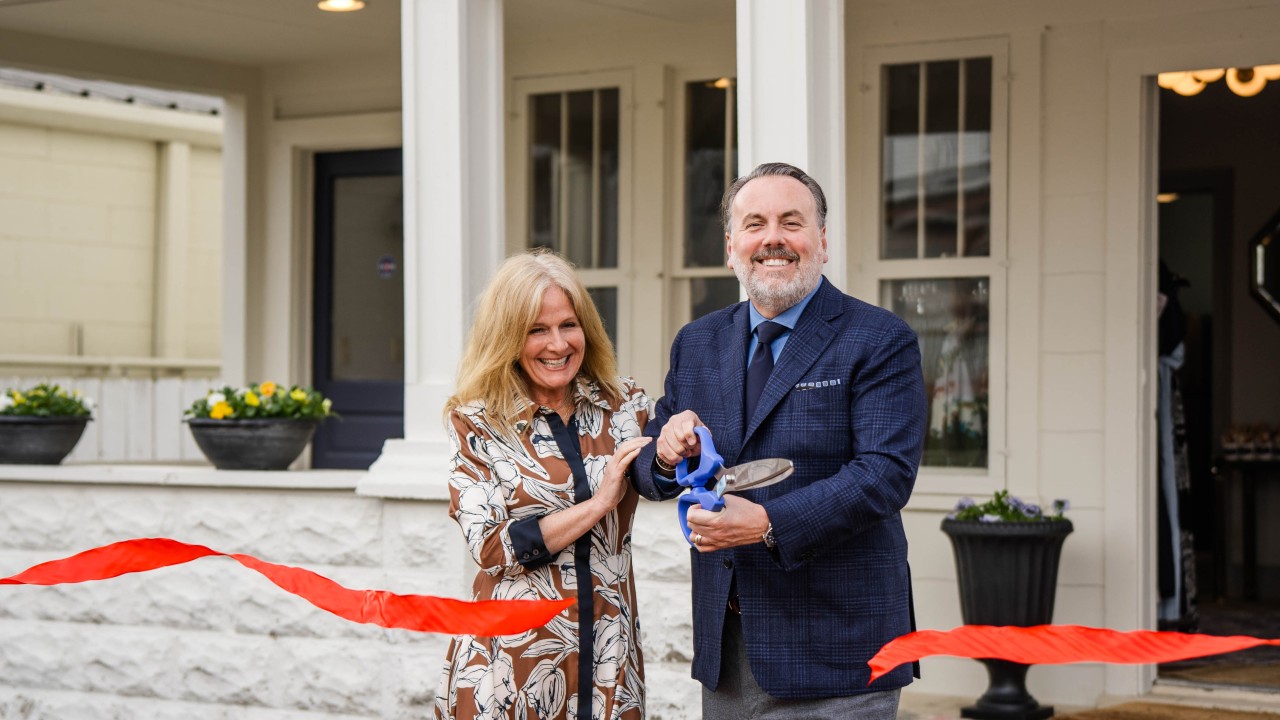
William Carroll
Will Carroll founded Tool Club, a Cincinnati tool rental service that delivers pro-grade power tools to your door. A University of Cincinnati grad (2010), he previously ran PXG Cincinnati and spent seven years in PGA South Florida before launching Tool Club in 2024.
David Neeleman
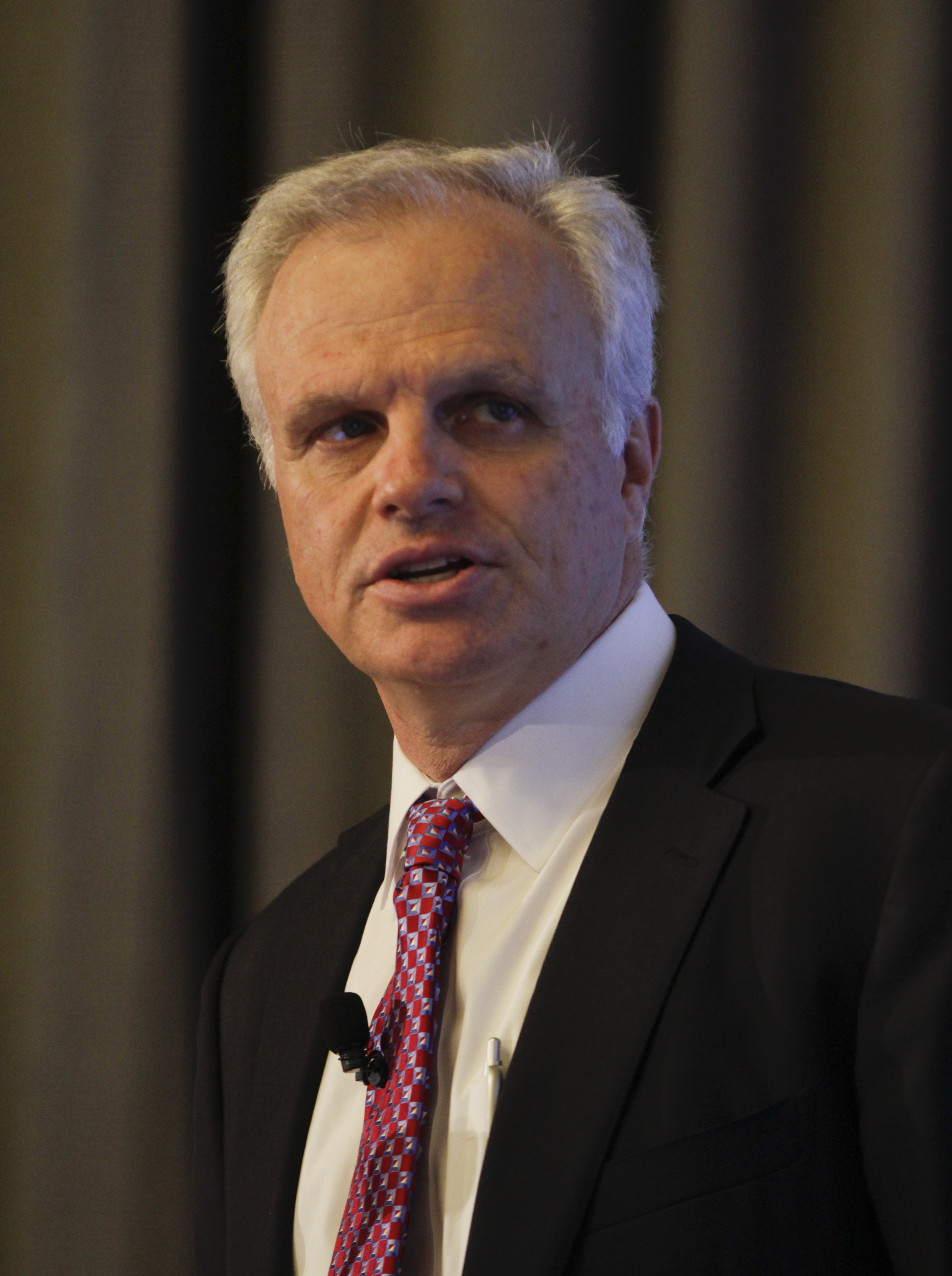
David Neeleman is the founder and CEO of Breeze Airways, the U.S. airline he launched in 2021. A Brazilian-American entrepreneur, he previously founded JetBlue, Azul Brazilian Airlines, WestJet, and Morris Air, building a legacy of innovation across the aviation industry.
Related Companies
Boxed
Boxed was a New York-based bulk retailer founded in 2013 by Chieh Huang. The company aimed to bring wholesale club pricing to consumers through a mobile-first e-commerce platform, selling groceries, household goods, and electronics in bulk sizes with direct delivery.
2 episodes

Wondery
Wondery is a media and entertainment company. It creates content for audiences. Multiple founders started the brand. Its programming covers a range of genres. The company distributes its work across major streaming platforms globally.
2 episodes
Seagrass Pottery
Seagrass Pottery is a consumer goods brand. Several founders. The company makes pottery for everyday home use. No further public operational details are available.
1 episode

Lemur Strap
LemurStrap is a camera accessories company that designs innovative camera straps for photographers. Its patented quick-release baseplate system keeps cameras secure and accessible during outdoor shoots.
1 episode
Tool Club
Tool Club is a Cincinnati-based tool rental service that delivers premium equipment to DIYers, homeowners, and contractors. Free delivery and pickup, flexible rentals, and a curated catalog of top brands like DeWalt and EGO make professional-grade tools accessible for any project.
1 episode
jetblue
JetBlue is a major American low-cost airline founded in 1998 by David Neeleman. Known for low fares, customer service, and free in-flight amenities, it operates primarily along the US East Coast and to select Caribbean and Latin American destinations.
2 episodes