Advice Line with Alexa Hirschfeld of Paperless Post
Guy Raz teams up with Alexa Hirschfeld, co-founder of Paperless Post, to tackle real challenges from early-stage founders. This Advice Line features three callers: Jess Walker of 5.Post on navigating brand identity in a collaboration, Carolyn Horesky of The Creative Garland Company on scaling handmade production, and Sayuri Tsuchitani of Sumo Yoga on educating consumers about an unfamiliar concept. Alexa offers insights on brand architecture, incremental scaling, and product positioning.
Listen on Spotify
Episode Recap
Guy Raz kicks off this Advice Line episode with Alexa Hirschfeld, Paperless Post co-founder, ready to field questions from founders seeking guidance. Alexa, fresh from her original How I Built This interview, brings her experience scaling a high-end digital invitation business to bear on three distinct challenges.
Caller 1: Jess Walker of 5.Post
Jess runs a greeting card company specializing in cancer support and grief cards, built on humor and authenticity. Her challenge: a collaboration called Sweet Paws by 5.Post with a pet brand has exploded, landing at Petco, Chewy, and winning Walmart's Golden Ticket, but the combined name is confusing and wordy. She asks whether to maintain the joint brand or create a standalone identity.
Alexa quickly identifies the core issue: brand recognition. When the collaboration launched, they assumed cross-promotion would benefit both brands. But exponential growth means the name no longer serves. Her advice? Don't force both brands together. The new business has momentum that likely exceeds either parent brand's relevance to pet owners. Create a separate, focused brand for the pet line.
Guy adds an important nuance: evaluate how much 5.Post's brand equity matters to the core card business. If it's significant, consider an umbrella holding company structure, separate brands under one corporate roof, so each brand tells its own story without dilution. This protects 5.Post's identity while letting Sweet Paws stand on its own merits.
Caller 2: Carolyn Huresky of The Creative Garland Company
Carolyn creates handcrafted paper garlands from her garage in Crested Butte, Colorado. Sales hit $43K in 2024, her first full year, and she's expanding into acrylic designs. The problem: she can't keep up with production alone and needs to scale. Her options: hire part-time help in-house, or outsource manufacturing to a third party. She wants to protect quality, brand identity, and creative flexibility.
Alexa reframes the question: it's not binary. The goal is to identify what work "requires your taste" versus what can be systematized. Creative concept, design, limited runs, those stay close. Cutting, printing, assembly, fulfillment, those can be handed off. The sequence matters: start with part-time local help as an "extended interview." This maintains quality control, tests workflows, and avoids long lead times and minimum orders that kill agility.
Guy points out Carolyn's prices ($25-30 per garland) reflect handmade USA quality. Outsourcing risks that story. Alexa agrees: copycats may mimic the product, but they can't replicate the full brand experience. Protecting IP matters less than continuing to innovate and delivering authentic craftsmanship that customers value.
Caller 3: Sayuri Tsuchitani of Sumo Yoga
Sayuri imports handmade tatami mats from Japan for yoga practice, selling at $200-250 each. Her challenge: educating a nationwide audience about "sumo yoga", a niche concept combining sumo-inspired movement with body positivity, while driving e-commerce sales. She wonders how to build a movement without confusing people.
Alexa identifies the messaging gap: Sayuri's emphasis on sumo wrestlers and Japanese culture creates distance. Her advice: flip the focus. Lead with the mat's benefits, natural materials, antibacterial properties, unique grip, durability, then back into the sumo yoga story as inspiration, not the primary sell. People need a quick mental hook; "yoga mat" is familiar, "sumo" is not. Frame it as "yoga practice inspired by sumo movement" to reduce friction and broaden appeal.
Guy reinforces this: the $120B global yoga market cares about performance, not cultural backstory (at least initially). Tell the tatami story, handmade in Fukuoka, centuries-old craftsmanship, natural reeds, first. Use the sumo angle to differentiate, not define. This builds understanding without requiring prior knowledge.
Final Thought
Alexa's consistent thread across all three calls: stay close to what makes your brand distinctively yours, creative vision, authenticity, craftsmanship, and systematically relieve yourself of the repeatable work. Scale smartly, protect the soul of your business, and communicate benefits before concepts.
Key Takeaways
- 1Brand architecture matters when collaborations scale: Don't force combined names if growth outpaces original brand equity. Separate brands under an umbrella company preserves identity while allowing independent expansion.
- 2Systematize before you outsource: Identify which tasks require your creative taste versus repeatable execution. Start with part-time local help as an extended interview before considering offshore manufacturing.
- 3Authenticity beats copycats: IP protection matters less than continuous innovation and genuine craftsmanship. The complete brand experience - story, quality, details - is what customers actually buy.
- 4Lead with benefits, not concepts: When introducing unfamiliar ideas (sumo yoga, tatami mats), explain the tangible advantages first (material properties, performance). Cultural context follows once interest is piqued.
- 5Keep the main thing the main thing: Founders face endless distractions—competitors, funding gaps, PR issues. Success comes from staying focused on who you serve and what unique value you provide them.
More from Alexa Hirschfeld, Carolyn Huresky, Sayuri Tsuchitani, Jessica May Walker
Founders Featured
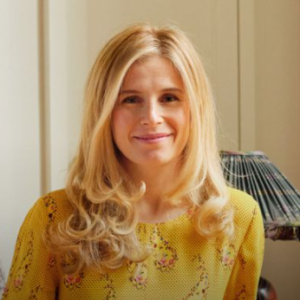
Alexa Hirschfeld
Alexa Hirschfeld is the co-founder and president of Paperless Post, a digital invitation and stationery platform she launched with her brother James in 2009. Based in New York, she leads the company's mission to make event planning beautiful and accessible, with over 650 million invitations sent.
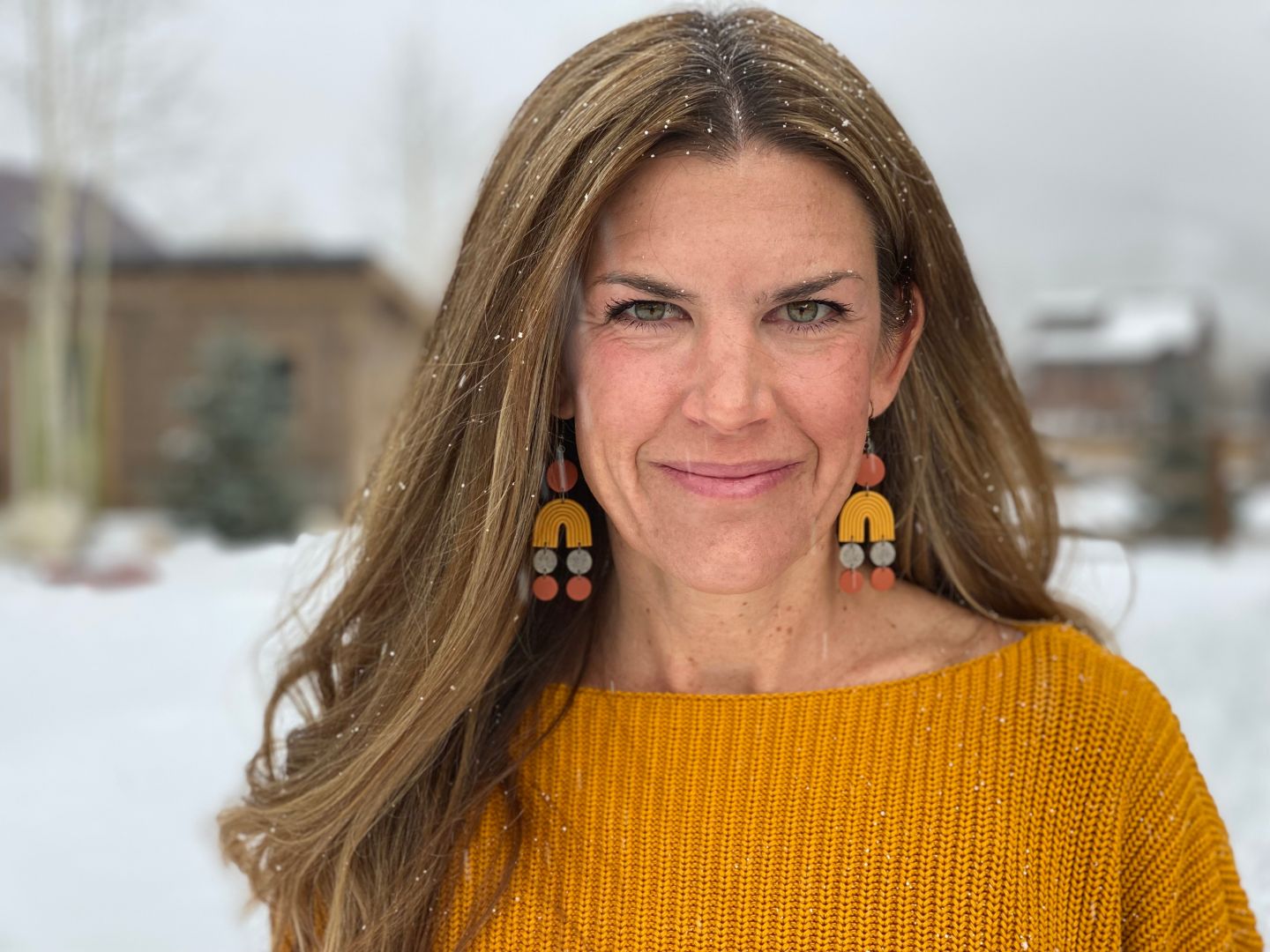
Carolyn Huresky
Carolyn Huresky is the founder of The Creative Garland Company, a Colorado-based business creating decorative garlands for events and home decor. She started the company with a vision of bringing handcrafted beauty to celebrations. As demand grew, Carolyn faced the classic scaling dilemma: outsou...
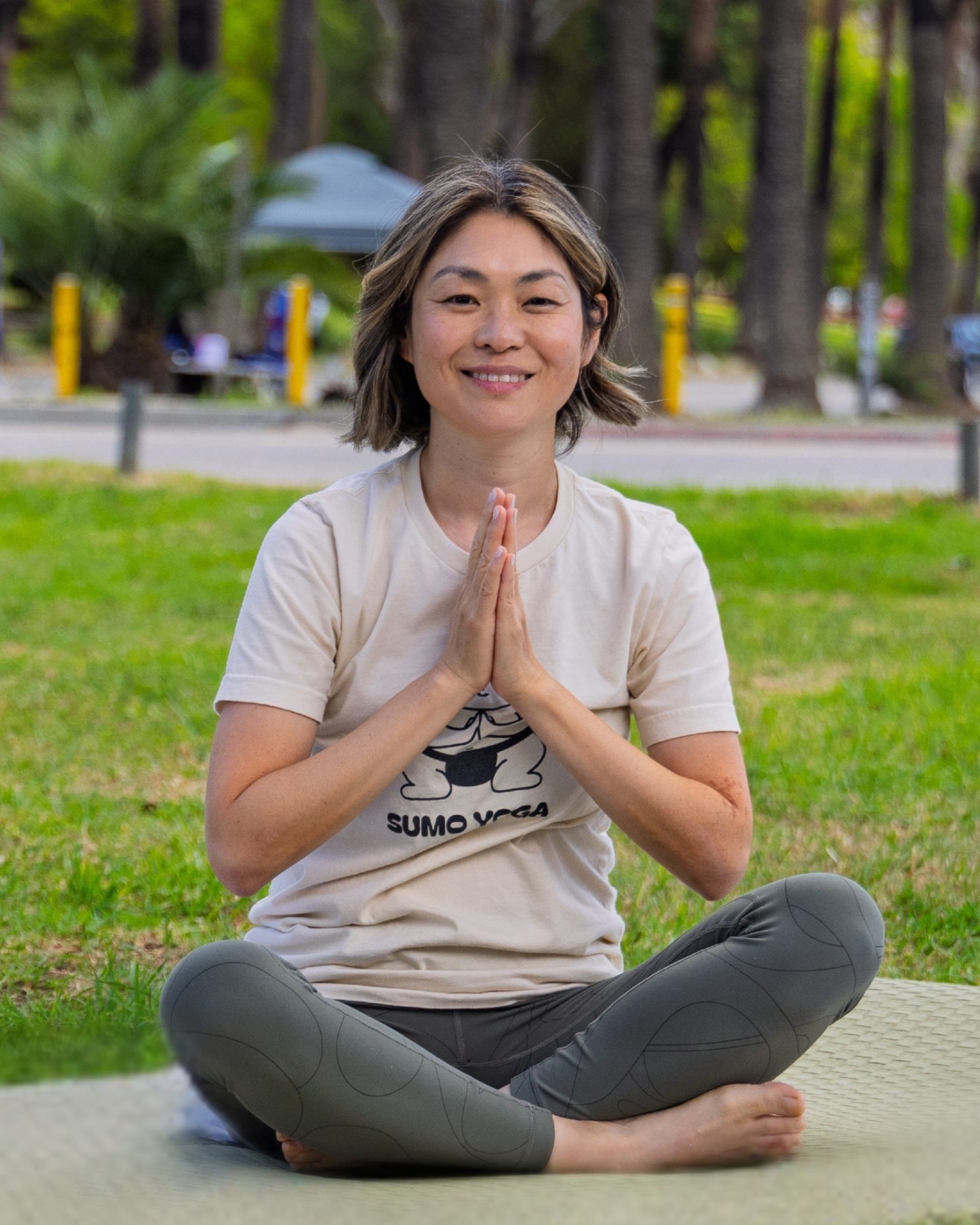
Sayuri Tsuchitani
Sayuri Tsuchitani is the founder of Sumo Yoga, a Los Angeles wellness studio embracing all body types. A Japanese-born entrepreneur and wellness practitioner, she brings over 20 years of experience. Her philosophy—'Ten people, ten colors'—honors each individual's unique journey toward health.

Jessica May Walker
Jessica May Walker founded Five Dot Post, a Vancouver, WA greeting card company, in 2017 after her husband Tommy's cancer diagnosis. Inspired by 'laughter is the best medicine,' her cards help people stay connected through life's moments. Featured in Forbes, Refinery29, and Good Morning America.
Related Companies

Paperless Post
Discover the tools and features that make it easy to create, send, and manage invitations, RSVPs, and every detail of your event, all in one convenient place.
2 episodes

The Creative Garland Company
The Creative Garland Company makes decorative garlands for events and home decor. From its base in Crested Butte, Colorado, the brand creates hand-cut cardstock and acrylic pieces featuring designs like ski chairlifts, bats, and bicycles. Each garland is adjustable and crafted to bring playful elegance to celebrations.
1 episode

Sumo Yoga
Sumo Yoga LA blends sumo strength with yoga mindfulness. Founded by Sayuri Tsuchitani, it emphasizes grounded hip-opening exercises and Japanese wellness. The company offers classes and Tatami mats, promoting self-acceptance and well-being through the shiko squat.
1 episode
Five Dot Post
Five Dot Post is a greeting card company offering personalized cards for birthdays, encouragement, and other occasions. Free shipping on orders over $50. Founded in 2021, the company creates heartfelt and irreverent cards to help people stay connected.
1 episode