Advice Line with Bill Creelman of Spindrift
Bill Creelman, founder of Spindrift, joins Guy Raz on How I Built This Advice Line to help four founders tackle real scaling, distribution, and positioning challenges. The episode uses Spindrift’s growth path to give practical advice about partnerships, distribution strategy, and brand clarity—tailored for beverage and lifestyle businesses trying to grow without losing control.
Listen on Spotify
Episode Recap
Intro
Guy Raz welcomes Bill Creelman back to How I Built This Advice Line. This time, Creelman isn’t talking only about Spindrift—he’s using that experience to coach four founders facing different but equally real scaling problems. Each caller brings a specific bottleneck: one is running out of production capacity, another is stuck in regional distribution, a third is struggling to stand out in a crowded shelf, and a fourth is trying to grow without drifting from the brand that made them famous. Creelman’s advice stays practical, grounded in what Spindrift actually did, and focused on leverage points rather than generic startup encouragement.
Caller 1: Bill Creelman & Spindrift
The episode opens with Creelman looking back at Spindrift’s biggest inflection points: moving from local distribution into national retail, defending the product’s real-fruit positioning against cheaper sparkling water alternatives, and scaling production without handing off the brand’s identity to a contract manufacturer. He emphasizes that growth does not require handing over control. Co-packing, when chosen carefully, can increase capacity without sacrificing quality or story. Spindrift’s model shows that founders can expand footprint while keeping the brand narrative tightly tied to the founding mission.
Caller 2: Jean-Pierre Parent & Soma Kombucha
Jean-Pierre Parent built Soma Kombucha through the Pacific Northwest and Southern California, but national expansion brought a different set of problems. Creelman’s advice centers on anchoring dominant regions before chasing broader distribution. Rather than pushing into fifty markets at once, he suggests proving repeatable demand in proven territories first. Strong local performance becomes the pitch to distributors, turning proof into partnerships instead of cold outreach. Parent’s challenge highlights the difference between having a great product and having a scalable distribution story.
Caller 3: Josh Jancewicz & Donnas Pickle Beer
Donnas Pickle Beer has a vivid, memorable brand, but in a crowded craft and novelty beverage market, distinctiveness alone doesn’t win shelf space. Creelman urges Jancewicz to tighten the positioning around the single most defensible advantage—his flavor, provenance, or process—and build every message around that clarity. In crowded spaces, mixed signals are expensive. The goal is not more marketing noise; it is a sharper story that buyers and consumers can repeat.
Caller 4: Zach Will & Kona Brand
Zach Will’s challenge is about focus. Kona Brand is defined by a strong aesthetic and loyal audience, but growth can pull a brand in too many directions. Creelman’s advice is to identify one leverage point that moves the business forward and go deep on it, whether that means doubling down on retail, wholesale, or direct-to-consumer channels. Broad ambition without concentrated execution often slows momentum rather than creating it.
Final Thought
What unites these calls is a common pattern: each founder already had the product and the brand. What they needed was a better filter for where to apply pressure. Creelman returns again and again to the idea that breakthrough usually comes from choosing one specific advantage and building the next move around it, not from adding more effort everywhere.
Key Takeaways
- 1Scale through partnerships, not surrender: Growth can mean co-packing and strategic facility expansion instead of giving up control of the brand.
- 2Dominate regions before chasing national buyers: Proven local success pulls distributors toward you instead of forcing you to chase them.
- 3Make one advantage unmistakable: In crowded categories, the clearest single differentiator outsells broader marketing.
- 4Choose one leverage point and go deep: Breakthrough comes from focused execution, not from spreading effort across every channel.
Founders Featured

Bill Creelman
Bill Creelman founded Spindrift, a sparkling water company made with real squeezed fruit. The Massachusetts entrepreneur launched the brand after college and has grown it into a business valued at over $650 million.
Josh Jancewicz
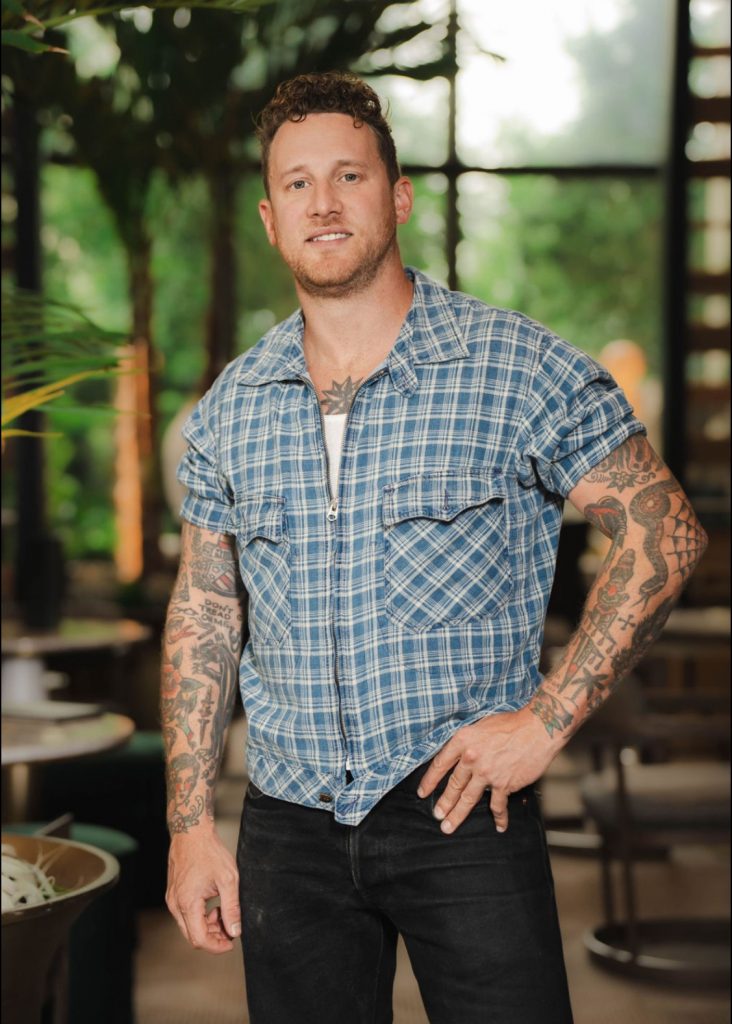
Josh Jancewicz is the owner and CEO of Donna's Pickle Beer, a craft brewery that mixes fresh pickle brine with light lager. Based in West Hollywood, California, Jancewicz launched the brand during the pandemic and has grown it to distribution in 16 states.
Zach Will
Zach Will is the Founder & CEO of Kona Brand, an apparel company that creates fun winter flannels by blending traditional flannel with Hawaiian Aloha shirt flair. A UConn management and entrepreneurship major, he started the brand as a class project.
Jean-Pierre Parent
Jean-Pierre Parent is the CEO of Soma Kombucha, a sustainable kombucha brewing company with taprooms across Washington and Oregon. A former yoga teacher, he founded the business to foster community connection through craft beverages.
Related Companies
Spindrift
Spindrift is an American sparkling water and soda company that uses real fruit juice for flavor. It was the first sparkling water in America made with real squeezed fruit.
1 episode
Donna's Pickle Beer
Donna's Pickle Beer is a craft lager that blends a light-bodied golden ale with all-natural dill pickle brine. Born from a vision to create a refreshing, pickle-forward beer, it has quickly become a sensation, scaling from 100 to 7,000 cases monthly.
1 episode
Kona Brand
Kona Brand makes fun Winter flannels that mix traditional flannel feel with Hawaiian Aloha shirt style. From Marshfield, they created the original Flannel Aloha Shirt, bringing island vibes to cold-weather wardrobes.
1 episode
Soma Kombucha
Soma Kombucha is a Portland-based manufacturer of certified organic kombucha and jun beverages. They produce naturally carbonated probiotic drinks using organic black tea and volcanic glacier water, offering nationwide delivery of their health-focused products.
1 episode