Advice Line with Chet Pipkin of Belkin International
Chet Pipkin, founder of Belkin International, returns to The Advice Line to guide three founders through scaling challenges. Daniel Mall seeks to mainstream his dissolvable shampoo tablets beyond travelers. Meredith Hudson struggles to stock inventory with limited cash. Ryan Halrigo wants to crack B2B sales for his therapeutic massage tools. With practical wisdom from building Belkin into an $800 million company, Pipkin shares how to turn constraints into creative advantages.
Listen on Spotify
Episode Recap
Intro
Guy Raz welcomes back Chet Pipkin, founder of Belkin International, for another round of real founder challenges. From scaling constraints to unfamiliar product formats, three entrepreneurs seek guidance from the man who built a connectivity empire from a dorm room.
Caller 1: Daniel Mall & Earth Suds
Daniel Mall creates dissolvable shampoo, conditioner, and soap tablets that eliminate plastic waste. His Toronto-based company has sold over 200,000 tablets and earned National Geographic recognition, but mainstream adoption remains elusive. Travelers love the product, but convincing daily users to abandon familiar bottles is tough. Chet Pipkin zeroes in on user experience and perception. He asks whether Daniel measures net promoter scores and customer feedback—which he does, with 4.7 stars across 500 reviews. Pipkin warns that environmentally friendly products often fail when they cost more or inconvenience users. His advice: lean into hospitality partnerships where legislation is banning mini bottles, and consider a luxury redesign inspired by Method or Tesla. Make Earth Suds desirable first, sustainable second.
Caller 2: Meredith Hudson & Sideline Bags
Meredith Hudson's sideline bags organize sports accessories for female athletes. She's grown from a garage operation to over $100K in sales, selling through TikTok Shop and team orders. The problem? She keeps selling out. With six-week air shipping lead times and no working capital, she's trapped between demand and inventory constraints. Chet Pipkin recognizes this as the "good problem" but knows cash flow is the bottleneck. He shares Belkin's early struggle: they kept inventory on their manufacturer's books through trusted relationships. He suggests exploring similar payment terms, considering non-dilutive loans through platforms like Shopify Capital, and analyzing sell-through data by color to forecast smarter. The insight: treat inventory like wine, not bananas—it doesn't spoil, so invest strategically.
Caller 3: Ryan Halrigo & RollFlex
Ryan Halrigo's RollFlex creates therapeutic massage tools for arm and leg recovery. His $5 million business sells primarily through Amazon and direct-to-consumer, but he's hitting a wall reaching corporate clients in manufacturing, logistics, and military sectors. Every outbound attempt hits dead ends. Chet Pipkin dismisses frontal assaults on HR and procurement. Instead, he advocates for guerrilla marketing: get the product into employees' hands and let internal advocates drive demand. He points to Slack's playbook—build grassroots adoption from within. Pipkin also suggests collecting anonymized workers' comp reduction data to build a cost-saving case, and potentially partnering with corporate wellness distributors. The priority: make RollFlex indispensable to individual users first.
Final Thought
Three founders, three different scaling puzzles, and one consistent thread: constraints breed creativity. Pipkin's advice never mentions venture capital or rapid expansion. Instead, he champions supplier partnerships, grassroots evangelism, and preserving product-market fit above all. The greatest danger isn't running out of cash or inventory—it's listening to "pros" who promise one-size-fits-all solutions. Sometimes the best path forward is the one you invent yourself.
Key Takeaways
- 1Let constraints guide, not limit you: Not having cash forced Belkin to keep inventory on suppliers' books—a creative solution that built deeper partnerships. Scarcity reveals your most resourceful self.
- 2Focus on desirability before sustainability: Earth Suds needs to make shower tablets feel luxurious, not just eco-friendly. People buy what they want, not what they're told is good for them.
- 3Treat inventory like wine, not bananas: Meredith's sideline bags don't expire, so stock more when demand signals are strong. The cost of air shipping pales next to the cost of a stockout.
- 4Inside jobs beat frontal assaults: RollFlex won't win through HR procurement. Get the product into users' hands, let them advocate internally, and watch bureaucracy move.
- 5Guard your company's original DNA: Pipkin's biggest regret was listening to 'pros' who promised standardized systems. What works for others may break what's already working for you.
Founders Featured
Chet Pipkin
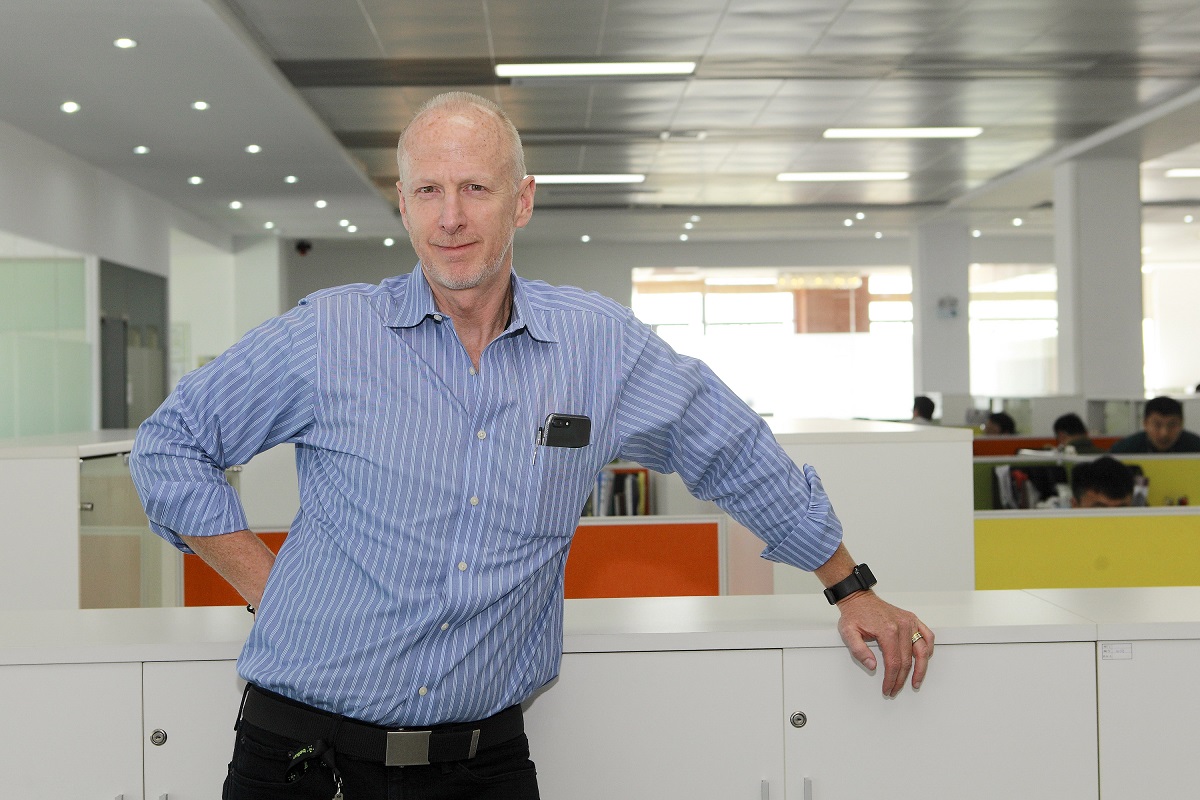
Chet Pipkin is the founder and executive chairman of Belkin International, a consumer electronics company specializing in internet connectivity devices. He launched Belkin in 1983 from his Hawthorne home and built it into a global brand before transitioning to executive chairman.
Daniel Mall
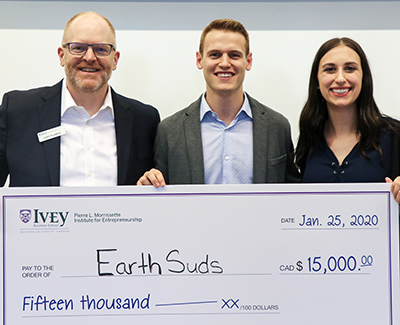
Daniel Moll is the founder and CEO of EarthSuds, a company making dissolvable shampoo and conditioner tablets to cut down on plastic waste. The idea struck after he saw a beach choked with plastic bottles and decided to build a better solution.
Meredith Hudson
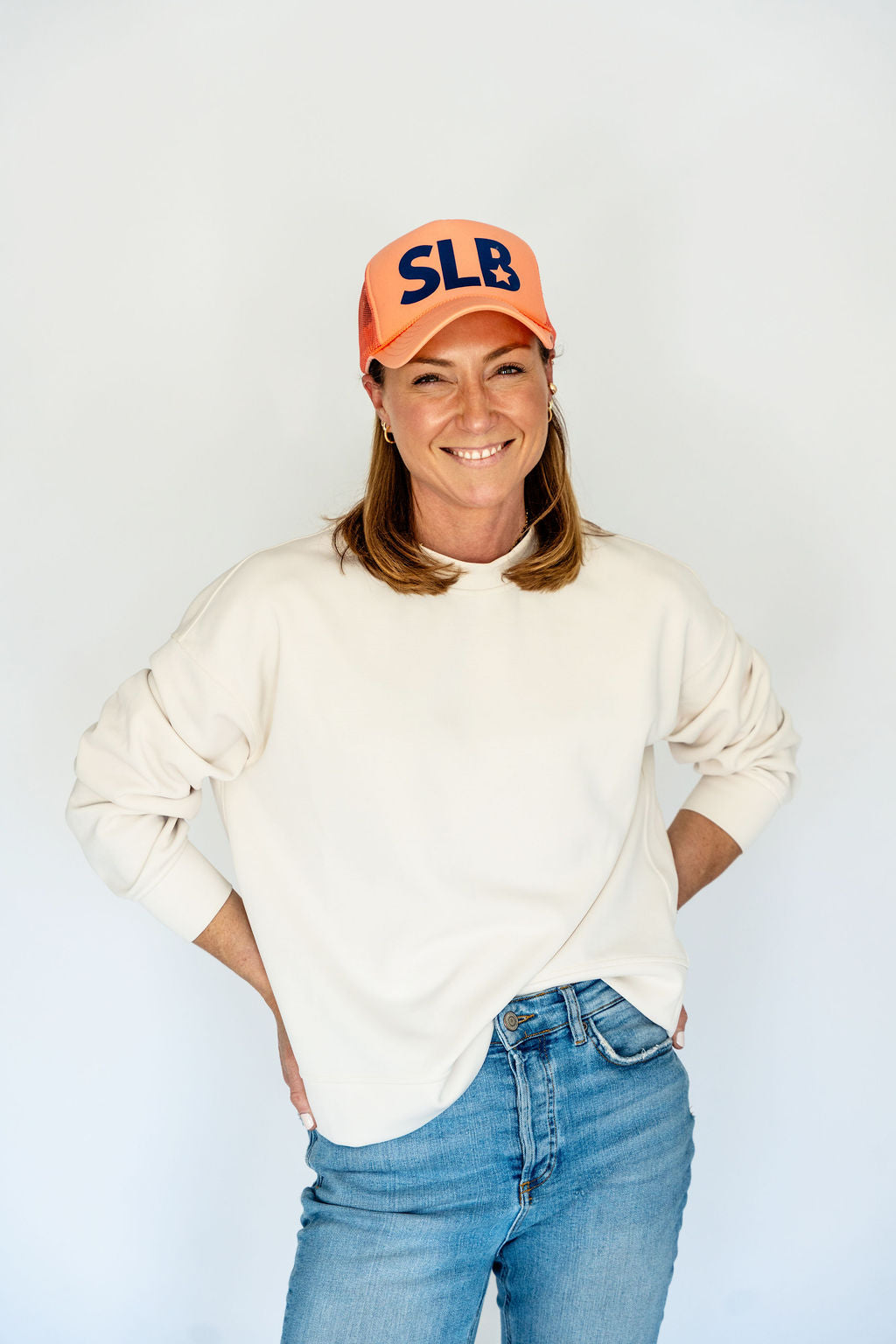
Meredith Hudson founded Sideline Bags to organize sports gear after her teen athlete's backpack became a mess. A former D1 athlete from Yale and a sports mom, she built the company into a trusted solution for over 18,000 female athletes nationwide.

Ryan Halrigo
Ryan Hellriegel is the founder of RollFlex, a wellness company developing recovery tools for common injuries like tennis elbow, carpal tunnel, and shin splints. An entrepreneur and athlete from San Diego, his mission is to help people get back to doing what they love with less pain.
Related Companies
Belkin International
Belkin International is a California-based consumer electronics accessories company founded in 1983 by Chet Pipkin. Known for chargers, cables, power banks, and connectivity products for smartphones, tablets, laptops, and smart home devices.
1 episode

Earth Suds
EarthSuds creates dissolvable personal care tablets for shampoo, conditioner, body wash, and hand soap. The tablets are plastic-free, TSA-compliant, and designed to reduce single-use toiletry waste.
1 episode

Sideline Bags
Sideline Bags creates premium sports organizer bags for female athletes. Founded by a former D1 athlete, their backpacks are trusted by 50+ NCAA programs and 25,000+ athletes nationwide.
1 episode
RollFlex
Roll Flex Label Company is a family-owned manufacturer of premium pressure-sensitive labels for food, beverage, packaging, and barcode applications. Based in Hackensack, New Jersey, they have provided custom label solutions since 1983.
1 episode