Advice Line with Chieh Huang of Boxed
Guy Raz and Boxed co-founder Chieh Huang tackle real business challenges from three founders in this Advice Line episode. Alec from Surfing Cow wrestles with scaling his beef tallow skincare brand without losing its soul, Jessica from Tail Cinch debates selling through major pet retailers, and Eli from Makor Coffee balances product formulation with mass-market brewing. Chieh shares hard-won lessons from Boxed's rise and fall, focusing on co-manufacturer partnerships, capital strategy, and finding product-market fit.
Listen on Spotify
Episode Recap
Intro
Guy Raz and Boxed co-founder Chieh Huang dive into three founder challenges in this Advice Line episode, covering skincare scaling, e-commerce distribution, and product formulation trade-offs. Each caller brings a unique problem at the inflection point where hobby becomes business.
Caller 1: Alec Merlino & Surfing Cow
Alec has built a $200K+ beef tallow skincare brand from his kitchen but risks losing quality if orders surge. Chieh stresses immediate co-manufacturer hunting, noting Alec's radical transparency gives him an edge. The pair debate taking on outside capital versus bootstrapping, with Chieh warning against over-raising early. Alec's hustle reminds Chieh of Boxed's early fulfillment chaos—he urges Alec to escape the kitchen before growth breaks the brand.
Caller 2: Jessica Dubin & Tail Cinch
Jessica's reusable horse tail ties hit $70–80K annually but plateaued. She wonders if listing on Chewy or Valley Vet is worth thin margins. Chieh says yes, but only if it drives direct traffic to her site. He flags working capital traps—retailers pay slowly, and factoring costs erode margins. Jessica's expansion into other equine products complicates marketing; Chieh suggests doubling down on the hero product while using marketplaces as awareness, not profit centers.
Caller 3: Eli Mash & Makor Coffee
Eli's anti-inflammatory coffee blend overflows drip machines beyond six cups, risking repeat purchases. Chieh sees office distribution potential but questions whether to modify the formula or position it as a "French press only" premium product. He draws parallels to Justin's Nut Butter's pouch innovation, suggesting a single-serve freeze-dried version could unlock new channels. Eli must choose: adapt for scale or preserve the original experience.
Final Thought
Chieh closes with hard-won perspective: entrepreneurship is grueling but rewarding, and the problems these founders face are universal signs of traction. His advice across all three calls centers on balancing ambition with operational reality—scale too fast and you break the brand, move too slow and you miss the market. The thread connecting Alec, Jessica, and Eli is this: each must decide what part of their business is sacred and what part must change.
Key Takeaways
- 1Scale only when the brand can handle it: Growing too fast breaks customer trust; lock down your formula and manufacturing before marketing spends accelerate.
- 2Treat marketplaces as marketing, not margin: Thin retail margins are acceptable if the real goal is driving awareness and direct-to-consumer traffic.
- 3Product formulation can be a moat or a bottleneck: If your unique ingredient creates friction (like overflow issues), decide whether to modify for scale or position as a premium "artisan" feature.
- 4Bootstrapping preserves optionality: Taking small checks from your network keeps control intact; institutional capital can come later once product-market fit is proven.
- 5Co-manufacturer relationships are like dating: Test multiple partners, visit facilities, and trust instinct—rushing into marriage with the wrong manufacturer kills brands.
More from Chieh Huang, Alec Merlino, Jessica Dubin, Eli Mash
Founders Featured

Chieh Huang
Chieh Huang co-founded Boxed in 2013, building a wholesale delivery leader from his parents' garage. A former lawyer and Zynga executive, he funds employee college tuition and runs the company with no layoffs. Huang has been recognized by Bloomberg Businessweek and Goldman Sachs among others.

Alec Merlino
Alec Merlino builds Surfing Cow from his kitchen in Cardiff-by-the-Sea, California, crafting natural skincare products with simple ingredients. His beef tallow-based sunscreen and moisturizers are handmade for people who live and play outside.

Jessica Dubin
Jessica Dubin is a California-based polo player and founder of Tail Cinch, creating sustainable equine products born from real barn problems.
Eli Mash
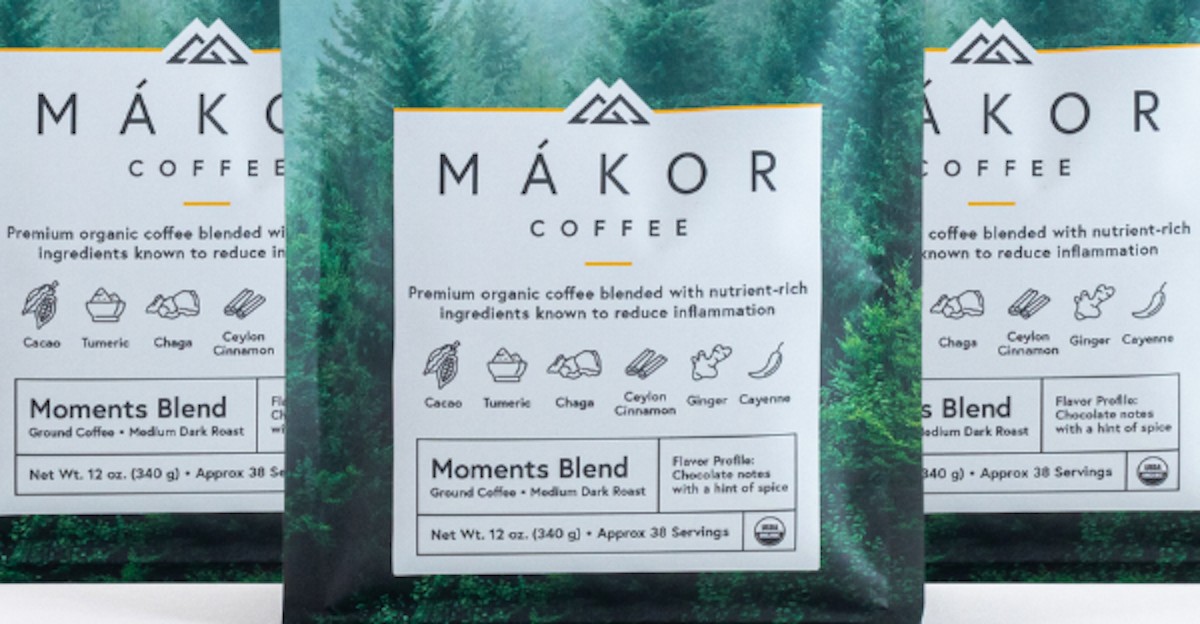
Eli Mash co-founded Makor Coffee, an organic coffee brand that blends coffee with anti-inflammatory spices like turmeric, cinnamon, chaga, ginger, and cayenne to help fight inflammation. Based in Minneapolis, he runs Makor with co-founder Eli Rosenberg while working in tech and raising three kids.
Related Companies
Boxed
Boxed was a New York-based bulk retailer founded in 2013 by Chieh Huang. The company aimed to bring wholesale club pricing to consumers through a mobile-first e-commerce platform, selling groceries, household goods, and electronics in bulk sizes with direct delivery.
2 episodes

Surfing Cow
Surfing Cow was a Cardiff-by-the-Sea, California skincare brand specializing in natural beef tallow-based moisturizers and sun balms.
1 episode

Tail Cinch
TailCinch is an equestrian brand that makes innovative, sustainable horse gear. Their patent-pending tail guards, tail ties, and fly protection products solve real barn problems, designed by horse people for horse people.
1 episode

Makor Coffee
Mákor Coffee crafts organic, wellness-focused coffee blends combining premium Arabica with turmeric, cacao, ginger, and cayenne. Their USDA-certified organic, third-party tested coffee delivers smoother energy and antioxidants without the crash.
1 episode