Advice Line with Jamie Siminoff of Ring (August 2024)
Franchesca Thompson hosts an advice-line episode where three entrepreneurs bring real business challenges to Jamie Siminoff for candid, no-BS feedback. Iyin Akinlabi-Oladimeji of Luji's Chocolate shares his scaling struggles, Jamie Siminoff discusses Ring's hardware adoption journey, and Victor Hugo Hernandez of ErgoFlex Desk walks through furniture logistics. Each caller gets direct, actionable advice on branding, product-market fit, and operational discipline that applies far beyond their specific industry.
Listen on Spotify
Episode Recap
Intro
Franchesca Thompson runs an unfiltered advice-line episode with Jamie Siminoff of Ring as the lead caller, plus two other founders bringing real operational problems to the table. The conversation stays practical, grounded, and free of generic startup advice. Each caller gets direct, specific feedback on the exact business constraint slowing them down.
Caller 1: Iyin Akinlabi-Oladimeji and Luji's Chocolate
Iyin is building Luji's Chocolate and wrestling with how to scale a premium chocolate brand without losing the craft story that makes it different. Siminoff pushes him to stop treating branding as a marketing add-on and instead design it into the product itself, from packaging to unboxing to repeat-purchase mechanics. The advice centers on proving the brand promise at every physical touchpoint, not just in ads.
Caller 2: Jamie Siminoff and Ring
Siminoff turns the tables and presents a Ring-era dilemma around hardware adoption cycles and customer trust. The discussion covers how Ring had to sell a behavioral change, not just a product, and why early metrics can mislead if you track adoption instead of routine. Thompson and Siminoff examine the difference between initial curiosity and durable daily use, which is the real signal for hardware businesses.
Caller 3: Victor Hugo Hernandez and ErgoFlex Desk
Victor brings an ergonomics and DTC distribution challenge with ErgoFlex Desk. The conversation moves through inventory pressure, assembly complexity, and how to use content to shorten the consideration cycle. Siminoff emphasizes eliminating hidden friction in the unboxing and setup experience, because that is where most furniture-like DTC brands lose customers.
Final Thought
The episode closes with a consistent thread: trust is built in operational details, not in brand promises. Whether it is chocolate, smart-home hardware, or ergonomic furniture, the founders who win are the ones who engineer reliability into every customer interaction, not just the first one.
Key Takeaways
- 1Design the brand into the product: Packaging, unboxing, and repeat purchase are branding touchpoints, not just marketing.
- 2Track durable routines, not initial curiosity: For hardware, daily use matters more than first-week adoption.
- 3Remove hidden setup friction: Assembly and unboxing details are where DTC furniture brands lose customers.
- 4Sell behavioral change, not features: People buy outcomes and habits, not specs.
Founders Featured

Iyin Akinlabi-Oladimeji
Iyin Akinlabi-Oladimeji is the founder of Luji's Chocolate, a premium chocolate brand that brings cocoa production back to West Africa. Based in Lewes, Delaware, the company makes chocolate entirely in Nigeria using ethically sourced cocoa.
1 episode

Franchesca Thompson
Franchesca Thompson is Founder and CEO of Thrive 12, an educational resource company supporting teachers and marginalized students. A former Gwinnett County educator, she earned her M.A.T. in Business Education from the University of Georgia and hosts the Everything But The Lesson Plan podcast.
1 episode

Jamie Siminoff
Jamie Siminoff is the founder and CEO of Ring, the smart home security company he started in his garage in 2013. A Babson College graduate and lifelong inventor, he sold Ring to Amazon in 2018 and has since returned to lead the company's next chapter.
2 episodes
Victor Hugo Hernandez
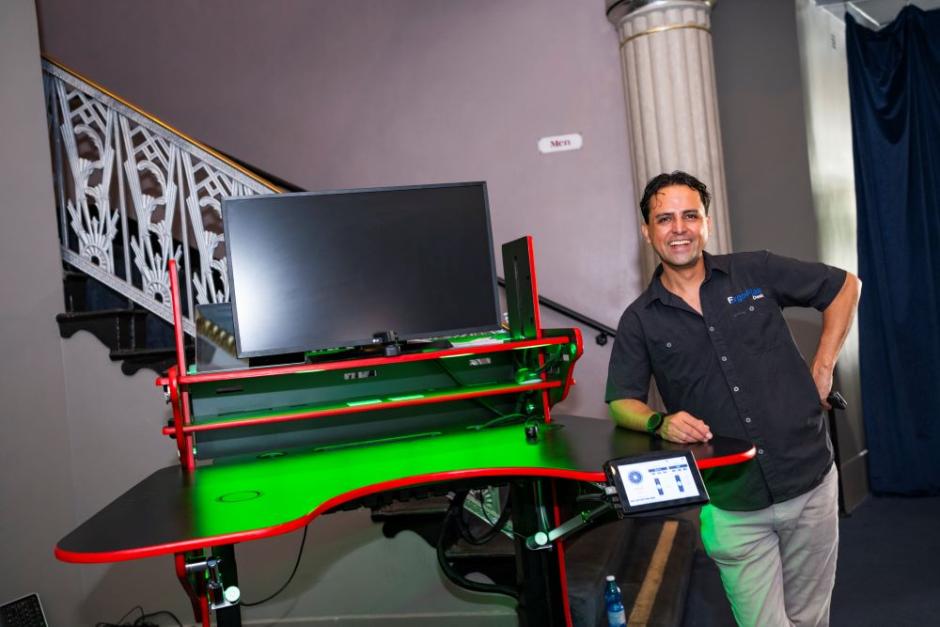
Victor Hugo Hernandez created ErgoFlex Desk, an AI-powered smart ergonomic desk. A Cal Poly Humboldt art graduate, he founded the Humboldt Arts Project before building his ergonomic innovation.
1 episode
Related Companies

Luji's Chocolate
Luji's Chocolate is a women-founded Nigerian chocolate brand that makes single-origin bars with West African ingredients, giving back a cocoa seedling to farmers for every bar sold.
1 episode

Thrive12
Thrive12 is an education company that creates inclusive classroom resources and connects educators through creative tools and community.
1 episode

Ring
Protect your home with savings up to 50%. Meet Ring’s 2 all-new outdoor cameras featuring Retinal 2K. Free shipping and free returns on all US orders. Smart video doorbell with glowing blue ring mounted beside a green front door and silver deadbolt,
2 episodes

ErgoFlex Desk
ErgoFlex Desk makes AI-powered ergonomic smart desks with sit, stand, tilt, and glide motion, motorized app and voice control, and built-in collision safety for healthier workspaces.
1 episode