Advice Line with Miguel McKelvey of WeWork
WeWork co-founder Miguel McKelvey dispenses unfiltered advice to three founders at growth plateaus. A high-end pants maker learns to embed her "why" everywhere, a grief care business discovers AI-optimized content could be its new growth engine, and a history merch brand $750K strong realizes polished Instagram is losing to raw storytelling. Miguel's prescription: tell your story so relentlessly that customers can't forget you exist.
Listen on Spotify
Episode Recap
Intro
In this Advice Line episode, WeWork co-founder Miguel McKelvey sits with Guy Raz to tackle real challenges from founders who've gained initial traction but hit walls. Jane makes $295 pants in a Minneapolis factory but can't scale without losing her soul. Melissa's grief care packages have plateaued at $200K after Google ads collapsed. Lee's History List boasts 50% margins and $750K revenue, yet acquisition won't budge. Miguel's responses reveal a common thread: each founder has the infrastructure but lacks the narrative architecture to break through.
Caller 1: Jane & Copa Threads
Jane's challenge is classic: beautiful, handcrafted $295 trousers made in a local women's factory, but customers don't understand the premium. Miguel's diagnosis is immediate: the factory location, the hand-sourced fabrics, the artisans' stories—all missing from her messaging.
His prescription is twofold. First, embed the "why" everywhere: Instagram stories about the factory workers, blog posts about the Florida fabric sourcer. Second, deploy brand ambassadors wearing the pants in real life. Miguel points to American Giant as a template: every page explains why it's made in America.
Jane's bottleneck isn't manufacturing capacity; it's storytelling deficit. Miguel suggests gifting pairs to local restaurant servers and coffee shop baristas—get the pants into public view where strangers can discover them organically.
Caller 2: Melissa & Good Grief
Melissa's dilemma is digital discoverability in a deeply sensitive niche. Her business, Good Grief, offers care packages for miscarriage, cancer, loss. After three years at $200K, Google ad spend collapsed, and she's drowning in fragmented scenarios.
Miguel's insight cuts to the AI-era foundation: build landing pages for every grief scenario someone might search. "What do I say when someone has a miscarriage?" "How do I support someone with cancer?" These pages become AI-ready assets. He pushes further: create TikTok videos answering these exact questions, YouTube explainers, blog guides.
Melissa mentions they've tried email newsletters but underselects the medium. Miguel challenges her to experiment with AI-powered email automation. And that $75 billion number he drops—"managed grief in the workplace costs employers that annually"—isn't trivia; it's a B2B wedge. Melissa has been cold-emailing hospices; she should be packaging "employer grief solutions" with case studies and metrics.
Caller 3: Lee & The History List
Lee's operation is already robust: $750K revenue, 50% gross margins, made-in-America ethos, and a passionate audience. Customer acquisition costs hover around $20—good by any standard. Yet growth has stalled. His question: how to leverage America's 250th anniversary to expand the base?
Miguel's pushback is uncomfortable: "If I just looked at the numbers, I'd say spend more on ads." But he senses Lee's avoidance of the obvious. The deeper issue is audience perception: Lee believes his market skews older, that TikTok is "not for us." Miguel reframes: age cohorts shift; platforms migrate; narrative is timeless.
His recommendations: launch a weekly history podcast connecting stories to merchandise drops. Repurpose those stories into TikTok videos—rough, real, unpolished. And go niche-to-niche: partner with smaller history podcasts who lack merch.
But Miguel's sharpest point concerns email. Lee mentions a 50% open rate, which is stellar. Yet Miguel notes: "Email buried 200 deep has low findability." The brand needs to stay front-of-mind through varied touchpoints. The goal: make The History List the default mental association whenever someone thinks "history gift."
Final Thought
This Advice Line rewards re-listening because Miguel's advice is deceptively simple but structurally profound. He's not giving marketing tips; he's re-wiring how these founders see their businesses. The brand is the touchpoint. The story is the product. And growth comes from showing up, everywhere, with clarity about why you exist.
Key Takeaways
- 1Embed your 'why' in every customer touchpoint — just listing product features leaves money on the table; tell the story of who makes it, where it's made, and why it matters, repeatedly across all channels.
- 2Build AI-ready content for every search scenario — create dedicated landing pages for each problem you solve; optimize for both SEO and AI assistants to become the default answer when need arises.
- 3Raw authenticity outperforms polished content on emerging platforms — post daily TikTok videos answering customer questions in real time; imperfect, unscripted content builds trust faster than glossy Instagram feeds.
- 4Multiply narrative vectors, don't optimize one channel — use podcast, video, email, direct mail, partnerships, and social to achieve top-of-mind recall; customers forget you if they only hear from you monthly.
- 5Reframe growth plateaus as storytelling failures — before spending more on ads, audit whether your brand story is obvious; if customers can't articulate why you're different, no amount of ad spend fixes that.
More from Miguel McKelvey, Jane Barthel, Melissa Jensky, Lee Wright
Founders Featured
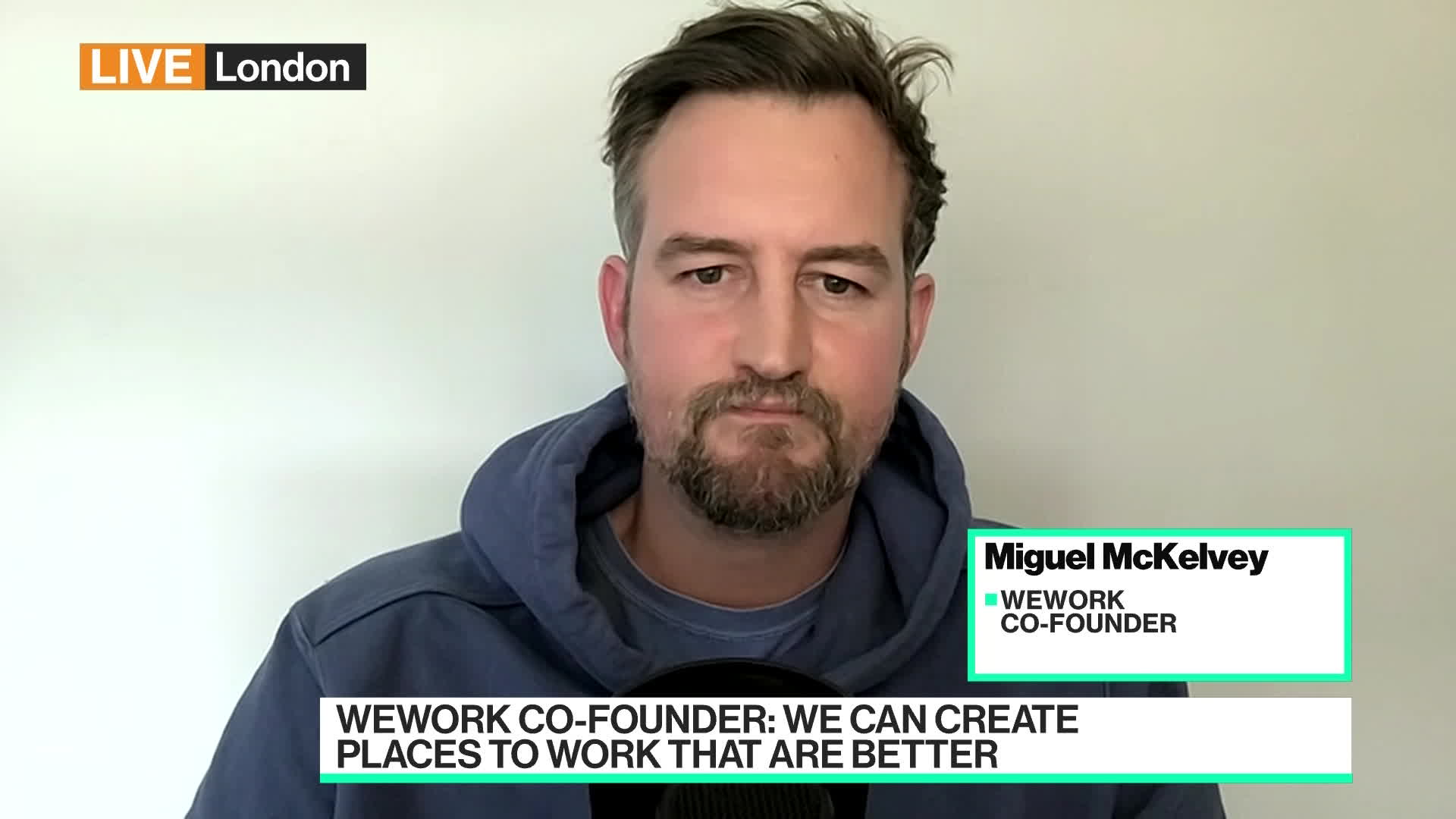
Miguel McKelvey
Miguel McKelvey is the co-founder and former Chief Culture Officer of WeWork, the global coworking and real estate technology company. A architect by training, he helped shape WeWork's unique community-driven approach to workspace design.
Jane Barthel
Jane is the founder of Copa Threads, a company making small-batch, locally-made women's pants designed as wearable art. Based in Minnesota, the pants are produced at a woman-owned factory in Minneapolis with high quality standards. A full-time neonatologist, she creates thoughtful, artful clothin...
Melissa Jensky
Melissa Jensky is co-founder and Chief Inspiration Officer of Good Grief, a Santa Fe-based gifting company building care packages for people navigating loss and difficult seasons. With over 10 years in specialty retail, she oversees fulfillment, inventory, and the company's mission.
Lee Wright
Lee Wright is the founder of The History List Store, a history-themed e-commerce brand based in Marlborough, Massachusetts. The store sells hundreds of products from t-shirts and prints to rare antiques and signed documents, connecting history enthusiasts with curated items that celebrate the past.
Related Companies
WeWork
WeWork provides flexible coworking spaces and office solutions for individuals and teams. Founded in 2010 by Adam Neumann and Miguel McKelvey, the company expanded to approximately 600 buildings across 125 cities worldwide, raising $12.8 billion in financing from investors including the SoftBank Vision Fund. After a tumultuous path, WeWork went public in 2021 through a merger with BowX Acquisition Corp.
2 episodes
Copa Threads
Copa Threads makes small-batch, locally made women's pants designed as wearable art. Produced in Minnesota with high quality standards, each style is developed as a visual point of view—expressive, intentional, and meant to live easily in real wardrobes.
1 episode

Good Grief
Good Grief is an online gifting platform that sells curated care packages for life's twists and turns – from loss of a loved one to cancer, mental health, miscarriage, and beyond. Filled with equal parts heart and humor, each Good Grief box contains practical tools for healing and self-care, packed with a handwritten card.
1 episode

The History List Store
The History List Store sells history-themed merchandise and apparel. Founded by Lee Wright in 2016, it creates original products like the 'History Nerd' design and rare documents. Nearly all items are made in America, connecting enthusiasts with pieces that celebrate the nation's past.
1 episode