Advice Line with Stacy Madison of Stacy’s Pita Chips
Stacy Madison of Stacy's Pita Chips joins the Advice Line to share her journey from farmers market experiment to national brand. She reveals how baking leftover pita bread into chips became a multi-million dollar business, and discusses scaling production while keeping the brand's original spirit. Alex Hildebrandt and Stephanie offer strategic advice on growing with authenticity.
Listen on Spotify
Episode Recap
This episode of Advice Line features Stacy Madison, founder of Stacy’s Pita Chips, returning to the show after her record-breaking 2019 debut that remains a fan favorite among the program’s 600+ episode archive. Madison, a former social worker who built the iconic snack brand from a Boston-area pita sandwich cart before selling to Pepsi in 2007, shares hard-won lessons from her post-pita chip ventures, including a pandemic-era energy bar line that lost $250,000 and burned her out on full-time entrepreneurship.
Caller 1: Alex Hildebrandt & Suyo Pisco
Alex Hildebrandt, founder of Suyo Pisco, faces a different kind of scaling crisis: how to grow a premium craft pisco brand without losing the artisanal story that made it distinctive. After building strong local relationships in Peru, he now wrestles with the tension between mass distribution and maintaining craft credibility. His core question: can you scale distribution without scaling the soul out of the brand?
Stacy pushes back on the idea that growth requires compromising authenticity. She argues that the brands that survive scaling are the ones that embed their origin story into every customer touchpoint—packaging, website, sales training—making the "why" replicable even when the founder isn’t in the room. Alex counters that industrial-scale production inevitably flattens the narrative, but the group agrees that intentional storytelling systems can preserve brand identity across thousands of retail locations. The advice centers on documenting processes early and treating brand history as a product feature, not just marketing copy.
Caller 2: Sam Cagle & Dough Guy
Sam Cagle, founder of Dough Guy, brings a third scaling trap: operational excellence vs. brand personality. After rapid growth from farmers markets to national retail, Sam’s challenge is that the systems needed to scale production can accidentally strip away the quirky, handcrafted identity that attracted early customers. His question: how do you build scalable operations without becoming generic?
Stephanie offers a counterintuitive insight: operational constraints can actually strengthen brand identity. By limiting production to small batches, preserving hand-finishing steps, and making scarcity a feature rather than a bug, Dough Guy can signal authenticity even at larger scale. Stacy agrees, noting that her most loyal customers bought because they knew her story, not just because they liked the chips. The group converges on a principle: scale the systems, not the soul. Document the "why" behind every process, train teams to tell the story, and make brand heritage a repeatable asset rather than a founder-dependent anecdote.
Caller 3: Stephanie Stuckey & Stuckey’s
Stephanie Stuckey, reviving her family’s iconic roadside brand, faces a nostalgia-vs-relevance dilemma. Original customers want the exact 1960s experience, but new customers seek modern convenience. Her challenge—evolve or become a museum piece? She’s trying to refresh the brand without alienating the loyalists who made it iconic.
Alex argues for "strategic nostalgia": keep core iconic products unchanged while introducing adjacent lines that speak to contemporary tastes. Stephanie resists, worried about brand dilution. The breakthrough comes when she reframes the question: not "change or stay the same?" but "what part of our story resonates today?" The group surfaces a principle: scaling a legacy brand isn’t about abandoning the past, it’s about making the past useful. Stephanie decides to feature the brand’s history in her marketing, positioning it as authenticity in an age of artifice—turning a constraint into a differentiator.
Final Thought
This Advice Line shows that growth isn’t just a supply-chain problem; it’s a storytelling problem. Whether you’re scaling from kitchen to factory, from craft distillery to national distribution, or from roadside stand to regional chain, the question isn’t "can we make more?" but "can we stay true while we grow?" All three callers leave with clarity: scale the systems, not the soul.
Key Takeaways
- 1Scale systems, not soul: Document processes early to preserve brand authenticity when production grows.
- 2Story is the product: Customers buy the narrative as much as the item, so embed your 'why' everywhere.
- 3Strategic nostalgia wins: Legacy brands should honor their past while adapting the presentation for modern audiences.
- 4Document before you scale: Capture how things are done at small scale before systems are needed at large scale.
Founders Featured
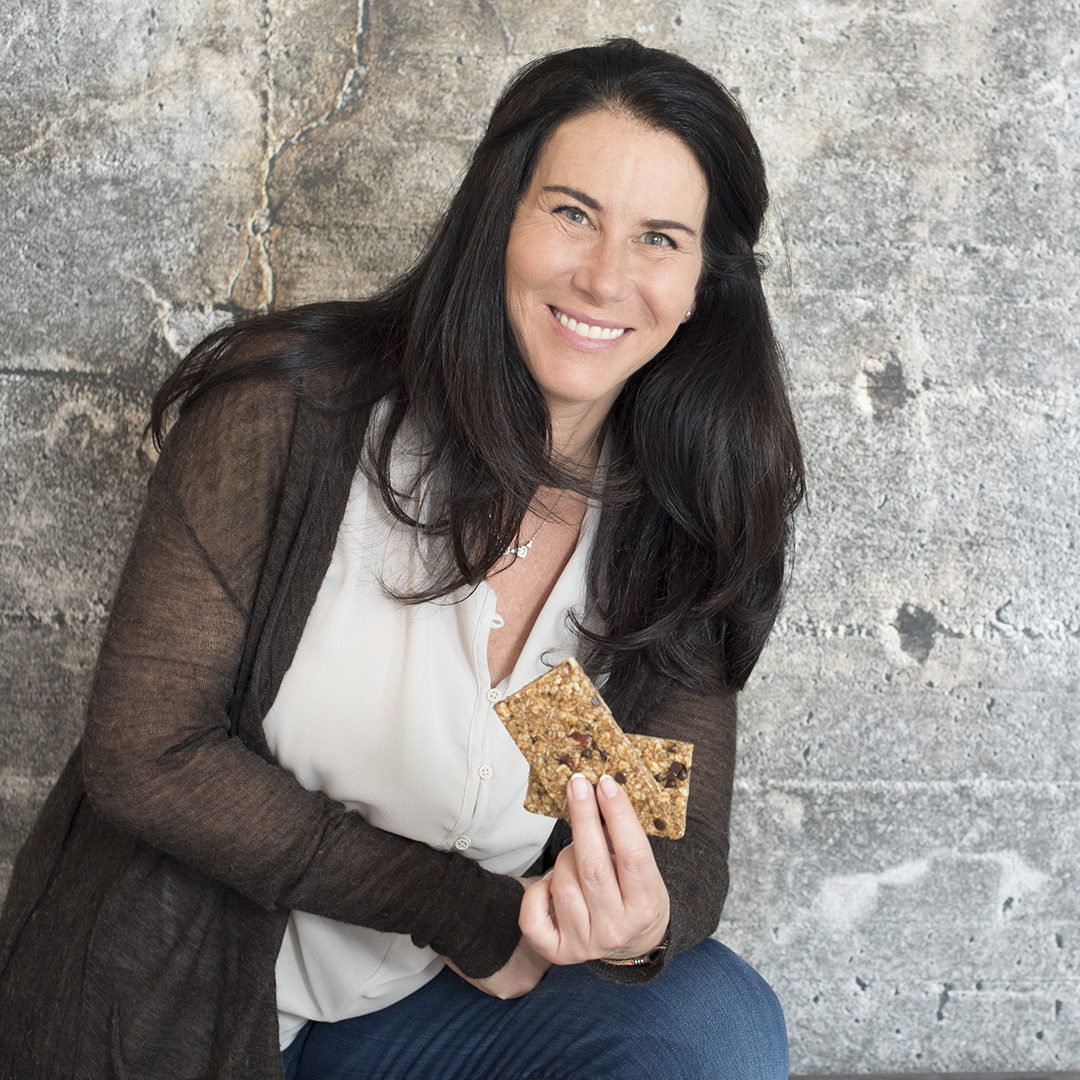
Stacy Madison
Stacy Madison is the founder of Stacy's Pita Chips, a snack brand known for its baked pita chips. She started the company in 1996 with her then-husband Mark Andrus, turning extra pita bread into a grocery staple.
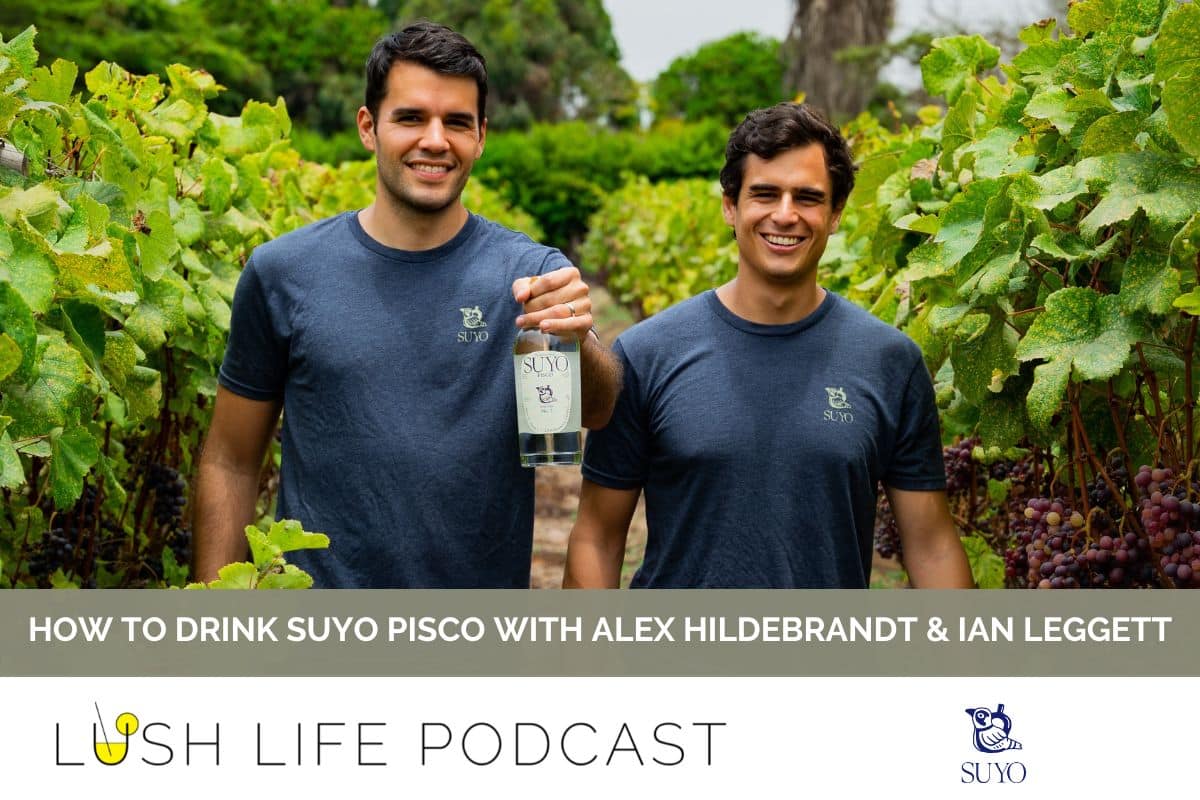
Alex Hildebrandt
Alex Hildebrandt is a Peruvian American co-founder of SUYO Pisco, the B Corp single-origin Peruvian pisco brand featured on the How I Built This podcast. Born in Lima, he moved to the U. S. As a child. He launched SUYO with partner Ian Leggett in 2020, after a 2019 passion project to track down underrecognized small-batch piscos from across Peru to share his cultural heritage.

Stephanie Stuckey
Stephanie Stuckey leads Stuckey's, the legendary roadside stop famous for pecan log rolls. She bought back the family business in 2019 and is reviving the brand her grandfather started in 1937.
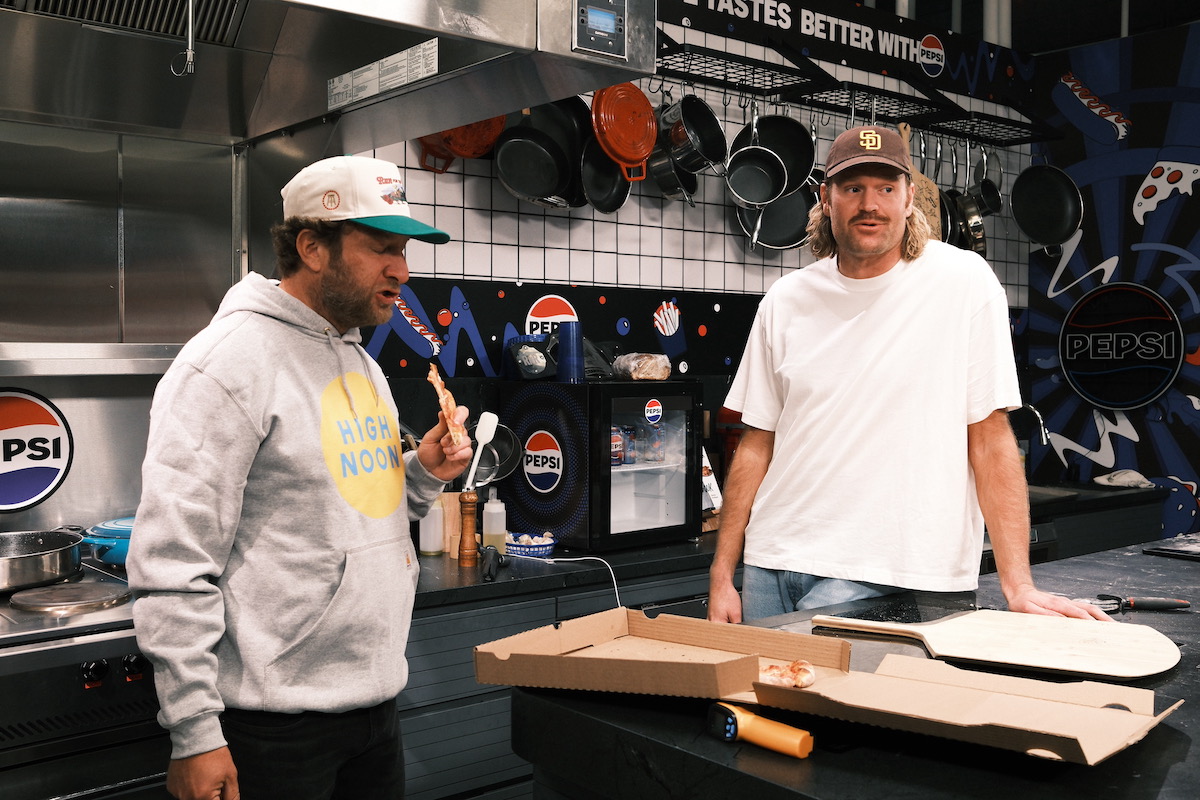
Sam Cagle
ItsDoughGuy is Sam Cagle. He founded Dough Guy, and recently appeared as a guest on the How I Built This podcast. The Pleasant Grove, Utah creator started making pizza at home back in 2019, then built a 344,000-follower community teaching home bakers to make pizzeria-grade pies in standard home ovens. A longtime HIBT listener, he scored a full-circle moment appearing on the show. His story is a masterclass in authentic community building and brand loyalty.
Related Companies
Stacy’s Pita Chips
Stacy's Pita Chips is an American snack brand specializing in baked pita chips and other crunchy snacks. Born from a Boston food cart, the company grew into a national brand and now operates under PepsiCo's Frito-Lay division.
1 episode

Suyo Pisco
Suyo Pisco is a premium Peruvian pisco brand co-founded by Alex Hildebrandt and Ian Leggett. The brand specializes in single-origin, small-batch pisco made from hand-harvested grapes grown near the Pacific Ocean.
1 episode
Stuckey's
Stuckey's is a convenience store chain famous for its pecan log rolls. Founded in 1937 as a roadside pecan stand in Eastman, Georgia, it has grown into a beloved brand serving travelers with candy, food, and fuel across the Southeast and Midwest.
1 episode

Dough Guy
Dough Guy is a pizza brand founded by Sam Cagle that brings restaurant-quality homemade pizza to home bakers. Known for its viral pizza-making content and the Dough Guy Pizza Steel, the brand teaches anyone how to make authentic pies in a standard home oven.
1 episode