MadeGood: Salma and Nima Fotovat Lost Their First Business. They Grew Their Next One Into a Snack Giant.
Salma and Nima Fotovat turned the gut punch of losing their first business into the foundation for MadeGood, now a leading national snack giant. They share the hard-won lessons from that early failure, the strategic pivots that built their beloved allergen-friendly, kid-approved snack brand trusted by families across the U. S., and actionable insights for entrepreneurs looking to bounce back from setbacks and scale a mission-driven food business.
Listen on Spotify
Episode Recap
This episode of How I Built This, titled MadeGood: Salma and Nima Fotovat Lost Their First Business. They Grew Their Next One Into a Snack Giant, features Salma and Nima Fotovat, sibling co-founders of the massively popular allergy-friendly snack brand MadeGood. The pair walk host Guy Raz through their winding entrepreneurial journey, which began with a failed first venture before they built one of the fastest-growing snack companies in North America.
Early Failure and Market Research Pivots
After their first venture, an organic family meal kit delivery service, folded due to supply chain missteps and unchecked overextension, the Fotovat siblings took months to dissect their missteps, noting they had prioritized rapid growth over operational stability and ignored early warning signs of cash flow strain. As parents struggling to find safe, tasty snacks for their kids with common food allergies, they identified a glaring gap in the snack market, and. Spent months researching allergen-free formulation and manufacturing to lay the groundwork for their next business..
Bootstrapping MadeGood’s Early Operations
The pair launched MadeGood in 2011 out of a small commercial kitchen, starting with a single line of granola bars formulated to be free of the top 11 allergens, a rare offering in mainstream retail at the time. Salma led product development and quality testing, while Nima managed sales and outreach to independent natural food stores, bootstrapping all early operations to avoid taking on debt that would force them to compromise on their mission. They prioritized rigorous third-party testing and transparent labeling to build trust with parents, a core brand value that quickly earned them a loyal customer base even as they worked to secure placement in major regional grocery chains. As demand grew, they invested in their own dedicated manufacturing facility to maintain strict quality control and avoid the supply chain pitfalls that had sunk their first business, a deliberate choice that allowed them to scale without sacrificing their safety standards. It was a gamble.
Scaling Sustainably and Staying True to Their Mission
The Fotovat siblings discuss the challenges of scaling a CPG brand in an increasingly crowded market, including navigating the e-commerce boom of the COVID-19 pandemic, which they leaned into by expanding their direct-to-consumer operations and launching new product lines including soft-baked bites and cookie squares. They share that they turned down multiple early acquisition offers to retain full control of their brand and mission, rejecting pressure to cut corners on ingredient quality or accessibility to speed up growth. They note that their biggest takeaway from their first failure was the importance of building a resilient, team-focused operation rather than chasing unsustainable rapid expansion, a principle that has guided MadeGood’s steady, profitable growth to over $100 million in annual revenue as of the episode’s recording. The Fotovat siblings’ journey makes clear that early entrepreneurial missteps can serve as a critical foundation for building a lasting, purpose-driven brand.
Key Takeaways
- 1Validate demand before scaling production: After their first business failure, Salma and Nima Fotovat of MadeGood tested small-batch snacks with local retailers to confirm strong consumer demand before investing in large-scale manufacturing, avoiding costly overproduction risks.
- 2Target a clear underserved market segment: MadeGood built its entire product line around allergen-free, school-safe snacks, a high-demand niche that let the company avoid head-to-head competition with established mainstream snack brands.
- 3Leverage past failure to refine strategy: Salma and Nima Fotovat applied hard-earned lessons from their first venture’s supply chain and customer validation missteps to MadeGood’s go-to-market plan, eliminating avoidable early-stage risks.
- 4Build early retail proof points for scale: The MadeGood team first secured placements in small local grocery stores to gather verifiable sales data, which they used to pitch larger national retail chains for expanded distribution later.
- 5Validate demand before scaling production: After their first business failure, Salma and Nima Fotovat of MadeGood tested small-batch snacks with local retailers to confirm strong consumer demand before investing in large-scale manufacturing, avoiding costly overproduction risks.
Founders Featured
Nima Fotovat
Co-founder and President of MadeGood. Alongside his sisters Salma and Sahba, Nima launched MadeGood in 2014 after their family food business was sold in 2012.
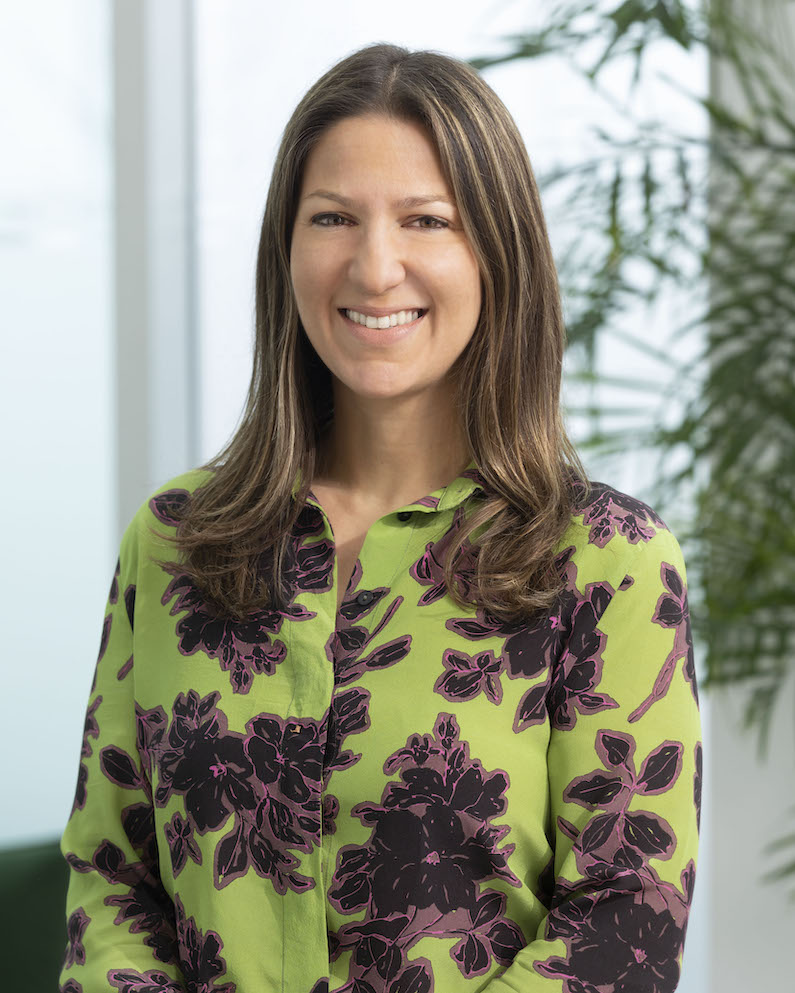
Salma Fotovat
Co-founder of MadeGood and Riverside Natural Foods, where she leads impact and responsible sourcing. Salma launched MadeGood with her siblings in 2014.