Advice Line with Angie & Dan Bastian of Angie's BOOMCHICKAPOP
Angie and Dan Bastian, the founders behind Angie's Boom Chicka Pop, return to The Advice Line to guide founders through the messy middle of growth. In this episode, they counsel Michelle Pusateri of Nana Joe's Granola on raising capital without selling out, Gloria Kolb of Elida on breaking the stigma around pelvic health, and Eric Poulin of MapleRoo on scaling authentically in a crowded market. Their advice? Stay rooted in mission, let your passion show, and remember that slow, steady wins the race.
Listen on Spotify
Episode Recap
Angie and Dan Bastian of Angie's Boom Chicka Pop know the toll of scaling. Today they help three founders navigate dilemmas.
Caller 1: Michelle Pusateri & Nana Joe's Granola
Michelle Pusateri grew Nana Joe's Granola to $2.2 million with her own San Francisco factory. After fifteen years bootstrapping, she needs $1–2 million to hire sales, launch marketing, and automate. But investors have misaligned values—one wanted extra equity at signing, another insisted she drop organic certification. How does she find partners who accelerate her mission?
Dan says minority deals exist; their own investor Sherbrooke Capital never changed the company's direction. Angie stresses that values-aligned capital is out there; your job is to communicate your why relentlessly. They also recommend bringing in a mentor or advisor who's already exited natural foods—someone who can open doors to Kroger or Costco without taking equity. Most of all, Michelle must lead every pitch with her personal story; she's the brand's best storyteller.
Caller 2: Gloria Kolb & Elida
Gloria Kolb, an MIT and Stanford-trained biomedical engineer, founded Elida after childbirth left her with pelvic floor weakness. Their wearable device treats bladder leaks without internal insertion. Digital marketing costs spiked last year and sales stalled. Women won't publicly affiliate with the condition, so referral programs die. How do you build word-of-mouth for a stigmatized product?
Angie says reframe it: Elida isn't just for incontinence—it's for pelvic health, prevention, and sexual wellness. Compare it to sleep rings or CGMs that went mainstream. Gloria must become the public face, sharing her story on podcasts, substacks, and women's health newsletters. Dan suggests physical presence: gyms, yoga studios, MediSpas. They also propose finding a prominent female partner (a retired athlete or celebrity) who can lend credibility and take equity. The brand isn't the device—it's Gloria's mission to give women control.
Caller 3: Eric Poulin & MapleRoo
Eric Poulin co-founded MapleRoo in Australia, making organic sports nutrition with Canadian maple syrup. Forecast: $250K this year, 80% direct-to-consumer, with 20 retailers reordering. They manufacture in Canada and ship to Australia, and overseas interest is growing. How do they scale in a category dominated by Clif and GU without losing authenticity?
The Bastians see their younger selves. Dan urges Eric to stay local for another 6–8 months, hitting run clubs and triathlon events to build a community of athlete advocates. Angie says packaging must communicate benefits immediately—words like "slow burning energy" or "quick absorption" up front—and all SKUs must share a unified look so shelf presence is unmistakable. They advise against rushing international expansion; wait until domestic sales hit $500K–$1M, then use momentum to attract distributors. Eric's passion is his biggest asset—he must teach any hire to speak with that same voice.
Final Thought
Three conversations, one truth: mission alignment isn't negotiable, growth should never mean selling out, and the founder's authentic story is the most powerful marketing asset. Whether raising capital, destigmatizing a category, or expanding globally, protect your health, keep the phone off at dinner, and remember people buy people—not products.
Key Takeaways
- 1Mission alignment trumps capital: Choose investors who respect your values; minority stakes preserve control.
- 2Be the face of your stigma: Founder storytelling breaks barriers and builds trust for sensitive products.
- 3Packaging is your silent salesperson: Front-side clarity and cohesive brand architecture convert on shelf.
- 4Grow organically before going global: Build domestic base to $500K–$1M before expanding internationally.
- 5Local community informs strategy: Direct engagement at events creates advocates and tests retail readiness.
Founders Featured
Angie Bastian
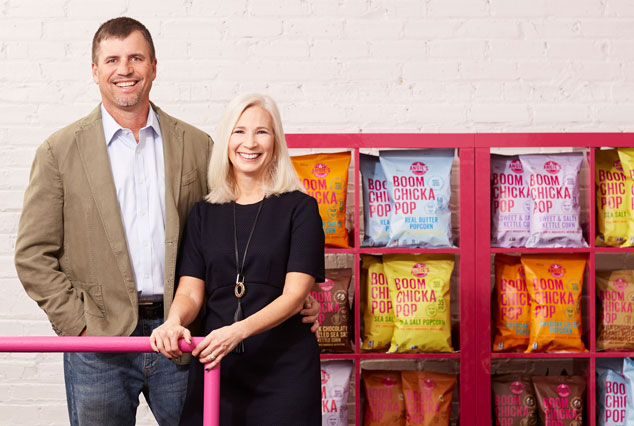
Angie Bastian is the co-founder of Angie's BOOMCHICKAPOP, a natural kettle corn brand she started with her husband Dan in 2001. What began as a small operation to fund their children's education grew into one of America's fastest-growing natural snack brands, based in Mankato, Minnesota.

Dan Bastian
Dan Bastian co-founded Angie's BOOMCHICKAPOP with his wife Angie in 2001, operating from their Mankato, Minnesota garage. After spotting an internet ad for kettle-corn equipment, he launched a weekend venture that grew into a leading natural popcorn brand, which the couple sold in 2017.

Gloria Kolb
Gloria Kolb is the Founder and CEO of Elidah, a medical device company creating innovative solutions for women's health. With over 20 years of product development experience and more than a dozen patents, she leads the team behind ELITONE, a non-invasive wearable treatment for urinary incontinence.

Eric Poulin
Eric Poulin is the co-founder of mapleROO, an endurance nutrition brand powered by pure Canadian maple syrup. A Canadian-born Ironman athlete based in Australia, he hosts the mapleROO Podcast exploring fuel selection for endurance performance.
Michelle Pusateri
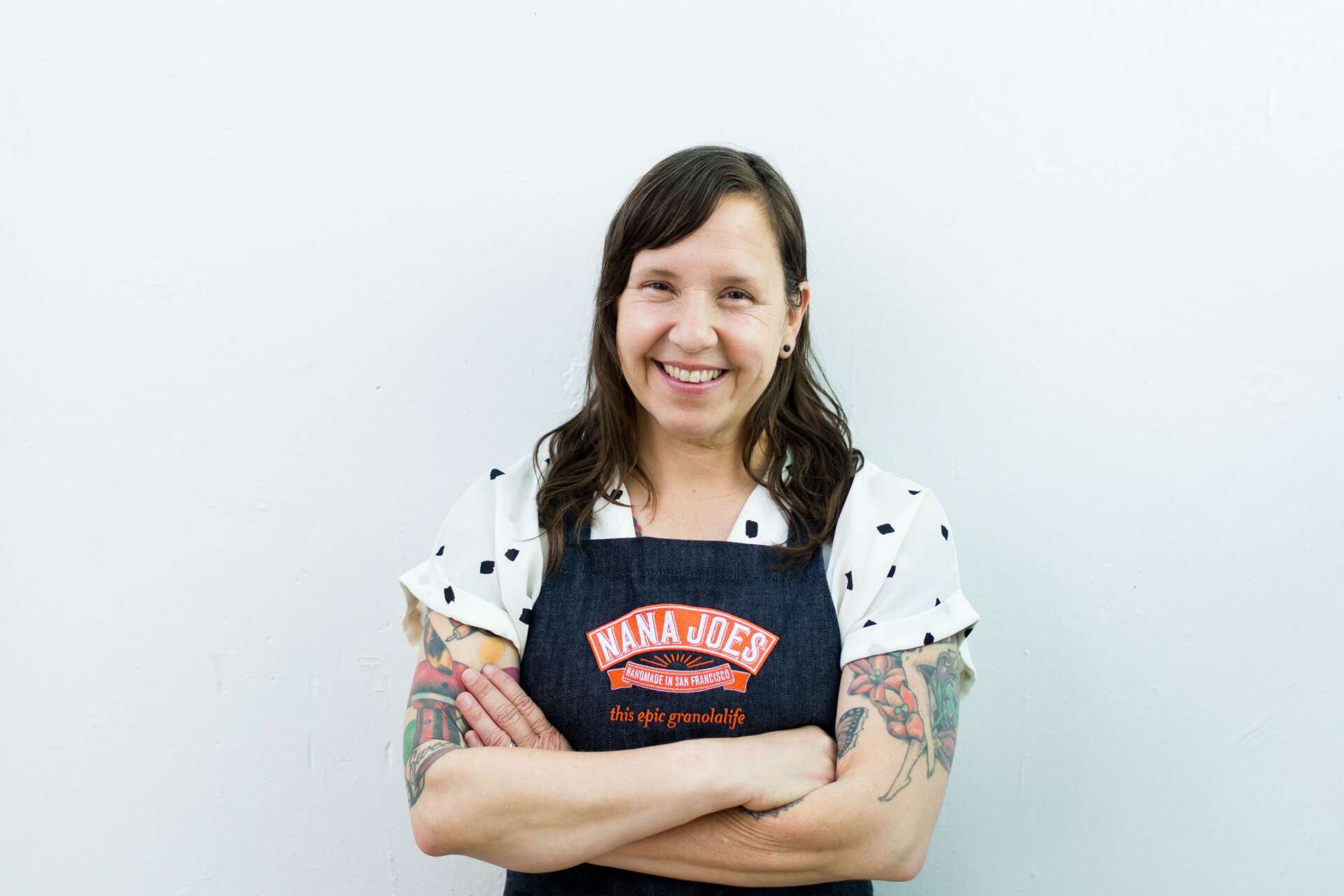
Michelle Pusateri is the founder of Nana Joe's Granola, a San Francisco-based maker of vegan, gluten-free granola. A pastry chef by background, she started the company in 2010 to bring whole-food breakfasts back to the table.
Related Companies
Angie's BOOMCHICKAPOP
Crush your cravings with Angie's BOOMCHICKAPOP Ready-to-Eat Popcorn, microwave popcorn, seasonal and flavored popcorn.
2 episodes

Elidah
Elidah is a woman-owned medical device company that develops FDA-cleared pelvic health solutions. Its flagship product, ELITONE, is a non-invasive wearable device that uses surface electrical stimulation to treat stress, urge, and mixed urinary incontinence.
1 episode

mapleROO
mapleROO is an Australian sports nutrition company that makes energy gels, drink mixes, and waffles from 100% pure Canadian maple syrup. All-natural, organic certified, and gut-friendly products for athletes.
1 episode
Nana Joe's Granola
Nana Joe's Granola is a women-owned granola company based in San Francisco. Founded in 2010 by Michelle Pusateri, they make handmade granola that's gluten-free, paleo, and vegan. Their products use whole food ingredients and no refined sugars, including EPIC Chocolate Oat and Paleo Sunrise.
1 episode