Advice Line with Bobby Trussell of Tempur-Pedic
Bobby Trussell returns to Advice Line to help three founders navigate growth. Leif Gildersleeve wrestles with scaling Flying Fish Company beyond his Portland restaurant. Colleen King of Hala Gear debates marketing versus product expansion. And Amanda Horan of Line & Cleat seeks pre-seed capital strategies without a startup network. Trussell's core message: focus, prove your model, and let clarity guide every decision.
Listen on Spotify
Episode Recap
Intro
Guy Raz welcomes back Bobby Trussell of Tempur-Pedic for another Advice Line episode. Three founders call in with growth challenges: a fish market and restaurant unsure how to expand, a river SUP company weighing distribution against product lines, and a life jacket brand fundraising without startup connections.
Caller 1: Leif Gildersleeve & Flying Fish Company
Leif Gildersleeve built Flying Fish Company into a Portland staple over 15 years, evolving from farmers market stall to a full restaurant and market where dining now generates 75% of revenue. He asks: should he open a second location, franchise, or stay put? Bobby Trussell's first reaction: don't franchise yet. Flying Fish's advantage is the trust built through the market—customers see the fish, then eat it. His advice: open a second Portland location first to prove the model is replicable before expanding further. Trussell shares a lesson from Tempur-Pedic's international expansion: the person on the ground makes or breaks the
Caller 2: Colleen King & Hala Gear
Colleen King acquired Hala Gear, a pioneer in whitewater inflatable paddleboards, two years ago after COVID disrupted the outdoor industry. The company is forecasted at $850,000 this year with 85% direct-to-consumer sales and has been profitable for two straight years. Her question: where to invest next—grow the river community through education and events, expand into specialty shops, or develop adjacent products? Trussell shares a critical lesson from Tempur-Pedic's early days: Swedish material scientists wanted to put the foam in chairs, insoles, hospital beds—everything. Bain Capital research revealed they were "a very small part of a very big niche" and that
Caller 3: Amanda Horan & Line & Cleat
Amanda Horan co-founded Line & Cleat, the only women-owned U.S. Coast Guard-approved life jacket brand, launching in 2023 with rapid early sales and adult sizing coming in spring 2026. She's raised $50,000 of a $400,000 pre-seed round but keeps hitting a wall: VCs love the product but say "call us when you're bigger." Her question: how to break into fundraising without startup world connections? Trussell says the problem isn't connections—it's proof. Investors bet on data, not people. He asks: can she show a distribution partner, a national chain, any evidence the brand can scale? He shares the classic Tempur-Pedic origin:
Final Thought
Three calls, three stages of growth. Leif is proven but unsure how to replicate; Colleen has product-market fit but must choose where to focus; Amanda has early traction but needs capital to scale. Trussell's through-line: systematize what works, then find people who can execute it. Whether it's a brand handbook, content that educates a niche, or a financial story that proves scale—clarity beats complexity every time.
Key Takeaways
- 1Niche dominance beats scattered presence: Tempur-Pedic ignored peripheral ideas to own mattresses; decide whether to deepen or broaden your focus.
- 2Codify your 'why' before you scale: Write the brand handbook first—it's how you replicate yourself through people when you're not in the room.
- 3Content grows categories, not just brands: Hala Gear's YouTube teaches paddlers; education expands the pond for everyone, including you.
- 4The second location test: Never franchise until you've proven you can clone success in a second owned location—replicability precedes scalability.
- 5Spend 10% on advertising or accept slow growth: Trussell's rule of thumb isn't optional; if you're not funding awareness, you're limiting your ceiling.
Founders Featured

Bobby Trussell
Bobby Trussell is the founder of Tempur-Pedic, the mattress company he launched in 1992 after a career shift from horse racing. A native of Milwaukee, he discovered memory foam on a trip to Sweden and built Tempur-Pedic into a global brand.
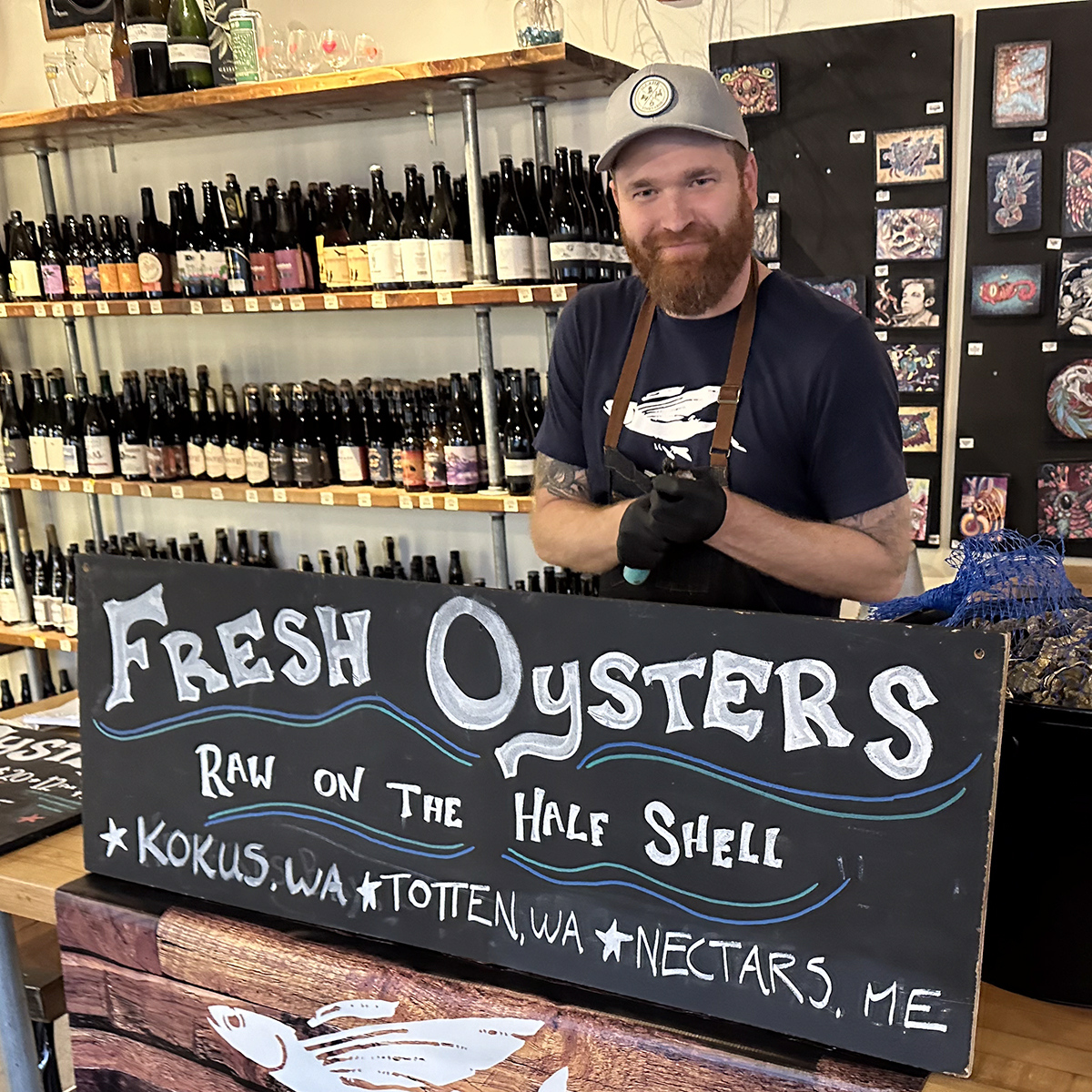
Leif Gildersleeve
Leif Gildersleeve is the second-generation owner of Flying Fish Company, a sustainable seafood retailer founded by his father in 1979. Based in Portland, Oregon, he grew the business from a food truck into a thriving brick-and-mortar market while advocating for responsible fishing practices.
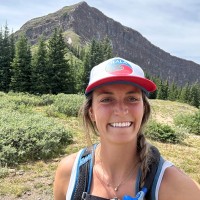
Colleen King
Colleen King is the owner of Hala Gear, a Steamboat Springs-based company designing inflatable paddle boards for whitewater and recreational use. A longtime local and former franchising expert, she acquired the brand from founder Peter Hall in 2024.
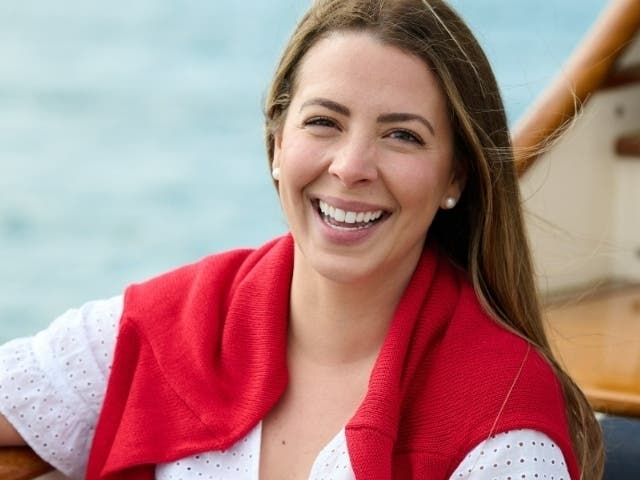
Amanda Horan
Amanda Horan co-founded Line + Cleat, the only woman-owned life jacket company in the United States. Launched in 2023, the brand creates US Coast Guard-approved children's life jackets that blend safety with style, addressing a gap she found as a mother and former youth soccer coach.
Related Companies

Tempur-Pedic
Tempur-Pedic is a manufacturer of mattresses and pillows made from proprietary viscoelastic foam. Part of Somnigroup International, the company is headquartered in Lexington, Kentucky with manufacturing facilities in Virginia and New Mexico.
1 episode
Flying Fish Company
Flying Fish Company is a sustainable seafood business operating a fish market and restaurant in Portland, Oregon. The company sources humane, ocean-friendly protein and operates a food cart alongside its retail and dining locations.
1 episode

Hala Gear
Hala Gear is a recreational sports company that designs and manufactures inflatable paddle boards and accessories. Founded in 2011 in Steamboat Springs, Colorado, the company focuses on performance, durability, and innovation for whitewater and river surfing applications.
1 episode
Line & Cleat
Shop Line + Cleat USCG approved designer children's life jackets made with premium materials in elegantly subtle colorways to fit your lifestyle.
1 episode