Advice Line with Dave Weiner of Priority Bicycles
Guy Raz takes calls with Priority Bicycles founder Dave Weiner on this Advice Line episode, helping entrepreneurs navigate growth, education, and balance. Dave Lanning of Dave's Coffee seeks to expand coffee milk syrup beyond Rhode Island, Alex Plante of Kinloch Farmstead wrestles with scaling versus sustainability, and Sabrina Sherwood of Idaho Barkery targets corporate clients with custom dog treats. Together, they unpack how to open new categories, delegate without losing control, and segment markets for B2B and B2C success.
Listen on Spotify
Episode Recap
Guy Raz hosts this Advice Line episode with Dave Weiner, founder and CEO of Priority Bicycles, who returns to guide three entrepreneurs through their business challenges.
Caller 1: Dave Lanning (Dave's Coffee)
Dave Lanning, a Rhode Island coffee roaster, faces a classic category-education problem. His coffee milk syrup—a concentrated coffee and cane sugar product—is beloved locally but confusing nationally. Customers mistake it for coffee concentrate or simple syrup, and expansion has stalled. Dave Weiner recognizes the core issue immediately: people don't know what coffee milk is, so they can't know why Dave's Coffee leads the category. His advice centers on teaching the market before asking them to buy. He suggests a multi-pronged education strategy: partner with bars and bartenders to feature the product in cocktails like espresso martinis; launch a PR campaign to tell the story nationwide; and execute pop-up tastings in coffee-centric cities like Portland, Brooklyn, and Seattle. Weiner offers tactical labeling ideas—"Crafted in Rhode Island, the birthplace of coffee milk"—and proposes leveraging Rhode Island celebrity Nick DiGiovanni as an influencer. The underlying principle: spend money to build awareness, because recognition must come before purchase.
Caller 2: Alex Plante (Kinloch Farmstead)
Alex Plant runs a 30-acre diversified farm in upstate New York with lavender, weddings, wine, and farm stands. After seven years, she's burned out, working year-round despite intending seasonal operations. Her question: when to stay small versus scale? Weiner and Raz both emphasize that growth isn't inherently good. Weiner suggests a rigorous exercise: list every revenue stream, then score each on revenue percentage, time required, gross margin, and personal fulfillment. For Alex, the analysis likely reveals that weddings—while profitable—drain energy without proportional satisfaction. The advice is two-fold: hire an events manager to reclaim time, and consider that a smaller, profitable, lifestyle-aligned business often beats a larger, miserable one. Weiner shares his own journey from working every night and weekend at Priority to finally hiring people he could trust. The core insight: expand only if it improves your life, not just your revenue.
Final Thought
This episode rewards listening because the advice transcends each caller's specific industry. Whether you sell coffee syrup, farm experiences, or dog treats, the questions are universal: How do you educate a market that doesn't know it needs you? How do you grow without burning out? And how do you speak differently to different customers? Weiner's answers—category education, ruthless prioritization, and market segmentation—form a playbook for any founder hitting their own growth ceiling.
Key Takeaways
- 1Open categories before claiming leadership: Customers can't know you're the best at something they don't understand; invest in education through PR, events, and content before demanding market share.
- 2Separate your buyer personas with dedicated funnels: Consumer and corporate customers speak different languages and search different terms; give each a dedicated website or landing page to capture intent effectively.
- 3Scale only if it improves your life, not just revenue: Growth for its own sake leads to burnout; ruthlessly evaluate time, margin, and joy to decide which opportunities are worth pursuing.
- 4Delegate to elevate, not just offload: Hiring isn't about dumping tasks—it's about freeing yourself for higher-impact work; trust people to run with it and monitor data, not details.
- 5Use physical mail to break through digital noise: Sending a custom physical sample—a branded dog treat or a mock-up bike—to a target buyer cuts through email clutter and creates memorable brand experiences.
Founders Featured
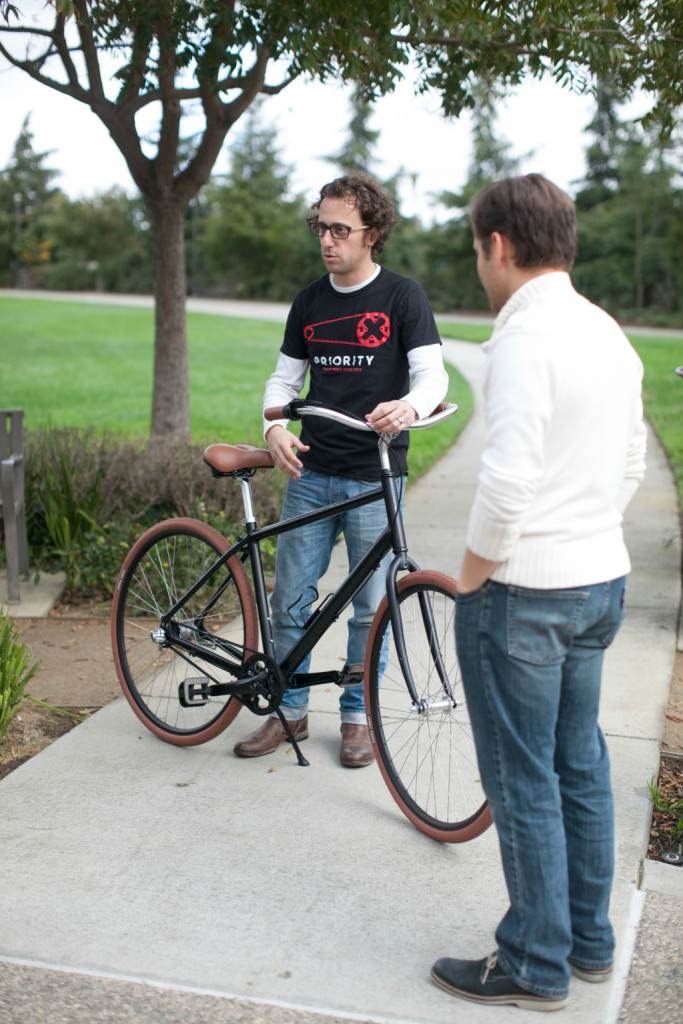
Dave Weiner
Dave Weiner is Founder and CEO of Priority Bicycles, launched in 2012 to create low-maintenance bicycles at fair prices. A cyclist who built bikes as a kid and worked in bike shops through college at UC Santa Barbara, he previously served as North American CEO of a software company.
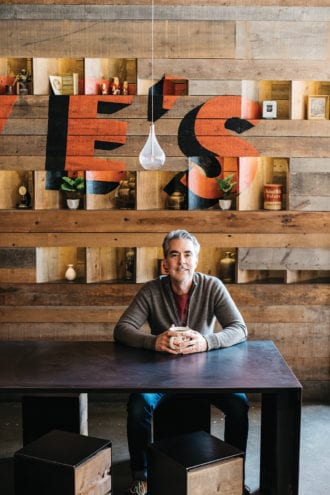
Dave Lanning
Dave Lanning is the founder and CEO of Dave's Coffee, a Rhode Island-based artisan coffee roaster that began as a small cafe in a historic 1740 farmhouse in Charlestown in 1998. The company roasts Brazilian beans and creates coffee syrups with pure cane sugar for wholesale distribution.
Alex Plante
Alex Plante is the owner of Kin Loch Farmstead, Western New York's first lavender farm. After leaving a corporate marketing career in New York City, she founded the farm in 2018 with her husband Ryan, transforming 30 acres into a thriving lavender oasis and event venue.
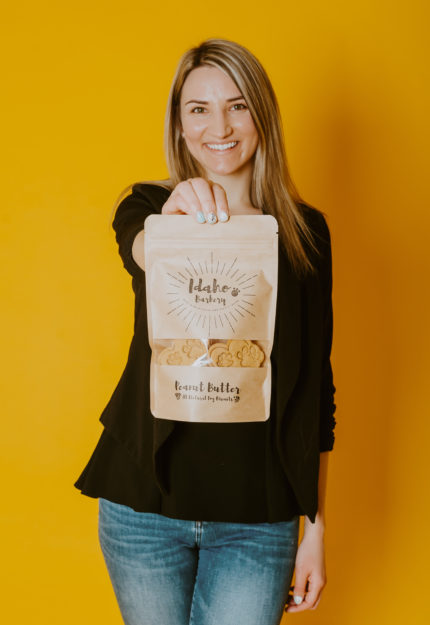
Sabrina Sherwood
Sabrina Sherwood is the founder of Idaho Barkery, a Boise-based company crafting gourmet all-natural dog treats. A clinical pharmacist by training, she started the business during the COVID-19 pandemic to create safe treats for her allergic dog, Rocky.
Related Companies

Priority Bicycles
Priority Bicycles is an American bicycle manufacturer based in New York City that specializes in low-maintenance, belt-drive bicycles for everyday riders. The company designs rust-resistant, customizable fleet bicycles used by hotels, resorts, and commuters worldwide.
1 episode
Dave's Coffee
Dave's Coffee is a Rhode Island-based artisan coffee roaster. Since 2009, they've crafted exceptional coffees for cafes, restaurants, and markets while operating their own cafes in Providence and Charlestown.
1 episode

Kinloch Farmstead
Kinloch Farmstead is a family-owned lavender farm and event venue in Western New York. Founded in 2018, the 30-acre farm produces lavender products and operates a small-batch winery alongside its rustic barn wedding venue.
1 episode

Idaho Barkery
Idaho Barkery crafts hypoallergenic, all-natural dog treats from its Boise kitchen. Founded by a pharmacist, the company uses simple, plant-based ingredients to create safe, delicious cakes and biscuits for dogs with sensitive stomachs.
1 episode