Advice Line with David Neeleman of JetBlue
David Neeleman, the aviation entrepreneur behind JetBlue, Azul, and Breeze, shares hard-won lessons on scaling airlines without losing soul. He argues that true leadership means hiring people who care more than you do, and that cutting costs at the expense of culture is the fastest way to destroy a brand. From choosing the right airplanes to building teams that treat customers like family, Neeleman's advice cuts through the noise of typical business platitudes.
Listen on Spotify
Episode Recap
Intro
Barbara Storper introduces this Advice Line episode with David Neeleman as the main voice, the aviation entrepreneur who built JetBlue, Azul, and Breeze from scratch. The focus is on his hard-won lessons on scaling airlines without losing soul—and on why cutting costs at the expense of culture is the fastest way to destroy a brand. Later, Jeff Piejak joins to share how he turned obstacle courses into a nationwide kids' fitness empire.
David Neeleman & JetBlue
Neeleman's first warning hits hard: "Most companies die from indigestion, not starvation." He's seen too many founders add routes, products, or features just because they can, not because they should. When he started JetBlue, he picked one airplane model—the A320—and stuck with it for years. That simplicity let him train crews faster, maintain planes cheaper, and build a brand around reliability. Scaling, he says, means saying no to good opportunities so you can say yes to the right ones.
His second point cuts deeper: hire people who care more than you do. At JetBlue, flight attendants once gave a stranded passenger their own hotel points. That kind of ownership can't be scripted; it comes from hiring for values, not just experience. Neeleman admits he's made the mistake of hiring "A-players" who only cared about their next promotion. The fix? Look for curiosity, not credentials.
Guest Perspective: Jeff Piejak & Ultimate Ninjas
Piejak built Ultimate Ninjas into a nationwide kids' fitness brand by making failure fun. When a child falls off the warped wall, the crowd cheers louder. His insight: kids don't quit because they're bad at obstacles; they quit because they feel embarrassed. So he redesigned the experience to celebrate effort, not just success. That philosophy now shapes everything from staff training to facility design.
His scaling secret is counterintuitive: franchisees must fail the certification test twice before they pass. "If you sail through on your first try, you haven't seen the edge cases," Piejak explains. By forcing early failure in a controlled environment, he ensures franchise owners can handle real-world chaos without crumbling.
Final Thought
The common thread across these stories isn't a growth hack or a clever pivot. It's the willingness to be worse on paper to be better in practice. Neeleman could've added more planes faster. Piejak could've streamlined his certification. Each chose the path that preserved what mattered most—and found that customers rewarded them for it.
Key Takeaways
- 1Hire for curiosity, not credentials: Neeleman learned that A-players often chase their next promotion, while genuinely curious people ask why things work and stay to improve them.
- 2Scale by saying no to good opportunities: Most companies die from indigestion, not starvation. Neeleman stuck with one airplane model at JetBlue for years to maintain simplicity.
- 3Make failure celebratory, not shameful: Piejak engineered his obstacle courses so crowds cheer louder when someone falls, turning fear of failure into motivation to try again.
More from David Neeleman, Barbara Storper, Jeff Piejak
Founders Featured
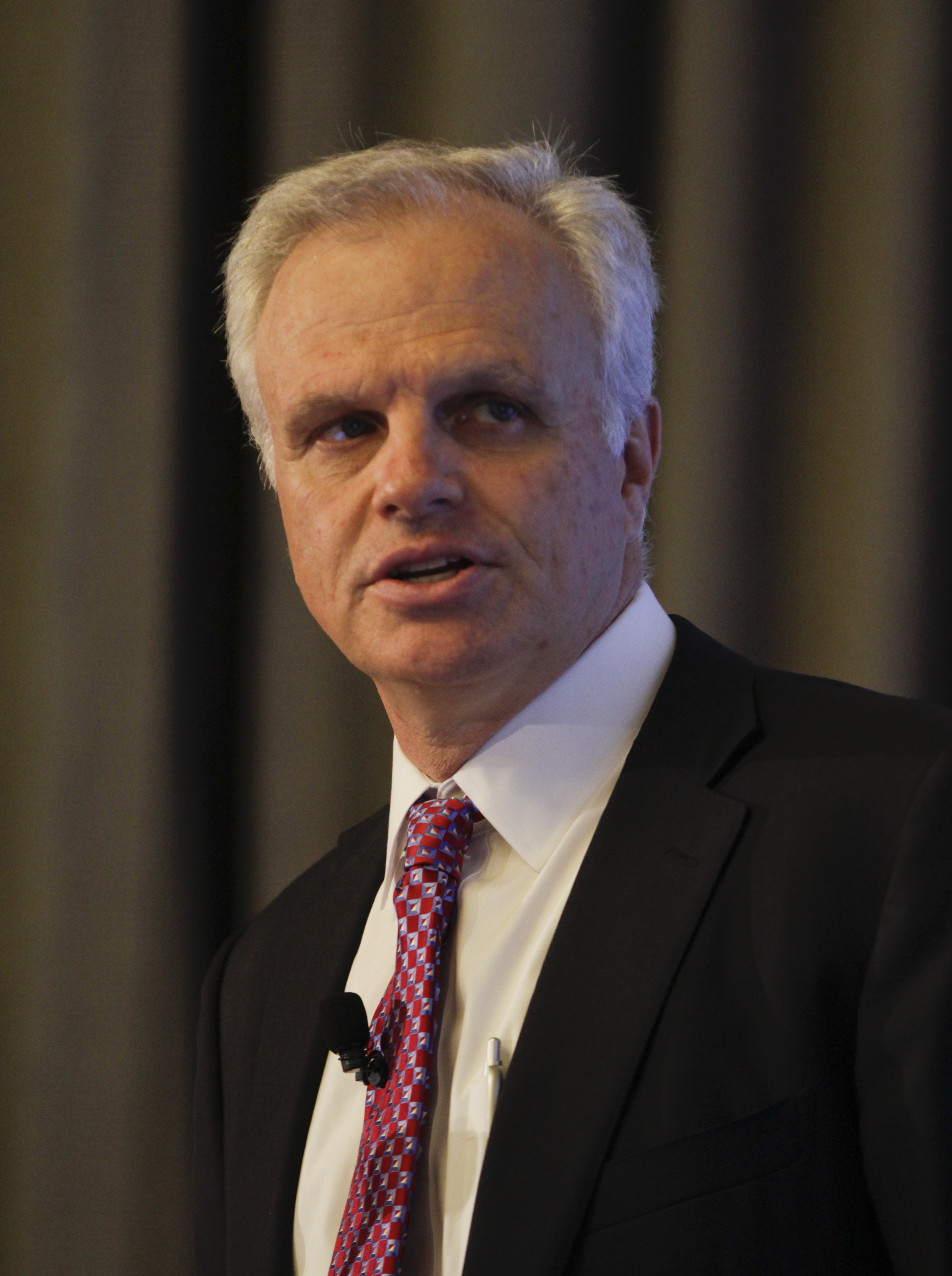
David Neeleman
David Neeleman is the founder and CEO of Breeze Airways, the U.S. airline he launched in 2021. A Brazilian-American entrepreneur, he previously founded JetBlue, Azul Brazilian Airlines, WestJet, and Morris Air, building a legacy of innovation across the aviation industry.
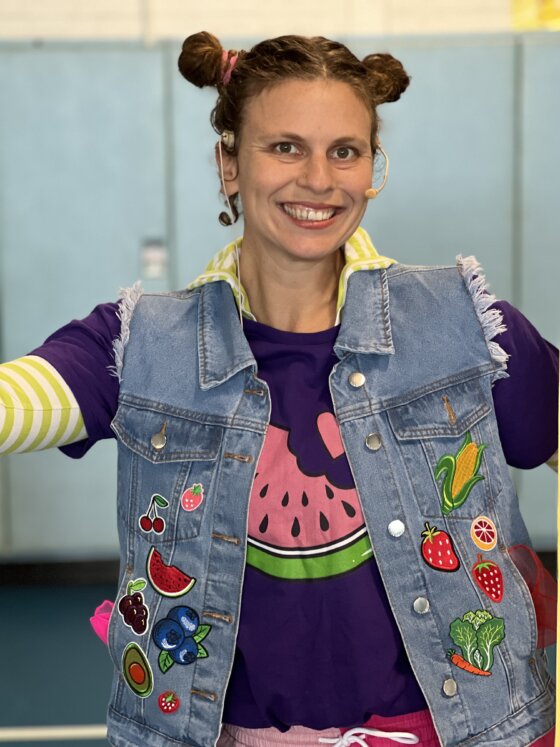
Barbara Storper
Barbara Storper, MS, RD, founded FoodPlay Productions in 1982. A national leader in children's nutrition education, she creates live theater shows and resources that make healthy eating fun for kids.
Jeff Piejak
Jeff Piejak is the founder and CEO of Ultimate Ninjas, a fitness franchise focused on obstacle course racing. He established the company in Chicago in 2016 and has since expanded across the United States.
Related Companies
jetblue
JetBlue is a major American low-cost airline founded in 1998 by David Neeleman. Known for low fares, customer service, and free in-flight amenities, it operates primarily along the US East Coast and to select Caribbean and Latin American destinations.
2 episodes
food play productions
FoodPlay Productions is an Emmy Award-winning nutrition education theater company founded by Barbara Storper in 1982. Based in Hatfield, Massachusetts, the company creates live theater shows, video kits, and hands-on resources that help children and families build healthier eating and physical activity habits through interactive, evidence-based programming.
1 episode
ultimate ninjas
Ultimate Ninjas is a ninja warrior-style obstacle course fitness and entertainment brand. It offers training facilities and events where participants navigate ninja-inspired courses and challenges.
1 episode