Advice Line with Serial Entrepreneur Mark Cuban
Mark Cuban cuts through startup noise with unfiltered advice for five founders facing real growth barriers.
Dan Janssen's Imperium Shaving needs to scale beyond niche without raising capital. Kristin Ruud's Northern Classics struggles to stand out in a crowded heritage market. Lucy Dana's One Trick Pony hit a content ceiling. Macy Schmitt's Girlyish Skincare faces fierce competition. Cuban delivers tactical, no-BS guidance on positioning, distribution, and brand storytelling.
This episode delivers a masterclass in honest feedback—exactly what early-stage founders need to hear.
Listen on Spotify
Episode Recap
Mark Cuban brings his trademark directness to this Advice Line, offering unvarnished feedback to five founders at inflection points.
Intro
Each caller gets ninety seconds to state their problem, then Cuban responds with immediate, practical guidance. No platitudes—just specific actions based on what he's learned building and selling companies.
Caller 1: Dan Janssen & Imperium Shaving
Dan's high-end razor subscription sits at $250K annually but resists scaling without outside capital. Cuban's take: you're thinking about the wrong metric. "It's not about revenue per customer—it's about lifetime value multiplied by referral rate." He suggests restructuring to a lower entry point product that feeds customers into the premium tier over time. The goal isn't to raise your prices further; it's to build a funnel that makes your existing prices feel like a steal.
Caller 2: Kristin Ruud & Northern Classics
Kristin's authentic heritage brand—crafted from Norwegian traditions—struggles to differentiate in a market saturated with "Scandinavian-inspired" competitors. Cuban identifies her failure to communicate provenance aggressively enough. "You have real history. Everyone else is pretending." His advice: lead with the generational story, the exact farm where wool is sourced, the specific village where her great-grandmother started the pattern designs. Authenticity only works if you weaponize it.
Caller 3: Lucy Dana & One Trick Pony
Lucy's content studio hit $500K then plateaued despite increased ad spend. Cuban doesn't mince words: "Your content is generic." He recommends niching down to serve one audience segment obsessively—"Pick the customers who already love you and give them everything." Instead of broad TikTok, focus on building a private community where members feel they're getting the unfiltered truth. When people feel like insiders, they market for you.
Caller 4: Macy Schmitt & Girlyish Skincare
Macy's clean skincare brand faces stiff competition from celebrity-backed lines and Amazon dominance. Cuban's strategy surprises her: "Stop selling skincare. Sell self-acceptance." He points out that Girlyish already has a community built around body positivity. The product line should reflect that ethos more boldly—potentially simplifying to fewer, more iconic items that signal belonging rather than efficacy. Cuban says great brands sell identity, not ingredients.
Caller 5: Dan Bastian & Andros
Dan's Greek yogurt company exploded during COVID but now battles inflation and supply chain volatility. Cuban delivers perhaps his sharpest critique: "You're a food company now, not a pandemic story." He advises Dan to strip the business down to its most defendable unit economics and rebuild margins through operational excellence—renegotiating contracts, optimizing logistics, and considering private label partnerships that stabilize cash flow.
Final Thought
What stands out across all five conversations is Cuban's insistence on brutal self-assessment. Scale isn't always the answer. Sometimes the right move is to get smaller, louder, or more focused. The founders who survive are the ones willing to hear that.
Key Takeaways
- 1Price architecture shapes customer psychology: Lower entry thresholds feed higher tiers naturally, creating value perception that premium pricing alone cannot achieve.
- 2Weaponize your authentic story: Real heritage is a moat—lead with it everywhere, down to specific locations and generational details that competitors cannot replicate.
- 3Niche down to amplify impact: Broad content reaches everyone but resonates with no one. Obsessively serving a specific segment creates evangelists who market for you.
- 4Sell identity, not product: People buy to become a certain type of person. Frame your brand as an invitation to join a tribe with shared values.
- 5Pivot from narrative to economics: When growth stalls, discard the story you've been telling yourself and rebuild from unit economics—then scale what actually works.
Founders Featured
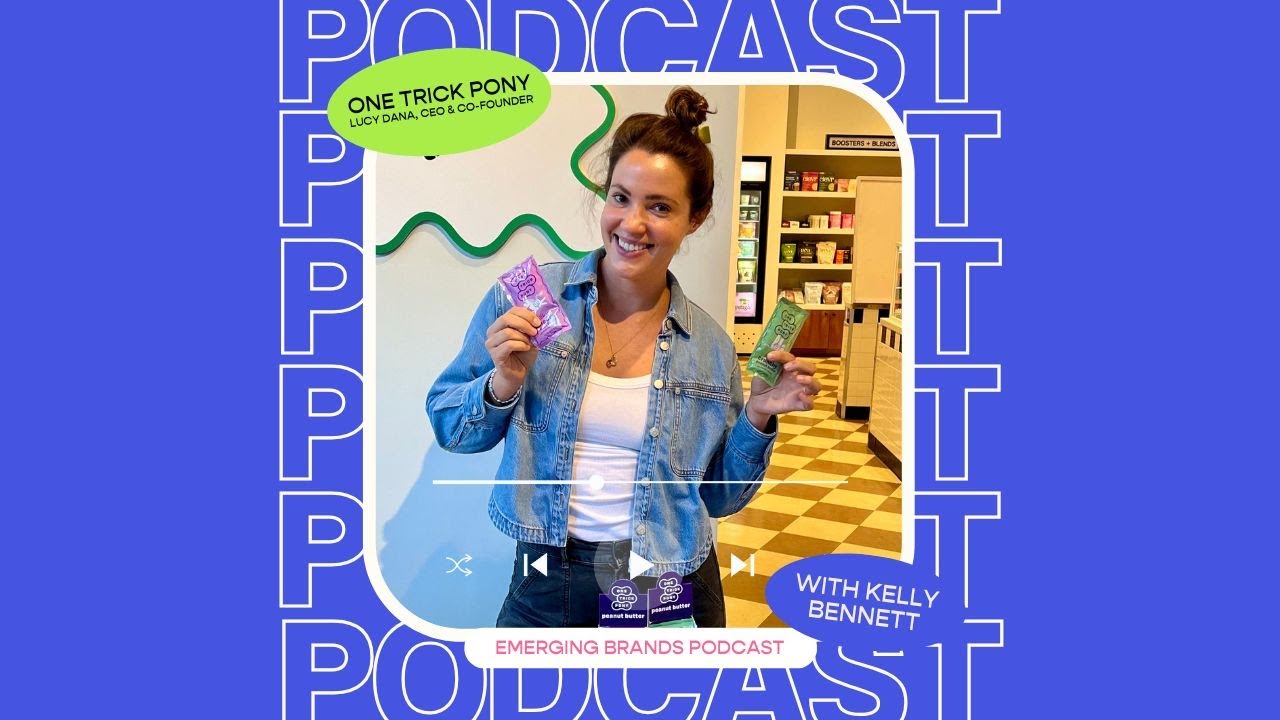
Lucy Dana
Lucy Dana is Co-Founder & CEO of One Trick Pony, a peanut butter brand inspired by a trip to Argentina. A former Chief of Staff at Blue Bottle Coffee, Lucy brings operations experience from Uber and her Duke education to building a better peanut butter.
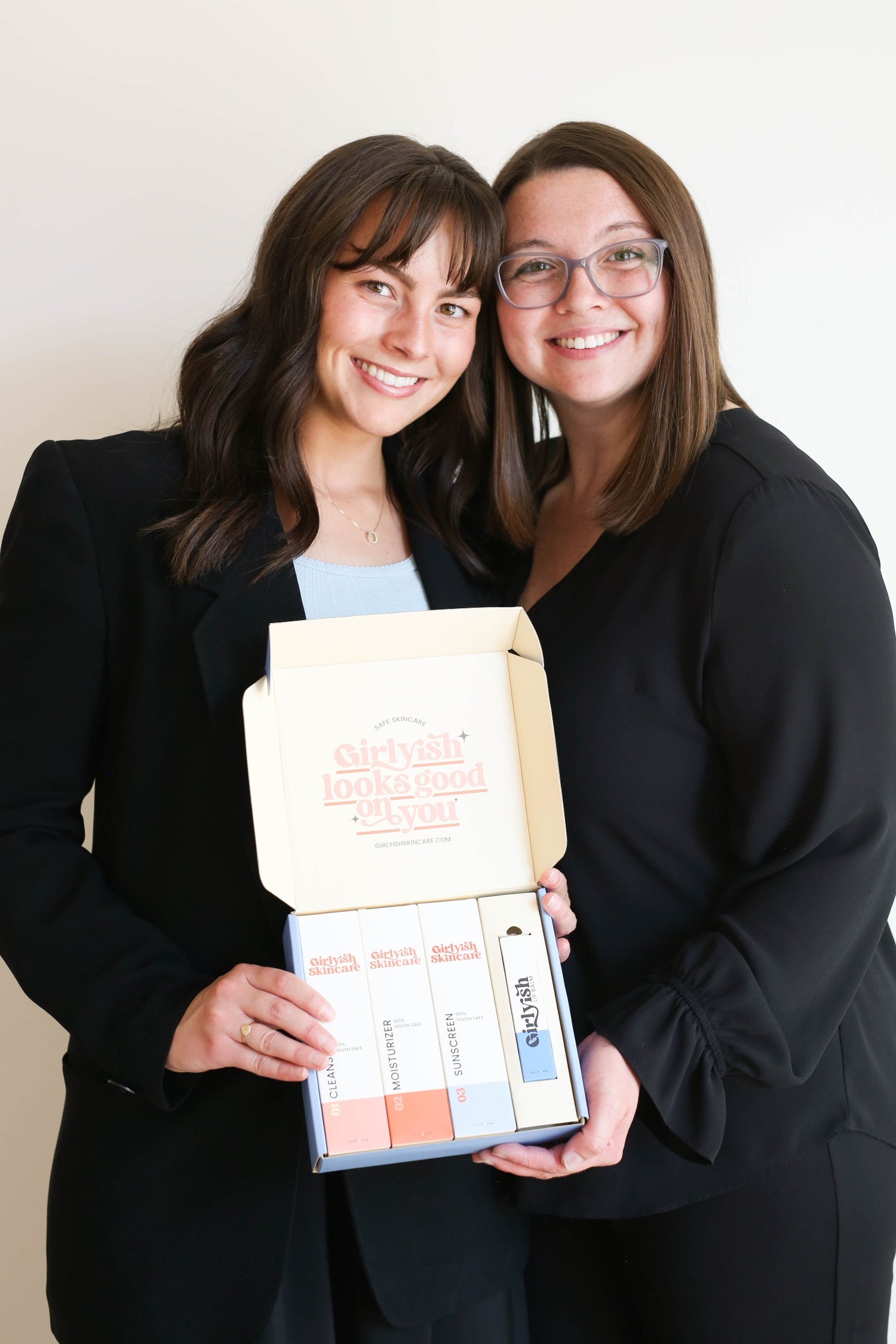
Macy Schmitt
Macy Schmitt is a journalist with BYU's Daily Universe covering the launch of Girlyish Skincare, a youth-safe skincare brand. She reports on how the brand develops its products and messaging.
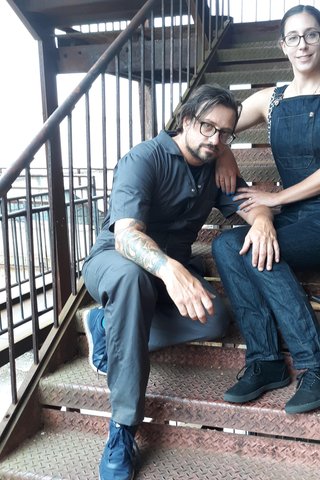
Dan Janssen
Dan Janssen founded Imperium Shaving, which creates handcrafted heirloom razors. With a visual arts degree from the University of Maryland, he started the business while working at a Baltimore nonprofit. Mark Cuban featured his work on How I Built This.

Kristin Ruud
Kristin Ruud is the founder and CEO of Northern Classics, an outdoor clothing brand launched in 2018 after she welcomed twins. Based in Grand Rapids, Michigan, she was recognized in Crain's 40 Under 40. Ruud holds an MBA from the University of Michigan Ross School of Business.
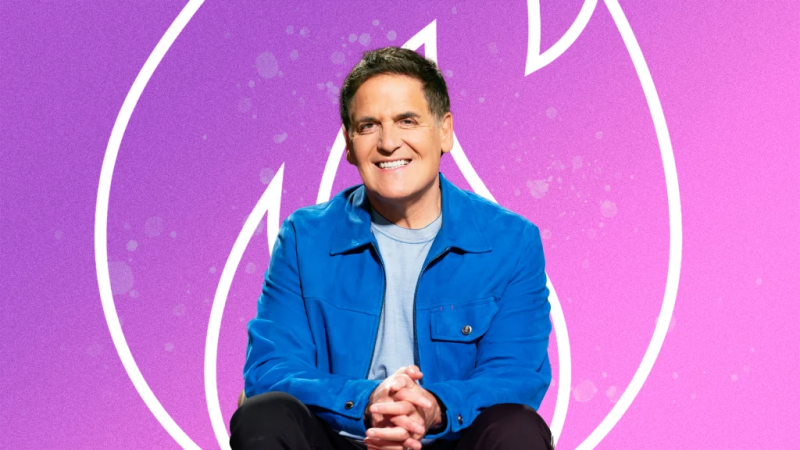
Mark Cuban
Mark Cuban founded Broadcast.com in 1995, pioneering online audio and video streaming. The company grew rapidly and was sold to Yahoo! for .7 billion in 1999. Cuban's journey from bartender to billionaire entrepreneur became an internet-era success story.
Related Companies
One Trick Pony
One Trick Pony makes two-ingredient peanut butter using only organic peanuts and salt. The company's upside-down jar design prevents oil separation. Founded in 2022 and based in Washington, DC, One Trick Pony is redefining the peanut butter aisle with its simple ingredients and innovative packaging.
1 episode

Girlyish Skincare
Girlyish Skincare creates clean, youth-safe skincare for tween and teen girls. Based in Provo, Utah, the brand offers a simple three step routine with cleanser, moisturizer, and mineral sunscreen that is gentle on developing skin and free of hormone disruptors.
1 episode

Imperium Shaving
Imperium Shaving is a luxury grooming brand specializing in ... Website: https://www.imperiumshaving.com/; Instagram: @imperiumshaving
1 episode
Northern Classics
Northern Classics is a premium childrens outerwear brand founded in 2018 by mom Kristin Ruud. It combines high-performance skiwear tech with timeless style, offering winter coats, puffers, and snowsuits for kids and women. Sold at retailers like Bloomingdales and Maisonette.
1 episode

broadcast.com
Broadcast.com was a streaming media company that enabled users to broadcast audio and video over the internet. Founded by Mark Cuban and Todd Wagner in 1995, the company pioneered internet broadcasting technology and went public before being acquired by Yahoo for .7 billion in 1999.
1 episode