Advice Line with Mei Xu of Chesapeake Bay Candle and Blueme
Guy Raz brings Mei Xu back to the Advice Line, this time to take calls rather than pitch. The Chesapeake Bay Candle founder and former diplomat answers questions from three founders who have already built real businesses but hit walls at the next level. Sasha Millstein needs an operator for her frozen pot pie company, Tara Parkinson is weighing D2C against wholesale for her towel-dress brand, and Lindsay Gallas wants to crack school district sales with her math curriculum platform.
Listen on Spotify
Episode Recap
Intro
Guy Raz brings Mei Xu back to the Advice Line, this time to take calls rather than pitch. The Chesapeake Bay Candle founder and former diplomat answers questions from three founders who have built real businesses but hit walls at the next level. Sasha Millstein needs an operator for her frozen pot pie company, Tara Parkinson is weighing D2C against wholesale for her towel-dress brand, and Lindsay Gallas wants to crack school district sales with her math curriculum platform.
Caller 1: Sasha Millstein & Aunt Ethel's Pot Pies
Sasha launched into over 100 Wegmans locations and sold out of 8,000 units in six minutes on QVC. She wants a co-founder to close the operational gap, but Mei and Guy push back on the premise immediately. Mei, who ran Chesapeake Bay Candle with her then-husband, warns that partnering through marriage nearly broke both the business and the relationship. The better path is a senior operator — a COO or operations lead with equity, not equal partnership. That person brings manufacturing expertise without demanding a shared vision. Mei also suggests tapping Sasha's investor network to recruit talent rather than searching on matchmaking platforms.
Caller 2: Tara Parkinson & Dry Dolly
Tara's towel-dress has split its audience: in the UK, customers treat it as a holiday cover-up, while in Dubai it is a year-round functional garment. She wants to know whether to focus on D2C or chase wholesale. Mei's answer is that 2025 does not reward single-channel thinking — customers live across social, retail, hotels, and direct channels at the same time. Her specific advice: hit trade shows in the UK and Arab markets to find wholesale partners, protect the design with a patent, and test QVC UK since demonstrable products perform well on live TV. The hotel angle deserves attention too — resort properties could brand Dry Dolly for guests to take home.
Caller 3: Lindsay Gallas & Math Medic
Math Medic serves 100,000 teachers with free lesson plans and generates $2.1 million from supplemental subscriptions. The business is profitable and lean, run by seven people. The constraint is structural: school districts buy textbooks through an RFP process built for physical books, and Math Medic replaces the textbook rather than fitting that category. That mismatch makes district sales nearly impossible. Mei suggests looking at private schools and progressive public districts, and raises advertising on the platform itself as an option — the 100,000-teacher audience draws interest from companies selling to schools.
Final Thought
Each caller has succeeded at building a product and finding traction, but scaling demands a different kind of thinking. Sasha needs to stop hunting for a co-founder and start identifying the specific operator skills she is missing. Tara needs to stop choosing one channel and think about where her customers already live. Lindsay needs to stop trying to fit a digital product into a textbook sales system and find the buyers who are ready to change.
Key Takeaways
- 1Protect your product before you scale it: Patent or trademark early, because once you start gaining traction, copying becomes the fastest risk you will face.
- 2Hire the operator, not hunt for a co-founder: When you need manufacturing or scaling expertise, a senior hire with equity beats an equal partner whose vision may not match yours.
- 3Meet customers where they already shop: Modern buyers split attention across social, retail, and direct channels simultaneously — betting on a single channel leaves revenue on the table.
- 4Build solutions to problems you lived through: The best product ideas often come from solving your own frustration, and that intimate understanding of the pain point is hard for competitors to replicate.
- 5Work around systems built for a different era: When institutional purchasing processes do not match your product model, look for the buyers who are actively seeking alternatives rather than trying to educate the incumbents.
Founders Featured
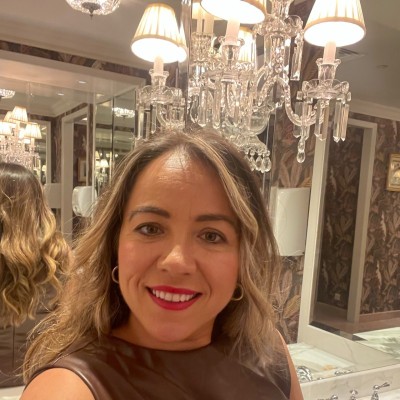
Tara Parkinson
Tara Parkinson is the Co-Founder of Dry Dolly, a UK-based brand making stylish, functional towel dresses for hotels, spas, and cruise lines. She launched the company in 2023 with sister-in-law Rachael Alpha after spotting a gap in the post-shower apparel market.
1 episode
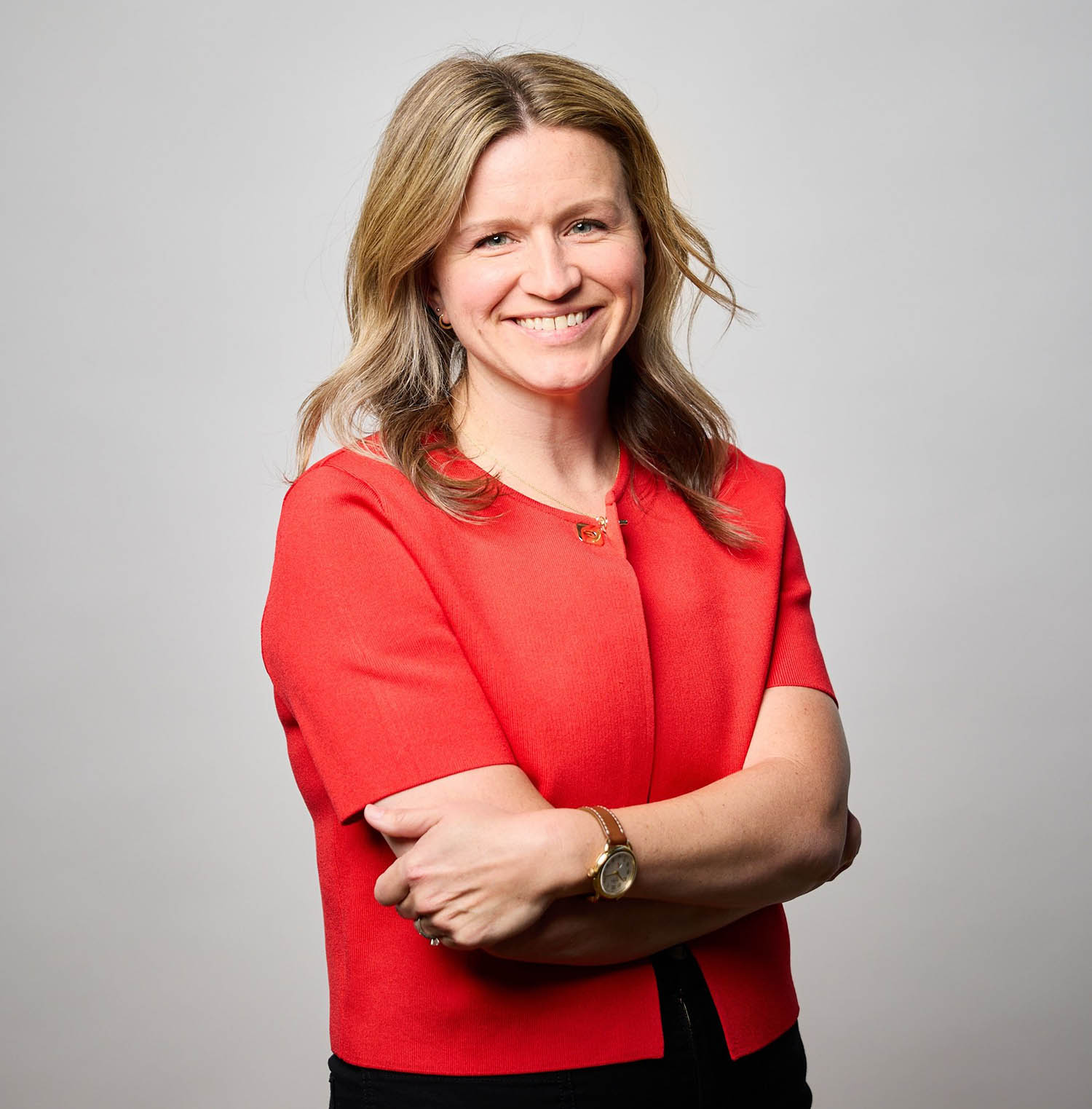
Lindsey Gallas
Lindsey Gallas is the Co-Founder of Math Medic, a company providing free, student-centered lesson plans and curriculum for high school math teachers. A former high school math teacher from Grand Rapids, Michigan, she co-founded Stats Medic in 2015 with Luke Wilcox.
1 episode
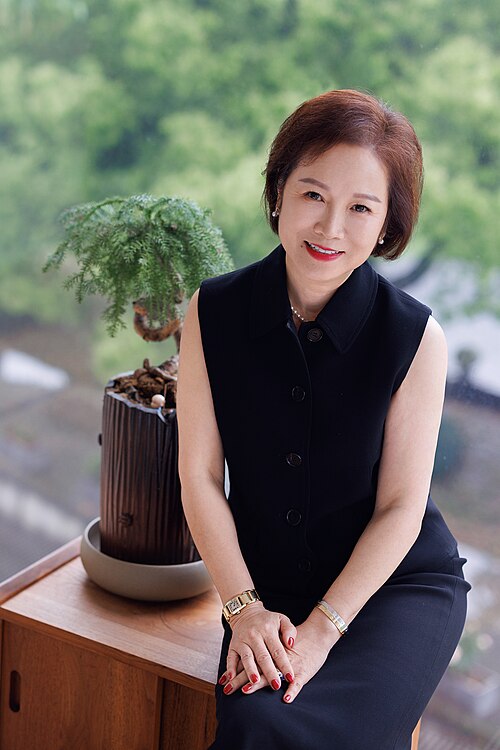
Mei Xu
Mei Xu is a Chinese-American entrepreneur who founded Chesapeake Bay Candle and launched Blueme, a sustainable fragrance brand. After Newell Brands acquired Chesapeake Bay Candle for $75 million in 2017, she now leads YesSheMay.com, a community platform for women entrepreneurs.
2 episodes
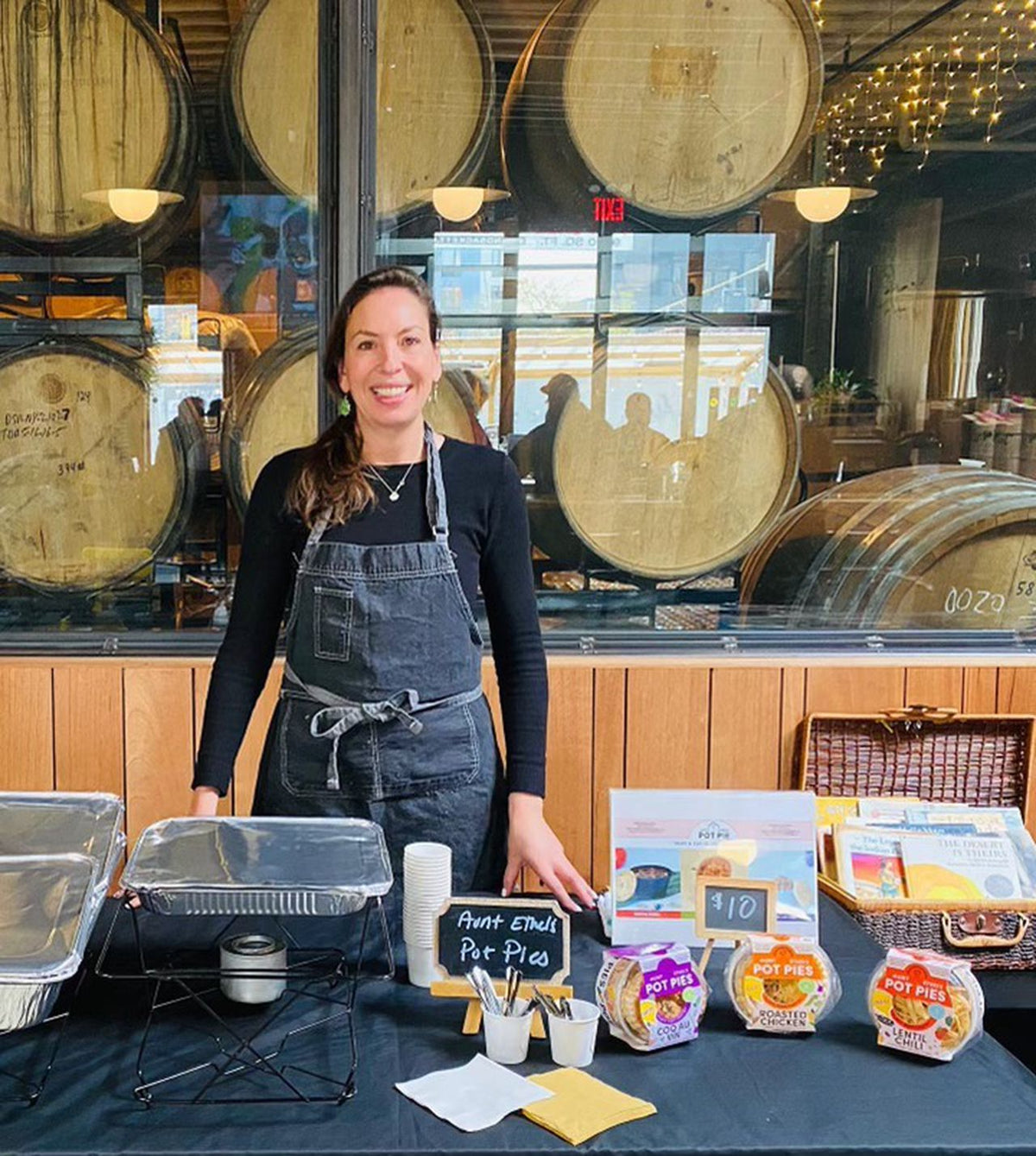
Sasha Millstein
Sasha Millstein is the founder and CEO of Aunt Ethel's Pot Pies, a Brooklyn-based frozen food company reinventing comfort food with nutritious, flaky-crust pot pies inspired by her aunt's 35 years of secret recipes.
1 episode
Related Companies

Math Medic
Math Medic is an education platform built by teachers for students. It offers free, student-centered lesson plans and assessment tools covering core high school math subjects and has grown to reach over 100,000 teachers nationwide.
1 episode
Dry Dolly
Dry Dolly is a women's apparel brand making luxury quick-dry towel dresses and robes. Founded by sisters Tara Parkinson and Rachael Alpha with headquarters in Dubai and Winchester, UK, it is direct-to-consumer.
1 episode

Chesapeake Bay Candle and Blueme
Chesapeake Bay Candle is a home fragrance company founded in 1994 by Mei Xu and David Wang in Annapolis, Maryland. Known for minimalist candle designs and nature-inspired scents, the brand promotes mindfulness and harmony through fragrance.
2 episodes
Aunt Ethel's Pot Pies
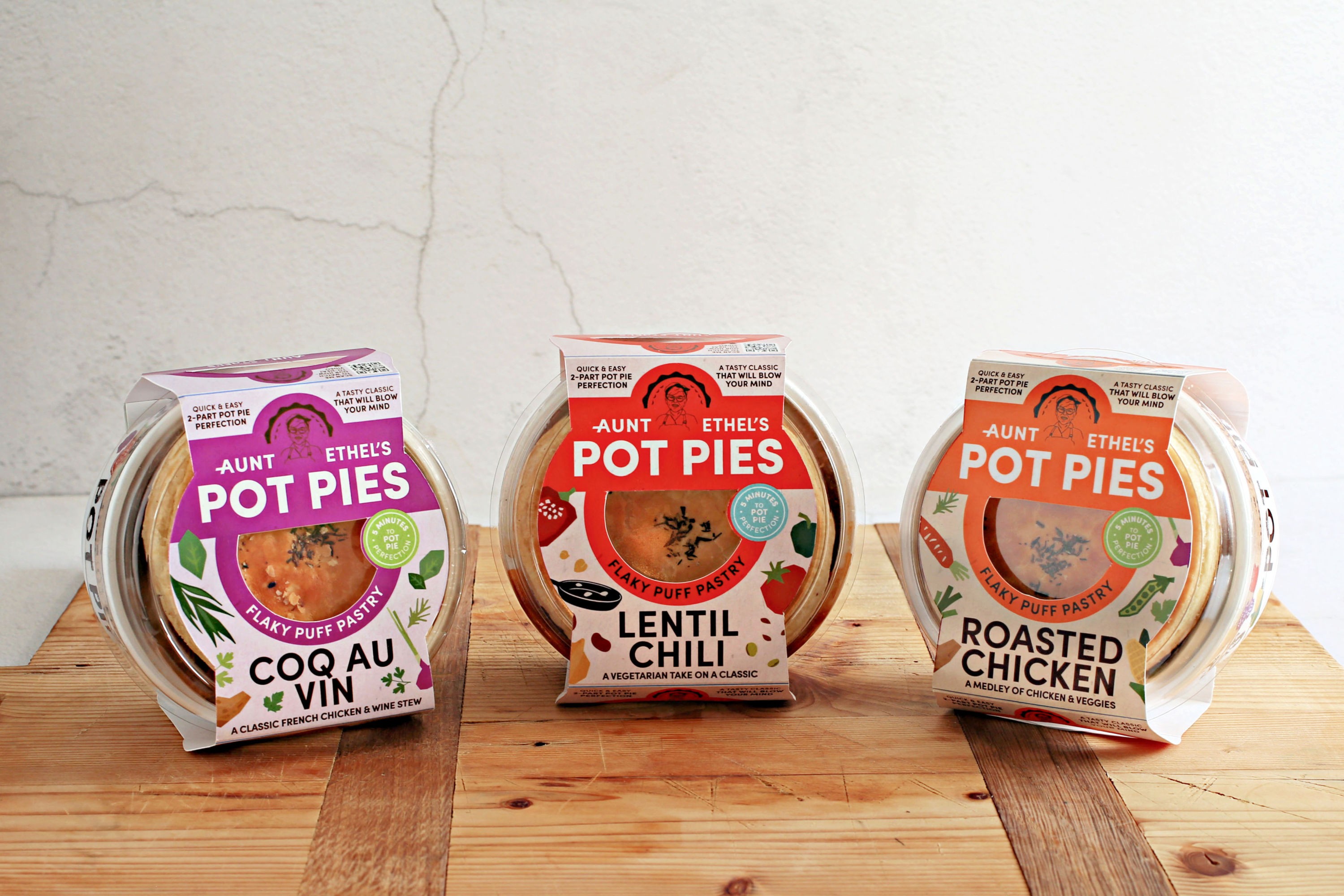
Aunt Ethel's Pot Pies makes gourmet frozen pot pies with a flaky, buttery croissant-style crust and real ingredients. Ready in 5 minutes.
1 episode