Advice Line with Niraj Shah of Wayfair
Guy Raz sits down with Niraj Shah, co-founder of Wayfair, for an Advice Line episode where Niraj helps three early-stage founders navigate real business challenges. Valerie Zweig needs to educate retailers about her dehydrated chicken stock sticks. Bree Van Leeuwen struggles with customer acquisition costs for her mineral sunscreen brand. And Tess Milholland wonders when to quit her day job and go all-in on her travel app for solo women. Niraj shares hard-earned wisdom from building a home goods empire.
Listen on Spotify
Episode Recap
Intro
Guy Raz welcomes Wayfair co-founder Niraj Shah to the Advice Line, where Niraj fields questions from three early-stage entrepreneurs. Valerie Zweig calls in about her dehydrated chicken stock sticks, which retailers keep misidentifying as a protein beverage. Bree Van Leeuwen shares her struggle to scale Daily Shade sunscreen without burning through cash on paid social. And Tess Milholland asks when she should quit her software sales job to focus on HerHouse, her networking app for solo women travelers.
Caller 1: Valerie Zweig & CookStix
Valerie's chicken stock sticks launched at Whole Foods and Amazon in late June, but shoppers and retailers keep missing the point. "Is it a protein beverage?" they ask. Niraj's first instinct is literal: put "add 16 ounces of water and your chicken stock's ready" on the front. He points out that novelty demands obvious instructions, not clever taglines. Valerie admits their current slogan, "think outside the stock box," might be too cute for its own good. Niraj also suggests social media demos showing exactly how the sticks replace a carton of broth.
Caller 2: Bree Van Leeuwen & Daily Shade
Bree developed a mineral sunscreen that disappears on kids' skin after four years of formulation, but customer acquisition costs are strangling growth. She quit her physician assistant professor job at Utah Valley University in January and hired a community manager in the Philippines to free up her time. Niraj cautions against rushing to raise money or quit the day job too soon. He suggests exploring convertible notes for a small friends-and-family round, or revenue-based financing through Clearco or Shopify. He also recommends cold-emailing regional Whole Foods buyers directly, since those buyers actively scout local products.
Caller 3: Tess Milholland & HerHouse
Tess built HerHouse into a community of 150 members across 20 countries while working full-time in software sales, but she is stretched thin as a mom and wife. She wonders whether an income threshold exists that signals it is time to go all-in. Niraj says no universal number exists. Instead, he asks her to separate two questions: whether she has enough conviction that HerHouse deserves full-time effort, and whether she can financially bridge the gap without reckless risk. He recommends a halftime or flexible role if her employer allows it, and hiring part-time help to test leverage before quitting.
Final Thought
Niraj's advice across all three calls comes back to the same principle: stay deliberate. Whether it is literal packaging, keeping a steady income while testing growth, or breaking a scary decision into two smaller questions, the founders who avoid recklessness tend to last longer. He reminds listeners that Wayfair bootstrapped for ten years by drop-shipping before raising money, and that sometimes the best move is simply the next small step.
Key Takeaways
- 1Be literal with novel products: Clear on-package instructions help consumers understand new formats faster than clever branding.
- 2Keep your day job as long as possible: Wait until you have a clear use for the money before raising equity or quitting.
- 3Break big decisions into two questions: Separate conviction from financial risk to avoid reckless moves.
- 4Start with local buyers before national chains: Regional buyers at Whole Foods and similar chains actively scout innovative local products.
- 5Test leverage with part-time help: Hiring for specific tasks can reveal whether a business needs full-time attention before you quit your job.
Founders Featured
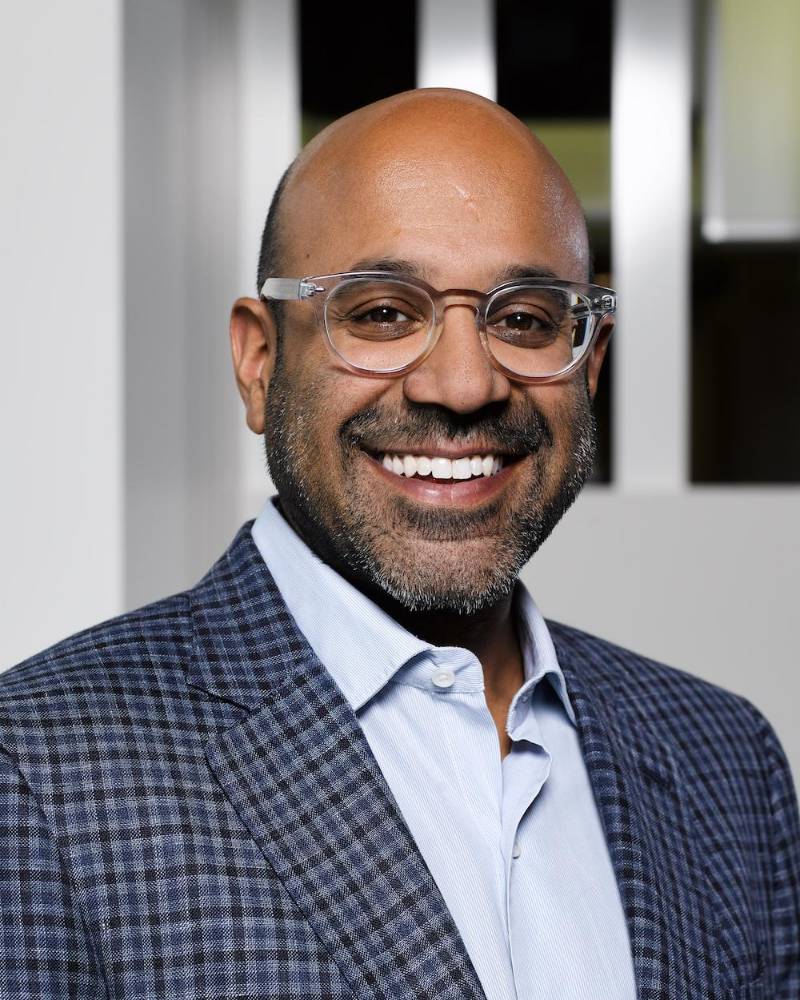
Niraj Shah
Niraj Shah is the co-founder, co-chairman, and CEO of Wayfair, the leading online retailer for home goods and furnishings. He launched the company in 2002 with Steve Conine, building it into a dominant e-commerce force by combining technology with a customer-first retail mindset.
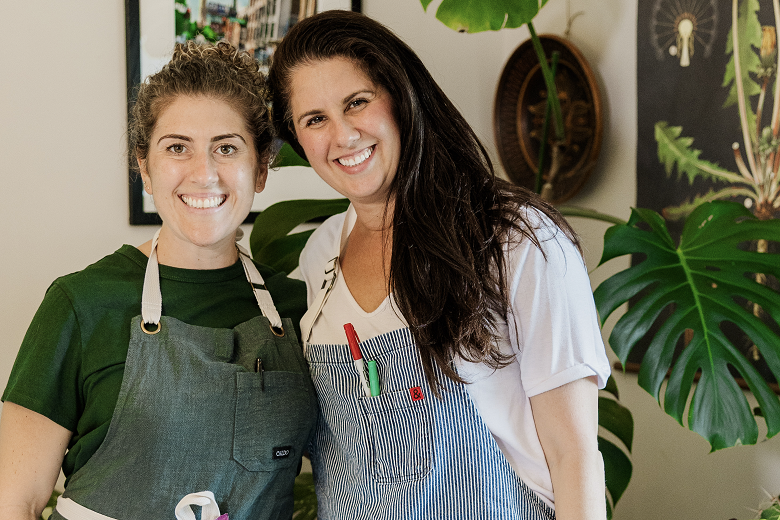
Valerie Zweig
Valerie Zweig is a chicken soup entrepreneur who co-founded Cookstix, Prescription Chicken, and Chix Soup Co. Based in Washington, DC, she turned a search for soup during illness into a thriving food business, creating instant chicken stock powders with bold flavors.

Breelyn Vanleeuwen
Breelyn Vanleeuwen, a physician assistant and mom of four, founded Daily Shade Sunscreen after 15 years in medicine. She spent four years developing a 100% non-nano zinc oxide formula that's reef-safe and ghost-face free.

Tess Milholland
Tess Milholland founded HerHouse to create safe, free accommodations for solo women travelers after her own backpacking journey revealed the risks. A published author of Sherbet Skies, she lives near San Antonio with her family.
Related Companies
Wayfair
Wayfair is a leading American e-commerce company that sells furniture and home goods online. Founded in 2002, the Boston-based retailer offers 14 million items from over 11,000 global suppliers with operations across North America and Europe.
1 episode

CookStix
CookStix reinvents chicken stock with dehydrated, powdered broth in convenient stick packets. The company delivers slow-simmered, clean-label flavor without the bulk, waste, or hours of traditional stock-making, just real ingredients for instant, impactful dishes.
1 episode
Daily Shade
Daily Shade Kids' Daily Mineral Sunscreen SPF 30 - 3 oz. Daily Shade Kids' Daily Mineral Sunscreen SPF 30 - 3 oz. Babe Shade Mineral Sunscreen Kit with Shade Brush - Daily Duo. Babe Shade Mineral Sunscreen Kit with Shade Brush - Daily Duo. Daily Shad
1 episode
HerHouse
HerHouse is a travel community where background-checked solo women travelers host each other for free, creating safe, affordable stays and a supportive global network.
1 episode