Advice Line with Eric Ryan of Method
Eric Ryan, co-founder of Method and serial entrepreneur behind brands including Welly and Tandy, joins Guy Raz on the Advice Line to help three early-stage founders navigate real business challenges. Aubrey in Franklin, Tennessee seeks mentorship to scale her growing bakery and restaurant group. Maggie from Chicago weighs whether raising outside capital is the right move for her innovative luggage brand, Props Luggage. And Matt in Scottsdale, Arizona looks for a path to get his convertible glove company, FlipMitts, onto retail shelves. Eric shares lessons drawn from decades of building and scaling consumer brands.
Listen on Spotify
Episode Recap
Intro
Eric Ryan co-founded Method in 2001 and has since built Welly and Tandy, a functional candy brand on Target shelves. His approach is consistent: find a gap in consumer products, build something that works better, and let the brand grow from real demand. On this Advice Line, he applies that instinct to three early-stage founders at very different moments.
Caller 1: Aubrey O'Laskey & Transparent Hospitality
Aubrey calls from Franklin, Tennessee, where she and her husband run a five-location bakery and restaurant group that recently relocated from Reno. She is trying to expand Perenn Bakery and its sister concepts while parenting four kids, and she wants to know how to find a mentor who can actually help rather than offer generic advice.
Eric tells her to look locally at food-industry operators who have scaled past the single-location phase. A good mentor is a few steps ahead, not decades, because the problems at each stage change fast. He cautions against paying for mentorship upfront, arguing that the best advisors invest time because they want to help, not sell access. For Aubrey, the practical move is to identify two or three operators whose growth she admires and approach them with specific, well-prepared questions.
Caller 2: Maggie Gerth & Props Luggage
Maggie invented a carry-on suitcase with a built-in leg system that doubles as a luggage rack, and demand for the PROPS Carry-On is growing. Her question is whether to raise outside capital or keep bootstrapping.
Eric refuses to give a simple answer. Instead, he asks her to name the one bottleneck that capital would actually solve. If it is manufacturing capacity or retail distribution, investment makes sense. If it is marketing reach or confidence, patience may be the better lever. Method stayed deliberately lean in its early years, and Eric credits that restraint with giving the brand time to build real consumer loyalty rather than a retail footprint built on borrowed money. Maggie's real question, he suggests, is not whether to raise but what she would do with the money and whether that outcome is worth the equity given up.
Caller 3: Matt Angorn & FlipMitts
Matt's challenge is the reverse of Maggie's. He already has a product people love - the FlipMitts 3-in-1 glove that converts between mittens, fingerless gloves, and sweatbands - but retail distribution has proven harder than product development. He wants to know how to approach buyers and whether a distributor is worth the margin hit.
Eric starts with story. Retail buyers buy a narrative as much as a SKU, and FlipMitts has a strong one: a founder who designed the product out of personal frustration during Arizona trail runs. He tells Matt to begin in specialty outdoor and running stores, where the product fits naturally, and document real sell-through before approaching big-box chains that will demand volume and consistency. The big-box doors open faster with a track record than with a compelling pitch.
Final Thought
All three conversations come back to the same idea: entrepreneurship is a series of decisions about speed, and most of them are harder than they look from the outside. Aubrey needs to pace her expansion so the business does not outrun her capacity to lead it. Maggie needs to be honest about what capital would actually unlock before giving away equity. And Matt needs to let the product prove itself in the right channels before sprinting into retail. Eric's parting message is that time is the scarcest resource founders have, and building strong foundations before expanding is not slow - it is the fastest way to build something that lasts.
Key Takeaways
- 1Find mentors one step ahead, not decades: The most useful mentors have already solved the specific problem you are facing now, not the one you hope to have in ten years.
- 2Define the capital problem before raising money: Outside investment only helps if you can name the one operational bottleneck it will remove — otherwise bootstrapping keeps options open.
- 3Let retail come to you: Build a sell-through story in specialty stores first; large chains respond to proven demand, not interesting products.
- 4Pacing is the real strategy: Most early-stage problems come down to timing, and the founders who last are the ones who treat time as their scarcest resource.
More from Eric Ryan, Aubrey O'Laskey, Maggie Gerth, Matt Angorn
Founders Featured

Eric Ryan
Eric Ryan co-founded Method, the eco-friendly cleaning products company, with Adam Lowry in 2001. The San Francisco-based brand revolutionized sustainable home care with design-forward products.
Aubrey O'Laskey
Chef and co-owner of Transparent Hospitality, the group behind Perenn Bakery, Claio Rotisserie, and Perenn Grocery.
Maggie Gerth
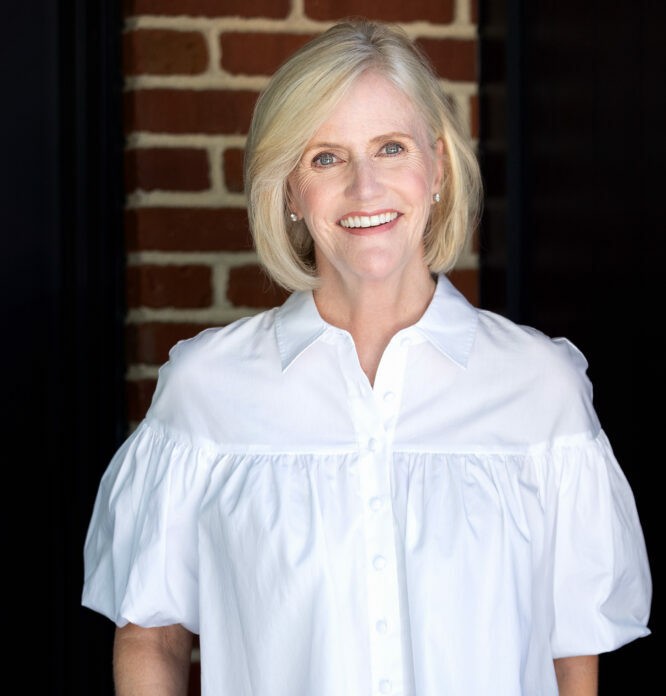
Founder of Props Luggage, a carry-on suitcase brand with a patented built-in leg system that transforms into a luggage rack or desk.

Matt Angorn
Founder of FlipMitts, a 3-in-1 convertible glove brand for runners and outdoor athletes. Built through direct-to-consumer channels including Amazon and QVC.
Related Companies
Method
Method creates naturally derived, biodegradable cleaning and personal care products that challenge conventional notions of clean. The company's plant-based formulas put the hurt on dirt without harming people or the planet.
2 episodes
Transparent Hospitality
Parent company of Perenn Bakery, Claio Rotisserie, and Perenn Grocery. A family-owned hospitality group that brings craft and artisanship to Reno, Nevada and Nashville, Tennessee.
1 episode

Props Luggage
Props Luggage is a travel innovation brand founded by Maggie Gerth, featuring a patent-pending leg system that transforms the PROPS carry-on into a luggage rack or compact workspace for busy travelers.
1 episode
Flipmits
Flipmits designs 3-in-1 convertible handwear for runners, hikers, and outdoor athletes, transforming gloves into mittens or sweatbands with a simple flip. Founded by Matt Angorn in Scottsdale, Arizona.
1 episode